Right then, let’s talk about Sunday roasts. Not just any Sunday roast, mind you, but finding that absolute cracker of a joint that’ll have everyone asking for seconds. As a UK-based Foodie and content specialist, I’ve spent enough time researching what people are searching for in terms of quality meat to know that getting the right cut is paramount. Forget the flimsy, watery stuff you sometimes find in the supermarket – we’re aiming for proper, old-school flavour and tenderness here.
This isn’t about snobbery; it’s about good value and good eating. A Sunday roast is more than just a meal; it’s a tradition, a coming together, and frankly, a bit of a culinary institution in Britain. And at the heart of it all? The meat.
So, let’s dive into what makes a great roast joint, with some solid advice from behind the butcher’s block (metaphorically speaking, of course).
When you walk into a butcher’s shop, or even browse online, you’ll be faced with a few key contenders for your Sunday centrepiece. Each has its own characteristics in terms of flavour, texture, cooking time, and price. Knowing these differences is the first step to making an informed choice.
Beef Roasts: The Classic Contender
Beef is, for many, the undisputed king of the Sunday roast. Its rich, deep flavour and ability to cook to various levels of doneness make it incredibly versatile.
Topside
This is a lean cut from the hindquarter, often a popular choice due to its relatively lower price point and consistent texture.
- Characteristics: Lean, fine grain, can be prone to drying out if overcooked.
- Best For: Those who prefer a leaner roast, good for slicing thinly.
- Butcher’s Tip: Ask for it to be traditionally tied to help it keep its shape and cook evenly. Cook to medium-rare for optimum tenderness.
Silverside
Another cut from the hindquarter, silverside is slightly coarser in grain than topside and often a little tougher. It’s a favourite for salting and slow cooking, but can still make a decent roast.
- Characteristics: Lean, tougher than topside, needs careful cooking.
- Best For: Pot roasts, slow cooking, or if you prefer a well-done meat with plenty of gravy.
- Butcher’s Tip: This cut benefits from lower, slower cooking. Some butchers might recommend larding (inserting fat) to keep it moist.
Sirloin
Moving up the scale in tenderness and price, sirloin is a premium cut from the back of the animal. It has a good balance of meat and fat, which contributes to its flavour and moisture.
- Characteristics: Tender, good marbling, excellent flavour.
- Best For: A show-stopping roast, when you want guaranteed tenderness and flavour.
- Butcher’s Tip: Bone-in sirloin often yields more flavour due to the marrow, but boneless is easier to carve.
Rib of Beef (Fore Rib)
The ultimate beef roast for many, the fore rib is taken from the upper part of the animal’s rib cage. It’s heavily marbled with fat, making it incredibly tender and flavourful. It’s also visually impressive.
- Characteristics: Excellent marbling, very tender, rich flavour, can be costly.
- Best For: Special occasions, when flavour and tenderness are the absolute priority.
- Butcher’s Tip: Leaving it on the bone adds significant flavour; ensure your butcher chimes the bones (partially cuts them) for easier carving.
Lamb Roasts: A Flavourful Alternative
Lamb offers a distinct, often more aromatic flavour profile than beef, making it a fantastic choice for a celebratory roast.
Leg of Lamb
A very popular choice, the leg of lamb is a substantial cut that can feed a crowd. It’s lean but still has enough fat to keep it moist.
- Characteristics: Lean, distinct lamb flavour, versatile.
- Best For: Larger gatherings, or if you enjoy the classic lamb roast.
- Butcher’s Tip: Ask for it to be deboned and butterflied if you want to stuff it, or left on the bone for maximum flavour. Stud it with garlic and rosemary for a traditional touch.
Shoulder of Lamb
Often cheaper than a leg, lamb shoulder is fattier and contains more connective tissue, meaning it benefits from slower cooking.
- Characteristics: Fattier, incredibly tender when slow cooked, rich flavour.
- Best For: Slow roasts, pulling into shreds, those who love deeply flavoured meat.
- Butcher’s Tip: The shoulder is fantastic boneless and rolled, or cooked on the bone for extra flavour development.
Pork Roasts: Crispy Crackling Dreams
Pork is a wonderfully versatile meat for a roast, offering succulent flesh and, of course, that irresistible crispy crackling.
Loin of Pork
A leaner cut, often sold boneless and rolled or as chops. It can be quite tender if not overcooked.
- Characteristics: Lean, mild flavour, good source of crackling if skin is left on.
- Best For: A leaner pork roast, when you want excellent crackling.
- Butcher’s Tip: Score the skin well for optimal crackling. Rub generously with salt before roasting.
Pork Shoulder (Boston Butt / Shoulder Joint)
Like lamb shoulder, pork shoulder is a fattier cut that thrives with slow cooking, resulting in incredibly tender, pull-apart meat.
- Characteristics: Fatty, very tender when slow cooked, rich flavour.
- Best For: Pulled pork, or a succulent, fall-apart roast.
- Butcher’s Tip: Ensure the skin is scored deeply through the fat, but not into the meat, for the best crackling.
Chicken & Others: Beyond the Big Three
While beef, lamb, and pork dominate, don’t overlook other excellent options. A good quality free-range chicken, for example, makes a superb Sunday lunch. Game birds in season (such as pheasant or grouse) can also be wonderful, though they require more specific cooking methods.
The Importance of Sourcing and Quality
This is where the magic truly begins. You can have the best recipe in the world, but if your raw ingredients aren’t up to scratch, you’ll be fighting an uphill battle.
Why Your Butcher is Your Best Friend
Forget the pre-packed stuff you often find in supermarkets. A good, independent butcher is an absolute goldmine of knowledge and quality produce. They’re not just selling meat; they’re providing a service and expertise honed over years.
Local and Reputable Butchers
- Knowledge: They’ll know precisely where their meat comes from, the breed, and how it’s been reared. They can guide you through the cuts and offer cooking advice tailor-made for your purchase.
- Quality Control: They often source from smaller, local farms, focusing on ethical rearing and high animal welfare standards, which directly impacts the flavour and texture of the meat. You’re typically getting better marbling, less injected water, and more flavour.
- Custom Cuts: Need a specific weight or cut? A butcher can prepare it for you. This is an invaluable service that supermarkets rarely offer.
- Waste Reduction: Buying from a butcher can mean less food miles and a more sustainable approach to meat consumption.
Understanding Meat Grades and Marbling
While the UK doesn’t have a formal grading system quite like the US (USDA Prime, Choice, Select), quality is still paramount.
Marbling
This refers to the flecks of intramuscular fat within the lean meat.
- Why it matters: Marbling melts during cooking, basting the meat from within, adding moisture, flavour, and tenderness. Higher marbling generally means a more succulent and flavourful roast.
- What to look for: Small, evenly distributed flecks of white fat throughout the muscle. Avoid large, isolated chunks of fat unless it’s a cut known for rendering well (like pork belly).
Colour and Texture
- Beef: Should be a rich, cherry red colour. Avoid meat that looks grey or brownish. The texture should be firm but not stiff.
- Lamb: A deep pinkish-red colour. Again, firm to the touch.
- Pork: A pale rose colour. The fat should be white and firm.
Considering Your Budget and Guest Count
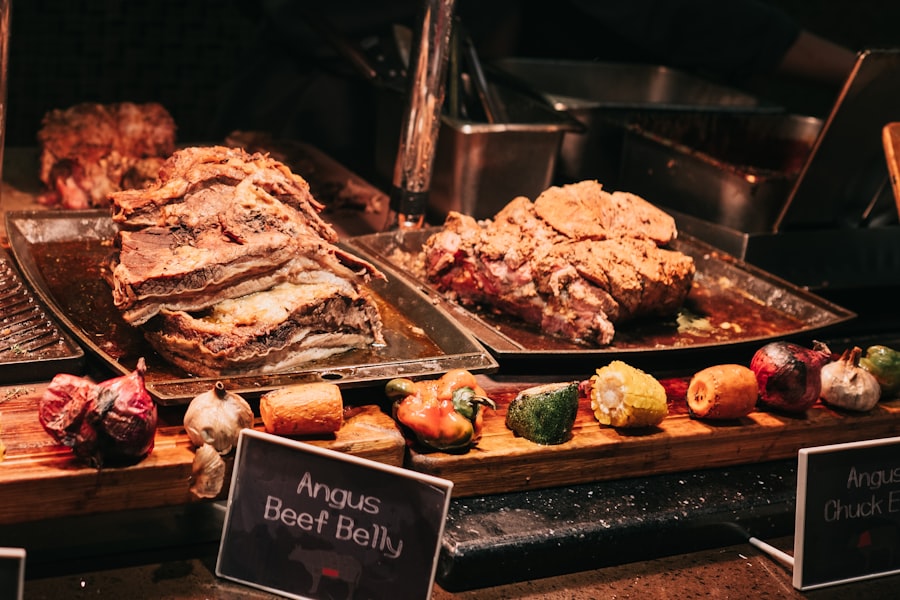
Let’s be realistic – not everyone can stretch to a massive rib of beef every Sunday. Your budget and the number of people you’re feeding are practical considerations that will heavily influence your choice.
Cost-Effective Choices
Good meat doesn’t have to break the bank. Sometimes, less popular cuts offer fantastic value and incredible flavour if cooked correctly.
Less Expensive Cuts That Shine
- Pork Shoulder: As mentioned, this cut is often much cheaper than loin or leg, but when slow-roasted, it becomes incredibly tender and flavourful. It’s also very forgiving.
- Lamb Shoulder: Similar to pork, slow-roasted lamb shoulder is a revelation and often more budget-friendly than leg.
- Silverside or Topside Beef: While leaner, these can be great if you’re mindful of not overcooking them. They’re usually less expensive per kilo than sirloin or rib.
- Whole Chicken: A good quality, free-range chicken can be an economical way to feed a family and tastes far superior to intensively farmed birds.
Calculating Portions
It’s always better to have a little left over than to run short, especially when it comes to a Sunday roast. These are general guidelines, but adjust for appetites!
Per Person Guidelines
- Boneless Meat (Beef, Lamb, Pork Loin): Aim for roughly 200-250g (7-9 oz) per adult.
- Bone-in Meat (Rib of Beef, Leg of Lamb, Shoulder): Increase this to 300-350g (10-12 oz) per adult to account for the bone weight.
- Whole Chicken: A medium chicken (around 1.5-1.8kg) will typically feed 3-4 people. A larger one (2kg+) can feed 4-5.
Matching the Cut to Your Cooking Method and Skill Level

This is a frequently overlooked aspect. Some cuts are incredibly forgiving, while others demand a precise hand. Don’t pick a challenging cut if you’re feeling nervous in the kitchen.
Quick Roasts vs. Slow Roasts
Different cuts are best suited to different cooking durations. Understanding this will prevent disappointment.
Cuts for Faster Roasting
- Beef Sirloin, Rib of Beef: These cuts are naturally tender and benefit from quicker cooking at higher temperatures to achieve a perfect medium-rare.
- Pork Loin: Can be roasted relatively quickly, but be careful not to dry it out.
- Leg of Lamb: When cooked to medium-rare, this doesn’t take an excessive amount of time.
Cuts for Slow Roasting
- Beef Silverside, Topside: While they can be roasted faster, they often benefit from lower, slower cooking or pot roasting to break down tougher fibres.
- Lamb Shoulder: This cut truly shines when slow-roasted for several hours until it’s falling off the bone.
- Pork Shoulder: The prime candidate for a long, slow roast that yields succulent, pull-apart meat.
Considering Your Equipment
Do you have a large enough roasting tin? A meat thermometer? These things play a role.
Essential Kitchen Tools
- Large Roasting Pan: Essential for larger joints, ensuring even cooking and space for vegetables around the meat.
- Meat Thermometer: The single most important tool for achieving perfect results, especially with more expensive cuts. Don’t guess; internal temperature is key.
- Sharp Carving Knife and Fork: A good set makes carving much easier and safer.
Don’t Be Afraid to Ask Questions
This might seem obvious, but many people feel intimidated in a butcher’s shop. Don’t be! Your butcher wants you to have a good experience and come back.
Queries to Pose to Your Butcher
Think of your butcher as your personal meat consultant. They’re there to help.
About the Meat Itself
- “Where does this meat come from?” A good butcher will proudly tell you the farm or region.
- “What breed is it?” Different breeds have different characteristics (e.g., Aberdeen Angus for beef, Suffolk for lamb).
- “How long has it been aged?” Dry-aging (especially for beef) significantly enhances flavour and tenderness.
Regarding Preparation
- “Can you trim the fat for me?” You might want some fat for flavour, but excess can be removed.
- “Can you tie this joint?” Tying helps the joint hold its shape and cook evenly.
- “Should it be on the bone or off?” They can advise on flavour versus ease of carving.
- “How much do I need for X number of people?” They can accurately weigh out the right amount.
For Cooking Advice
- “How long should I cook this joint for?” They can give you specific timings based on the cut’s size and thickness.
- “What temperature should I aim for?” They can advise on internal temperatures for various levels of doneness.
- “Any particular herbs or marinades you’d recommend with this cut?” They might have tried-and-tested suggestions.
Ultimately, choosing the perfect Sunday roast joint boils down to a blend of understanding the characteristics of different meats, prioritising quality sourcing, being mindful of your budget and guests, and confidently engaging with your local butcher. Don’t be afraid to experiment a little, and remember that with a bit of care and attention, a cracking Sunday roast is well within anyone’s reach. Happy roasting!