Winter is undeniably the season for hearty, slow-cooked comfort food. The chill in the air beckons for dishes that warm you from the inside out, and few things fit the bill as perfectly as a rich, flavourful beef stew or casserole. These are dishes that have been a cornerstone of British cuisine for generations, embodying a sense of tradition and homely goodness. The magic of a truly exceptional stew or casserole, however, lies not just in the method of cooking but, crucially, in the choice of beef. Using the wrong cut can result in a tough, stringy, or flavourless disappointment. Conversely, selecting the right cuts guarantees a meltingly tender, deeply savoury experience. As a UK-based Foodie expert and content creator, I understand the importance of guiding you towards the best ingredients to ensure your culinary creations are not just good, but truly exceptional. This article will delve into the finest beef cuts that lend themselves beautifully to the patient, slow cooking required for winter stews and casseroles, explaining why they work so well and how to get the most out of them.
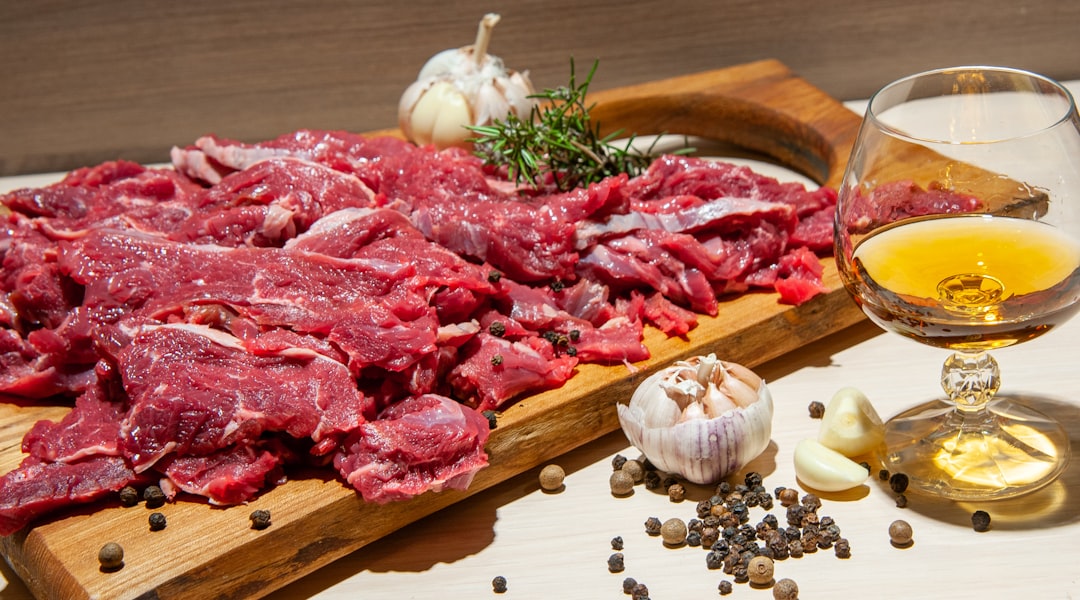
The fundamental principle behind achieving a tender and flavourful beef stew or casserole rests on understanding the meat’s structure and how it reacts to prolonged, low-temperature cooking. Beef, particularly the cuts we’ll discuss, contains connective tissues, primarily collagen. When subjected to dry heat, collagen tightens and becomes tough, resulting in chewy meat. However, in the moist, gentle environment of a slow cook, this collagen breaks down. It transforms into gelatin, which not only adds a wonderful richness and mouthfeel to the cooking liquid but also tenderises the surrounding muscle fibres. This breakdown process takes time, which is why those tougher, more active cuts of beef, often less expensive and readily available, are actually the ideal candidates for stewing and braising. Silverside, chuck, brisket, and shin are all examples of such cuts. They are packed with flavour and have the necessary connective tissue to become incredibly tender and succulent when slow-cooked. Conversely, lean, tender cuts like fillet or sirloin are better suited to quick cooking methods like grilling or pan-frying. Their lack of connective tissue means they would simply dry out and become tough if subjected to the long cooking times of a stew.
The Role of Collagen
As mentioned, collagen is the key player here. Think of it as the glue that holds the muscle fibres of the animal together. In younger, more active muscles, there’s more collagen. This is why cuts from the shoulder, neck, and legs of the cow are generally tougher but richer in flavour and, crucially, in the potential for tenderness through slow cooking. The longer and slower the cooking, the more thoroughly the collagen can break down. This gelatinisation not only makes the meat tender but also thickens the sauce, creating that characteristic unctuous texture of a perfect stew.
The Impact of Marbling
While a stew isn’t about a perfectly marbled steak, the presence of intramuscular fat, known as marbling, does play a role. This fat renders down during slow cooking, adding moisture and further enhancing the flavour of both the meat and the overall dish. Cuts with a moderate amount of marbling, alongside good connective tissue, will generally yield the most satisfying results. It’s about finding a balance between the transforming collagen and the enriching fat.
The Crown Jewels: Top Beef Cuts for Casseroles and Stews
When preparing winter stews and casseroles, the goal is to select cuts that will benefit from the long, slow simmering process. These are typically cuts that are tougher and more muscular, but rich in flavour and connective tissue. Their inherent toughness transforms into succulence and depth of flavour when given the time and moisture to break down.
Chuck Steak (Blade, Shoulder)
Chuck steak, also known as blade steak or shoulder steak in the UK, is arguably the king of beef for stews and casseroles. It comes from the shoulder area of the cow, a part that does a lot of work. This means it’s rich in flavour and has a good amount of both marbling and connective tissue.
Why Chuck Excels
The abundance of collagen in chuck steak is precisely what makes it ideal for slow cooking. As it breaks down, it renders the meat incredibly tender and moist, creating a rich, unctuous gravy. The flavour is also more pronounced than in more premium cuts, contributing a robust beefiness to your stew that is hard to replicate. Its slightly coarser texture also means it holds its shape well during long cooking, preventing it from disintegrating into mush.
Best Practices for Chuck
When preparing chuck steak for a stew, it’s beneficial to cut it into generous, uniform cubes. This ensures even cooking. Brown the meat well on all sides before adding it to your casserole dish or pot. This browning, known as the Maillard reaction, develops a deeper, more complex flavour profile. Don’t be tempted to rush this step; it’s crucial for building the foundational taste of your dish.
Brisket
Brisket is another outstanding choice for slow-cooked beef dishes. It comes from the breast or lower chest of the cow and is known for its rich flavour and potential for extreme tenderness when cooked low and slow. It’s typically a fattier cut than chuck, which can be a real advantage in stews.
The Brisket Advantage
Brisket contains a significant amount of fat and connective tissue, particularly the layer of fat that runs through it. During slow cooking, this fat melts, basting the meat and infusing it with moisture and flavour. The collagen breaks down effectively, leading to melt-in-your-mouth tenderness. It’s a cut that, when cooked correctly, delivers an unparalleled richness.
Cooking Brisket in Stews
Brisket can be cooked whole and then shredded, or cut into large chunks for stewing. If cooking whole, ensure it’s well-seared. For stews, cut it into pieces about 2-3 inches in size. As it’s a fattier cut, some people prefer to trim off excess surface fat before cooking, but leaving some will contribute significantly to the final flavour and texture. Brisket is also excellent for braising, making it a versatile option for both stews and layered casseroles.
Shin (Leg)
Beef shin, also known as shank, comes from the lower leg of the cow. This is a well-exercised muscle, meaning it’s packed with connective tissue and flavour. It’s often sold bone-in, and the marrow within the bone adds an incredible depth of flavour and richness to the cooking liquid.
The Power of Shin
The high collagen content in shin is its defining characteristic. This collagen breaks down beautifully, creating a gelatinous, deeply savoury sauce that clings to the meat. The flavour intensity of shin is exceptional, making it a fantastic choice for those who desire a truly robust beef taste in their stew. The bone also contributes, leached with marrow, it adds a silken quality and an underlying savoury note that elevates the entire dish.
Tips for Using Shin
Shin is best slow-cooked whole or cut into very large pieces. The bone-in cuts are highly recommended for their flavour contribution. Ensure the meat is well-browned before adding your liquids. Because shins can be quite long, you may need to cut them into shorter segments to fit into your pot or casserole dish comfortably. The meat will become incredibly tender, almost falling off the bone, making it easy to shred or serve as large, succulent chunks.
Silverside and Topside
Often grouped together, silverside and topside are cuts from the rear leg of the cow. While they are leaner than chuck, brisket, or shin, they can still be excellent choices for stews and casseroles if treated correctly. They are typically more affordable than premium steak cuts.
The Leaner Option
Silverside and topside are leaner cuts, meaning they have less marbling and connective tissue compared to the previously mentioned cuts. Therefore, they require careful cooking to prevent dryness. However, their flavour is still good, and they can be very tender when slow-cooked with plenty of liquid and moisture-retaining ingredients.
Preparing Silverside and Topside
When using silverside or topside for stews, it’s crucial to cut them into substantial chunks rather than small pieces. This helps them retain moisture. Ensure your stew has ample liquid, and consider adding ingredients that release moisture during cooking, such as onions, carrots, and tomatoes. Marinating these cuts overnight in something acidic like red wine or buttermilk can also help tenderise the meat before cooking. Avoid overcooking, as these leaner cuts can become tough quickly if left for too long.
Maximising Flavour and Tenderness: Beyond the Cut
While the cut of beef is paramount, several other factors contribute to a truly exceptional winter stew or casserole. Attention to detail during the preparation and cooking process can transform a good dish into a magnificent one.
The Art of Browning
The browning of the beef, as mentioned previously, is a non-negotiable step. This process, known as the Maillard reaction, creates hundreds of new flavour compounds that caramelise the surface of the meat. This adds layers of complexity and a rich, roasted depth that cannot be achieved through boiling alone.
Achieving the Perfect Sear
When browning, do not overcrowd the pan. Cook the beef in batches, allowing each piece sufficient space to brown properly. Use a hot pan and a little oil or fat. You want a deep, rich brown colour, not a pale grey appearance. The browned bits left in the pan after searing, called ‘fond’, are packed with flavour and should be deglazed and incorporated into your stew.
Building the Flavour Base
The flavour of your stew doesn’t start with the beef alone; it begins with building a robust base of aromatics and vegetables. This foundation is what will carry the rich beefiness throughout the dish.
Aromatics and Mirepoix
A classic mirepoix of finely diced onions, carrots, and celery, softened gently in fat before the addition of other ingredients, forms a crucial flavour base. Garlic and leeks are also excellent additions. Sautéing these vegetables until softened and slightly caramelised releases their natural sweetness and adds a complex savoury note to the stew.
The Importance of Liquid
The choice of liquid in your stew or casserole is as important as the beef itself. It’s not just about adding moisture; it’s about infusing flavour and creating that desirable sauce.
Crafting the Perfect Broth
For beef stews, a good quality beef stock or broth is essential. Homemade stock is, of course, the gold standard, but good quality commercial stock can be a very acceptable alternative. Red wine is also a classic addition, its tannins and acidity helping to tenderise the meat and adding a deep, fruity complexity. Dark beers, such as stout or porter, can also lend a wonderfully rich, malty flavour. Water can be used, but it will result in a less flavourful end product.
Slow and Steady Wins the Race: Cooking Methods
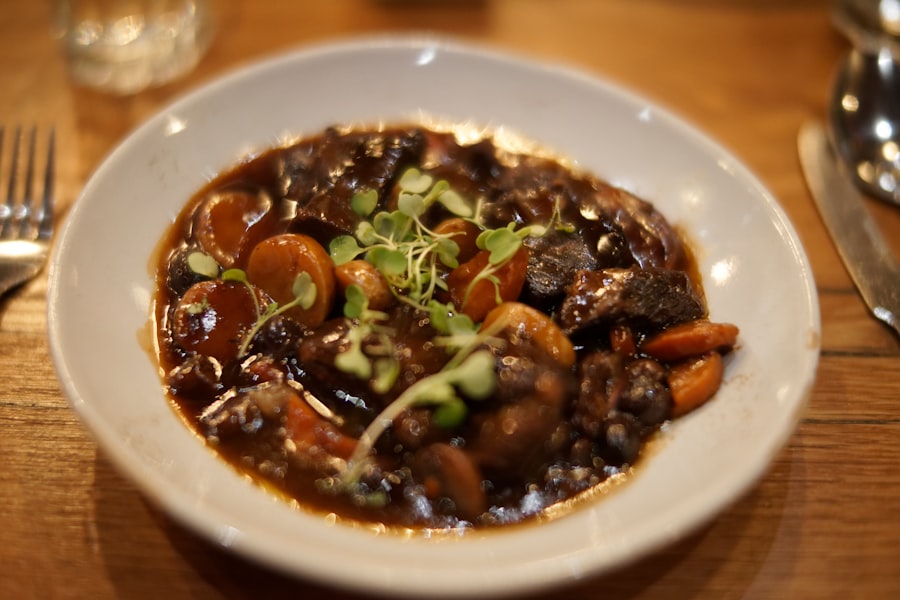
The essence of these hearty winter dishes lies in the patient, slow cooking process. This is where the magic happens, transforming tougher cuts of beef into meltingly tender delights.
Oven Braising
For many, oven braising is the superior method for cooking beef stews and casseroles. It provides a consistent, gentle heat that is incredibly forgiving and promotes even cooking.
Benefits of Oven Braising
Placing your pot or casserole dish in a preheated oven allows for a controlled, dry heat environment that mimics slow simmering. This helps to prevent the liquid from boiling too vigorously, which can toughen the meat. It also means you don’t have to stand over a hob stirring constantly, freeing you up to do other things.
Perfect Oven Temperatures
A typical oven temperature for braising beef stews is between 140°C and 160°C (285°F and 320°F). For much tougher cuts like shin, you might even go as low as 130°C (265°F) for an extended period. The key is low and slow, allowing the collagen to break down gradually.
Stovetop Simmering
While oven braising is often preferred, a well-managed stovetop simmer can also yield excellent results. This requires vigilance to maintain a gentle heat.
Mastering the Gentle Simmer
Achieving a proper simmer on the stovetop means maintaining a consistent low heat that produces very small bubbles rising to the surface. Avoid a rolling boil, as this can tougmerge the meat. Use a heavy-based pot or Dutch oven that distributes heat evenly, and keep a close eye on the liquid level, topping up with more stock or water if necessary.
Beyond the Basics: Enhancing Your Beef Stew
Once you have the perfect cut and the right cooking method, there are numerous ways to elevate your beef stew or casserole from good to utterly memorable.
Herbs and Spices
The right blend of herbs and spices can truly lift your beef dish. These are not just flavour enhancers but can also contribute to the overall aroma and character of the stew.
Classic Combinations
Bay leaves, thyme, rosemary, and parsley are classic partners for beef. These herbs have robust flavours that stand up well to long cooking. Adding them early on allows their essence to infuse into the meat and broth. For a slightly different flavour profile, consider adding a pinch of smoked paprika for warmth, or a little ground cumin for earthiness.
Adding Depth with Umami
Umami, the fifth taste, is often described as savoury or meaty. Boosting the umami content of your stew can significantly deepen its flavour.
Umami Boosters
Ingredients like tomato purée, Worcestershire sauce, soy sauce, and even a spoonful of Marmite can all contribute to a richer, more complex umami profile. Mushrooms, particularly dried shiitake mushrooms, impart a powerful umami flavour and are an excellent vegetarian addition that complements the beef.
The Role of Acidity
A touch of acidity can balance the richness of a beef stew and prevent it from becoming overwhelmingly heavy.
Brightening the Dish
A splash of red wine vinegar, balsamic vinegar, or even a squeeze of lemon juice just before serving can cut through the richness and awaken the palate. This is a finishing touch that makes a noticeable difference. Often, the acidity from ingredients like tomatoes or red wine used in the cooking process will provide sufficient balance.
In conclusion, the foundation of a truly magnificent winter beef stew or casserole lies in an intelligent selection of beef cuts. Cuts like chuck, brisket, and shin, with their inherent richness in connective tissue and flavour, are your most reliable allies. While silverside and topside can be used, they demand a more careful approach to cooking. Remember that the journey to a perfect stew involves more than just the meat; it’s about the artistry of browning, the careful layering of flavours, the judicious choice of liquid, and the patient embrace of slow cooking. By understanding these elements and applying them, you can ensure your winter table is adorned with dishes that are not only warming and comforting but also deeply satisfying and rich with flavour. Enjoy your culinary adventures this winter season.