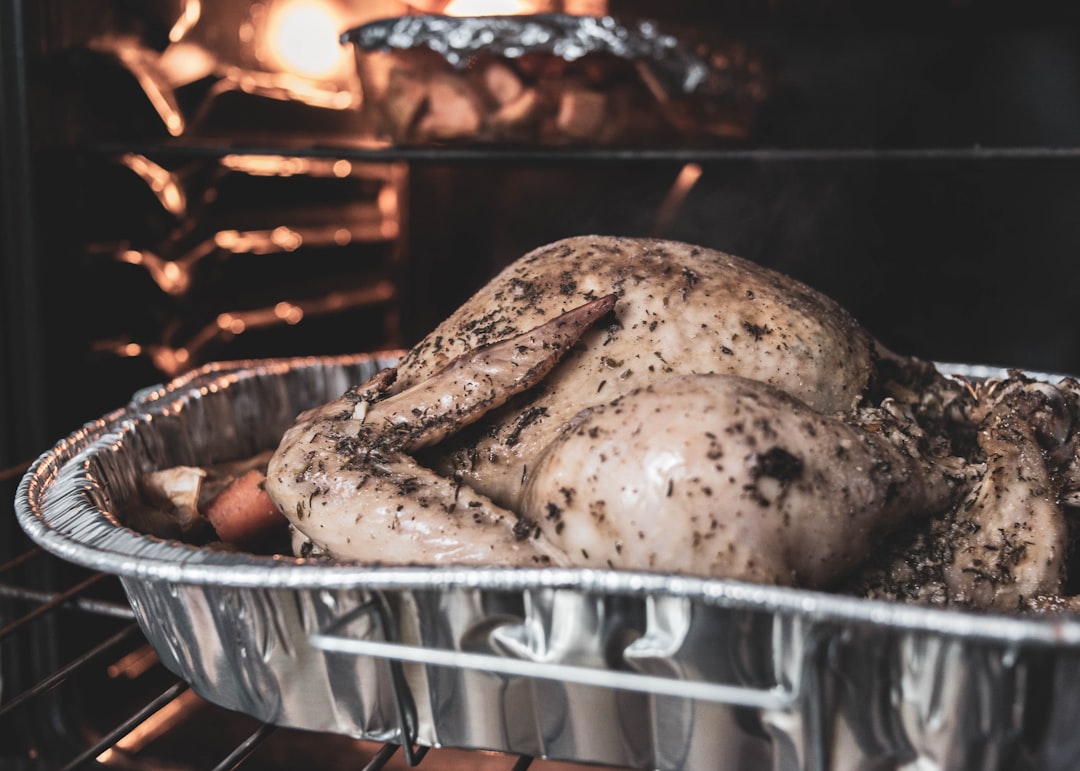
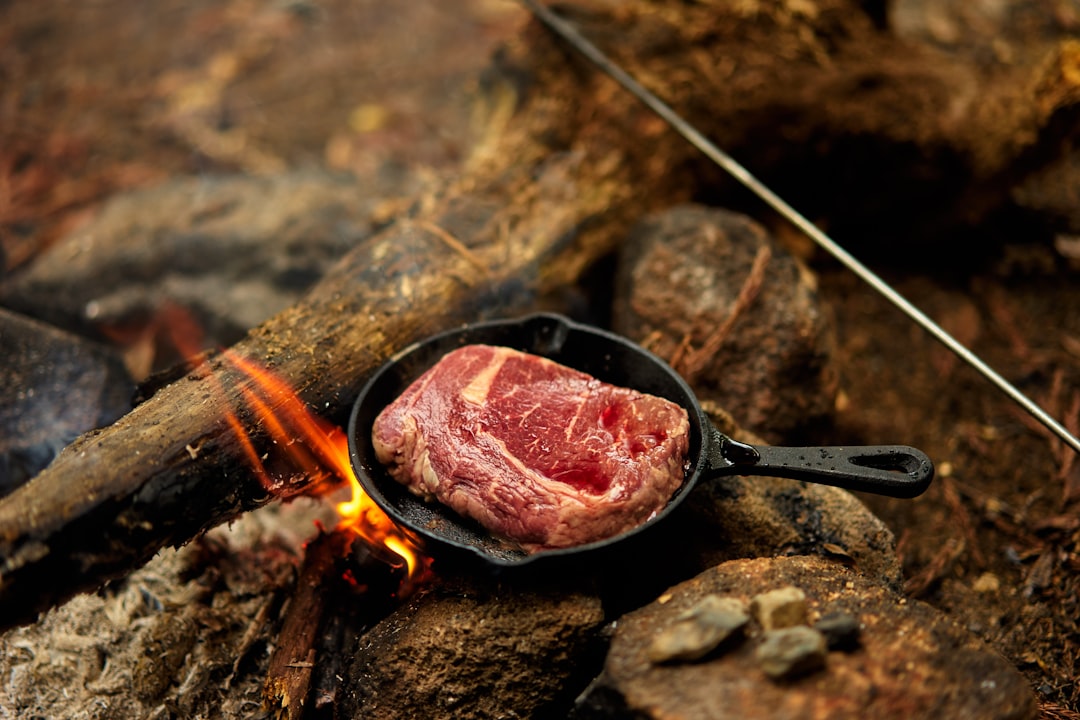
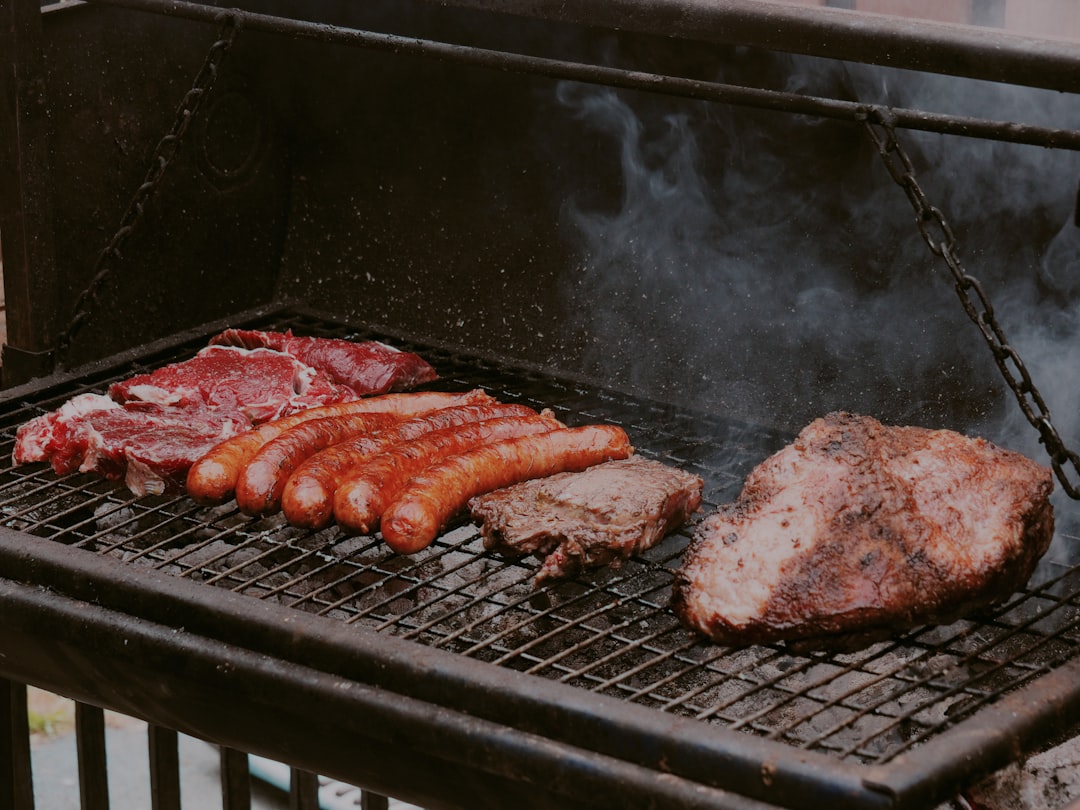
Marinades are a fantastic way to elevate your cooking, giving your meats a depth of flavour and a tenderness that’s hard to achieve otherwise. Whether you’re firing up the barbecue, searing in a pan, or slow-roasting in the oven, the right marinade can transform a good meal into a truly memorable one. As a UK-based Foodie expert and content creator, I’m here to guide you through the best marinades for beef, chicken, and lamb, helping you unlock their full potential and get the most flavour for your buck.
The Magic of Marinades: What They Do and Why They Work
Before we dive into specific recipes, it’s worth understanding the fundamental principles behind marinades. A good marinade isn’t just about adding flavour; it’s a culinary alchemy that tenderises, moistens, and infuses your chosen protein with deliciousness.
The Three Pillars of a Marinade
Every effective marinade is built upon three core components, each playing a vital role in the transformation of your meat:
- The Acid: This is the powerhouse of tenderisation. Acids like lemon juice, lime juice, vinegar (balsamic, red wine, apple cider), buttermilk, or even yoghurt work by breaking down the tough connective tissues in meat. This process makes the meat more tender and succulent. However, it’s crucial not to overdo the acid, as it can also ‘cook’ the protein, giving it a mushy or chalky texture. Think of it as a gentle persuasion rather than a forceful assault.
- The Fat/Oil: Oil, whether it’s olive oil, vegetable oil, or even sesame oil, is essential for carrying fat-soluble flavour compounds from ingredients like herbs, garlic, and spices deep into the meat. It also helps to keep the meat moist during cooking, preventing it from drying out, particularly when grilling or roasting. Oil acts as a lubricant, ensuring a more even and pleasant mouthfeel.
- The Flavourings: This is where you get to be creative! This category encompasses a vast array of ingredients that contribute to the taste profile. Think of herbs (fresh or dried), spices (paprika, cumin, coriander, chilli flakes), aromatics (garlic, ginger, onions), sweeteners (honey, sugar, maple syrup), and umami boosters (soy sauce, Worcestershire sauce, anchovy paste). These ingredients are drawn into the meat by the oil and the action of the acid, creating layers of complex flavour.
How to Marinate Effectively
Achieving optimal results with marinades involves a few key practices:
- Choosing the Right Vessel: A non-reactive container is essential. Glass, ceramic, or food-grade plastic bags are ideal. Metal can react with acidic marinades, imparting an unpleasant metallic taste.
- Marinating Times: This is a crucial aspect, and it varies depending on the type of meat and the strength of the marinade.
- Chicken: Chicken, being a leaner and more delicate meat, typically requires less marinating time. For thinner cuts like chicken breasts or thighs, 30 minutes to a couple of hours is often sufficient. For whole chickens or larger pieces, you can marinate for up to 12 hours, but be mindful of acidic ingredients. Darker meat like thighs can handle slightly longer marinating times than breast meat.
- Beef: Beef, especially tougher cuts, can benefit from longer marinating periods. For tender cuts like sirloin or fillet, a few hours to overnight (8-12 hours) is usually enough. For tougher cuts like skirt, flank, or chuck, you can marinate for up to 24 hours to really allow the marinade to penetrate and tenderise. Always use the least amount of acid needed when marinating tough cuts for extended periods.
- Lamb: Lamb falls somewhere between chicken and beef in terms of marinating time. It’s a robust meat that can handle strong flavours and longer marinating. For chops or smaller cuts, 2-8 hours is generally recommended. For larger joints like a leg or shoulder, you can marinate for 12-24 hours. The flavour of lamb pairs exceptionally well with Mediterranean and Middle Eastern inspired marinades.
- The Marinade-to-Meat Ratio: Aim for enough marinade to coat the meat generously, but you don’t need to completely submerge it, especially for cuts that aren’t being soaked for a very long time. For thinner cuts, a good coating is sufficient. For thicker cuts or whole pieces, submerging is often preferred.
- Temperature Control: Marinate your meat in the refrigerator. Leaving meat to marinate at room temperature for extended periods can encourage bacterial growth, rendering it unsafe to eat. Only take it out of the fridge a short while before cooking to allow it to come closer to room temperature for more even cooking.
Marvellous Marinades for Beef
Beef is a wonderfully versatile meat, and a good marinade can unlock its full potential, whether you’re planning a quick weeknight stir-fry or a weekend barbecue. The key with beef marinades is often balancing tenderising acidity with rich, savoury flavours that complement its inherent beefiness.
Classic Steak Marinade
This is a fundamental marinade that works exceptionally well with most cuts of steak, from a humble sirloin to a premium fillet. It’s simple, effective, and allows the quality of the beef to shine through.
Ingredients:
- 100ml Olive oil
- 50ml Soy sauce (use a good quality British or Japanese soy sauce)
- 2 tablespoons Worcestershire sauce
- 2 cloves Garlic, minced
- 1 teaspoon Dijon mustard
- 1 teaspoon Black pepper, freshly ground
- Optional: A pinch of dried rosemary or thyme
Method:
In a bowl, whisk together all the ingredients until well combined. Place your steak in a shallow dish or a food-grade plastic bag, pour over the marinade, ensuring the steak is well coated. Marinate in the refrigerator for at least 2 hours, and up to 12 hours for tougher cuts. For thinner steaks, 1-4 hours is sufficient.
Red Wine and Herb Marinade for Roasts
This marinade is perfect for larger cuts of beef destined for the oven, such as a silverside, brisket, or even a joint of sirloin. The red wine adds depth and a touch of acidity, while the herbs infuse a wonderful aroma.
Ingredients:
- 200ml Dry red wine (Merlot or Cabernet Sauvignon work well)
- 50ml Olive oil
- 2 tablespoons Balsamic vinegar
- 2 sprigs Fresh rosemary, chopped
- 2 sprigs Fresh thyme, chopped
- 3 cloves Garlic, crushed
- 1 Bay leaf
- 1 teaspoon Black pepper, freshly ground
Method:
Combine all ingredients in a bowl or a suitable marinating bag. Place your beef joint in the marinade, ensuring it is well covered. For best results, marinate overnight (12-24 hours) in the refrigerator. When ready to cook, remove the beef from the marinade (discard the marinade or reduce it to make a sauce) and pat it dry before searing or roasting.
Spicy Korean-Inspired Bulgogi Marinade
Bulgogi is a classic Korean dish that’s incredibly popular, and for good reason. This marinade brings a delightful balance of sweet, salty, and spicy notes that are perfect for thinly sliced beef, especially cuts like flank or skirt steak, which can be quickly cooked.
Ingredients:
- 100ml Soy sauce
- 2 tablespoons Brown sugar (or honey)
- 1 tablespoon Sesame oil
- 1 tablespoon Mirin (Japanese sweet rice wine) or dry sherry
- 2 cloves Garlic, minced
- 1 teaspoon Ginger, grated
- 1/4 teaspoon Gochugaru (Korean chilli flakes) or red pepper flakes (adjust to your spice preference)
- 1 Spring onion, finely chopped (white and green parts)
Method:
Whisk together all the ingredients in a bowl. Thinly slice your beef against the grain. Add the beef to the marinade and mix thoroughly to ensure each slice is coated. Marinate for at least 1 hour, and up to 4 hours in the refrigerator. This marinade is best for quick cooking methods like stir-frying or grilling, as the sugar can cause it to burn if cooked for too long.
Tempting Marinades for Chicken
Chicken is a blank canvas for flavour, and marinades are an excellent way to infuse it with personality. From barbecue staples to vibrant global influences, there’s a marinade for every occasion.
Zesty Lemon and Herb Marinade
This is a classic for a reason. The bright citrus cuts through the richness of chicken, while fresh herbs add an aromatic lift. This marinade is incredibly versatile.
Ingredients:
- Juice of 1 lemon
- 50ml Olive oil
- 2 cloves Garlic, minced
- 1 tablespoon Fresh parsley, chopped
- 1 tablespoon Fresh rosemary or thyme, chopped
- 1 teaspoon Dijon mustard
- Salt and black pepper to taste
Method:
Combine all ingredients in a bowl. Place chicken pieces (breasts, thighs, wings) in a food-grade plastic bag or shallow dish. Pour the marinade over the chicken, ensuring it’s well coated. Marinate for at least 30 minutes, and up to 4 hours. This marinade is excellent for grilling, roasting, or pan-frying.
Smoky Paprika and Garlic Marinade
This marinade brings a delightful smoky and slightly sweet flavour profile to chicken, making it perfect for barbecues or roasted dishes. The paprika provides colour as well as flavour.
Ingredients:
- 50ml Olive oil
- 2 tablespoons Smoked paprika
- 1 tablespoon Sweet paprika
- 2 cloves Garlic, minced
- 1 teaspoon Cumin
- 1 teaspoon Brown sugar
- Salt and black pepper to taste
Method:
In a bowl, mix together the olive oil, paprikas, garlic, cumin, and brown sugar. Season with salt and pepper. Add chicken pieces to the mixture, ensuring they are thoroughly coated. Marinate for at least 1 hour, and up to 6 hours in the refrigerator. This is fantastic for chicken wings or thighs.
Yoghurt and Spice Marinade (Tandoori-Style)
Yoghurt is a brilliant ingredient in marinades for chicken. Its acidity is gentler than citrus, making it less likely to toughen the meat, and it creates an incredibly tender and moist result. This marinade offers a nod to classic Indian flavours.
Ingredients:
- 150g Plain yoghurt (full-fat works best for richness)
- 1 tablespoon Lemon juice
- 1 tablespoon Ginger, grated
- 2 cloves Garlic, minced
- 1 teaspoon Garam masala
- 1 teaspoon Cumin
- 1 teaspoon Coriander
- 1/2 teaspoon Turmeric
- 1/4 teaspoon Chilli powder (or to taste)
- Salt to taste
- Optional: A pinch of food colouring for a vibrant tandoori colour
Method:
In a bowl, combine the yoghurt, lemon juice, ginger, garlic, and all the spices. Mix until a smooth paste is formed. Add chicken pieces, ensuring they are fully coated in the marinade. Marinate for at least 4 hours, and preferably overnight, in the refrigerator. This marinade is excellent for grilling or baking.
Luscious Marinades for Lamb
Lamb is a flavourful meat that pairs wonderfully with robust herbs, warming spices, and aromatic ingredients. Marinades can enhance its natural taste without overpowering it.
Mediterranean Lamb Marinade
This marinade brings together classic Mediterranean flavours that complement lamb beautifully. It’s ideal for chops, noisettes, or even a leg of lamb.
Ingredients:
- 50ml Olive oil
- Juice of 1/2 lemon
- 2 cloves Garlic, thinly sliced
- 1 sprig Fresh rosemary, chopped
- 1 sprig Fresh thyme, chopped
- 1 teaspoon Dried oregano
- 1/2 teaspoon Black pepper, freshly ground
- Salt to taste
Method:
In a bowl, whisk together the olive oil, lemon juice, garlic, herbs, oregano, pepper, and salt. Place lamb pieces in the marinade, ensuring they are evenly coated. For lamb chops or smaller cuts, marinating for 1-4 hours is sufficient. For a leg of lamb, marinate for at least 8 hours, or overnight.
Mint and Garlic Marinade for Lamb Chops
Mint and lamb are a timeless pairing. This marinade offers a refreshing twist that cuts through the richness of the lamb, making it a delightful choice for grilling or pan-frying.
Ingredients:
- 3 tablespoons Olive oil
- 2 tablespoons Fresh mint, finely chopped
- 2 cloves Garlic, minced
- 1 tablespoon Red wine vinegar
- 1 teaspoon Dijon mustard
- Salt and freshly ground black pepper
Method:
Combine all ingredients in a bowl. Add lamb chops and toss to coat thoroughly. Marinate for 30 minutes to 2 hours at room temperature, or up to 4 hours in the refrigerator. This marinade is best for relatively quick cooking.
Middle Eastern Spiced Lamb Marinade
This marinade draws inspiration from the vibrant spice blends found in Middle Eastern cuisine, offering a warm and aromatic depth that is perfect for lamb.
Ingredients:
- 50ml Olive oil
- 1 tablespoon Lemon juice
- 1 teaspoon Cumin
- 1 teaspoon Coriander
- 1/2 teaspoon Smoked paprika
- 1/4 teaspoon Cinnamon
- A pinch of chilli flakes (optional)
- 2 cloves Garlic, minced
- Salt and black pepper to taste
Method:
In a bowl, mix together all the ingredients. Add lamb pieces (neck fillet, shoulder, or leg steaks work well) and coat them evenly. Marinate for at least 4 hours, and up to 12 hours, in the refrigerator. This marinade is excellent for grilling or roasting.
Beyond the Basics: Tenderising Tips and Tricks
While the marinades above are excellent starting points, there are a few additional techniques that can further enhance your marinating experience and the final result.
The Role of Enzymes in Tenderisation
Some ingredients possess natural enzymes that can aid in tenderising meat even further.
- Pineapple: Contains bromelain, a protease enzyme that breaks down proteins. A small amount of fresh pineapple juice or a very small piece of mashed pineapple can be added to marinades for tougher cuts. Be cautious, though, as too much can make the meat mushy. Marinate for no more than 1-2 hours.
- Kiwi Fruit: Similar to pineapple, kiwi fruit contains actinidin, another protein-digesting enzyme. Use sparingly, and marinate for a short period (up to 1 hour).
- Papain (from Papaya): Though less common in home kitchens, papain is a powerful tenderiser found in papaya.
It is advisable to use these enzymes with moderation, as they can quickly turn your meat into an undesirable texture. It is also worth noting that these enzymes are most effective when the meat is at room temperature, so always marinate in the fridge and remove the meat for a short time before cooking.
Incorporating Umami for Deeper Savoury Notes
Umami, the fifth basic taste, adds a savoury depth to dishes that is often described as ‘meaty’ or ‘brothy’. By incorporating umami-rich ingredients into your marinades, you can create more complex and satisfying flavour profiles.
- Anchovy Paste or Fillets: Don’t be put off by the strong smell; when dissolved in a marinade, anchovies add a profound savoury depth without a fishy taste, particularly to beef and lamb.
- Miso Paste: Fermented soybean paste, readily available in well-stocked UK supermarkets, adds a complex, salty, and slightly sweet umami. It works particularly well with chicken and pork.
- Mushroom Powder: Dried and ground mushrooms (shiitake are excellent) can add a concentrated mushroom flavour and a boost of umami.
- Parmesan Rinds: While not something you’d typically marinate with, a Parmesan rind simmered in a braising liquid or added to a slow-cook can impart incredible umami. However, for marinades, it’s more about the liquid components.
The Importance of Patting Dry
After marinating, a crucial step for achieving a good sear or crispy skin is to thoroughly pat your meat dry with kitchen paper. Excess moisture on the surface of the meat will steam rather than sear, preventing that desirable brown crust from forming. This is particularly important for chicken skin if you want it to be crispy.
Grilling and Barbecuing with Marinated Meats
Marinades are a barbecue enthusiast’s best friend. They not only add flavour but also help to protect the meat from the intense heat and prevent sticking.
Preventing Flare-Ups
Marinades containing oil and sugar can contribute to flare-ups on the barbecue.
- Wipe Away Excess Marinade: Before placing marinated meat on the grill, gently wipe away any excess marinade, especially any sugary components. This reduces the likelihood of dripping onto the coals and causing uncontrolled flames.
- Choose the Right Marinade: For very high-heat grilling, marinades with a lower sugar content or those relying more on acidic and herbal elements are generally safer bets.
- Manage Your Coals: Arrange your coals to create zones of direct and indirect heat. This allows you to move the meat to a cooler area if flare-ups become a problem, preventing burning.
Achieving a Beautiful Sear
A good sear is all about high heat and a dry surface.
- Preheat Your Grill: Ensure your barbecue is thoroughly preheated. A hot grill will immediately start to caramelise the surface of the meat, creating that sought-after Maillard reaction.
- Don’t Overcrowd the Grill: Leave enough space between pieces of meat to allow for even cooking and airflow. Overcrowding can lead to uneven cooking and steaming.
- Resist the Urge to Fiddle: Once placed on the grill, let the meat cook undisturbed for a few minutes to develop a crust before turning it. This prevents it from sticking and ensures a better sear.
Using Marinades as Sauces
Many marinades can be easily transformed into delicious sauces to accompany your grilled meats.
- Boil the Marinade: After removing the meat, pour the used marinade into a saucepan. Bring it to a rolling boil and let it simmer for at least 5-10 minutes. This will kill any bacteria from the raw meat and reduce the liquid, intensifying the flavours.
- Thicken and Season: You can thicken the reduced marinade by whisking in a cornflour slurry (cornflour mixed with a little cold water) or by simmering it for longer. Adjust seasoning with salt, pepper, or a touch more acidity as needed.
By understanding the science and art of marinades, you can consistently produce delicious, flavourful, and tender results for all your beef, chicken, and lamb dishes. Experiment with these recipes and feel free to adapt them to your own taste preferences. Happy cooking!