There’s something uniquely comforting, deeply traditional, and utterly delicious about a Sunday roast. It’s more than just a meal; it’s a cherished ritual, a chance to gather with loved ones, and the culinary embodiment of British cosiness. The aroma wafting from the kitchen, the sizzle of roasting meat, the clatter of cutlery – it all paints a picture of a perfect Sunday afternoon. But creating that perfect Sunday roast, the kind that makes your taste buds sing and your belly full of happy satisfaction, can feel a little daunting. Fear not, fellow foodies! As a UK-based Foodie expert and content creator, I’m here to guide you through the glorious journey of mastering this iconic British classic. We’ll demystify the process, share some insider tips, and ensure your next Sunday spread is the stuff of legends.
The Foundation: Choosing Your Star Player – The Meat
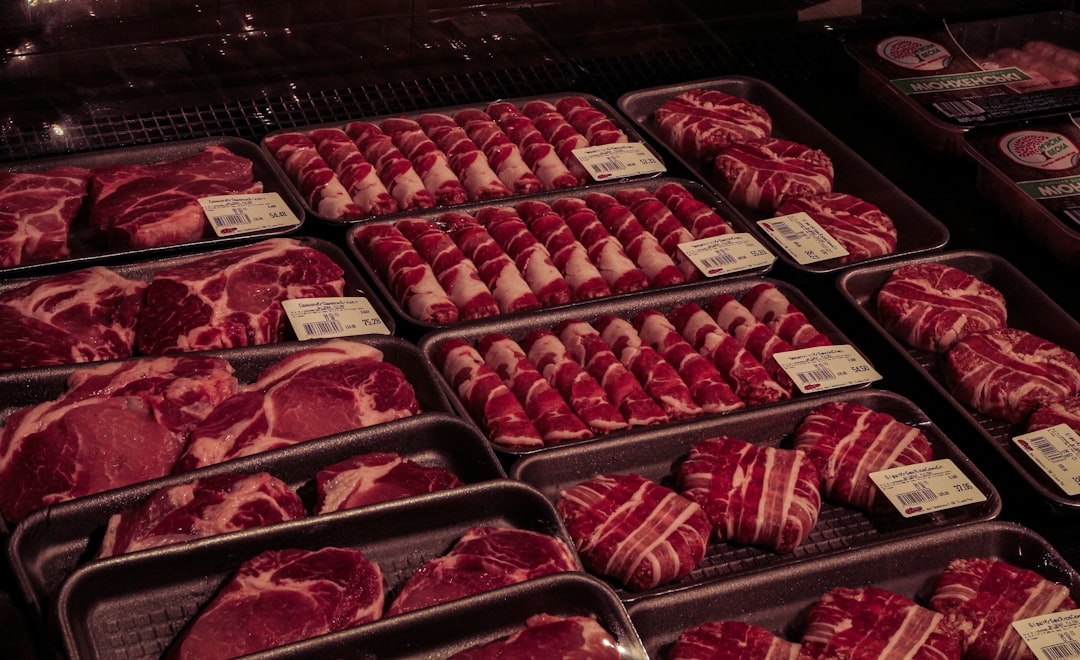
The meat is undeniably the centrepiece of any great Sunday roast, and making the right choice sets the stage for culinary brilliance. Each option brings its own unique flavour profile and cooking requirements, so let’s break them down.
Beef: The King of Roasts
For many, a Sunday roast simply isn’t a Sunday roast without a succulent joint of beef.
- Cuts to Consider:
- Topside: A lean, economical cut that’s great for slicing. Can be a little dry if overcooked, so gentle roasting is key.
- Silverside: Similar to topside, best cooked slowly for tenderness.
- Rib of Beef (Ribeye Joint): Oh, the indulgence! This is a more premium cut, renowned for its marbling and incredible flavour. Often cooked on the bone for maximum impact.
- Sirloin: A fantastic all-rounder, offering a good balance of tenderness and flavour.
- Preparation: Always bring your beef to room temperature before roasting. Season generously with salt and freshly cracked black pepper. A little oil can help with browning.
- Cooking: Preheat your oven to a high temperature (around 220°C/200°C fan/Gas Mark 7) for 20-30 minutes to get a good sear, then reduce to a more moderate temperature (around 180°C/160°C fan/Gas Mark 4) for the remainder of the cooking time. Use a meat thermometer for accuracy: 52°C for rare, 57°C for medium-rare, 63°C for medium.
- Resting is Crucial: Once cooked, remove your beef from the oven, tent it loosely with foil, and let it rest for at least 20-30 minutes. This allows the juices to redistribute, resulting in a more tender and flavourful roast.
Chicken: The Versatile Crowd-Pleaser
A classic roast chicken is a brilliant choice, often more budget-friendly and quicker to cook than beef.
- Preparation: Pat your chicken dry (this helps with crispy skin!). Rub with olive oil, then season generously with salt, pepper, and your favourite herbs (thyme, rosemary, bay leaves work wonders). You can stuff the cavity with half a lemon, an onion, or more herbs for added aroma.
- Cooking: Roast at around 200°C/180°C fan/Gas Mark 6. A general rule of thumb is 20 minutes per 450g (1lb) plus an extra 20 minutes. Ensure the juices run clear from the thickest part of the thigh when pierced.
- Crispy Skin Secret: Blast the chicken at a higher temperature for the last 15-20 minutes of cooking.
Lamb: The Spring/Easter Favourite
A beautiful leg of lamb or a succulent shoulder, especially with a hint of garlic and rosemary, is a sensational choice.
- Cuts to Consider:
- Leg of Lamb: Great for roasting whole, often studded with garlic and rosemary.
- Shoulder of Lamb: Ideal for slow-roasting until it’s falling off the bone.
- Preparation: Again, bring to room temperature. Make small incisions over the surface and push in slivers of garlic and sprigs of rosemary. Salt and pepper are your friends here.
- Cooking: Roast a leg of lamb at 200°C/180°C fan/Gas Mark 6 for about 20 minutes per 450g for medium. Shoulder benefits from a longer, slower cook at a slightly lower temperature (160°C/140°C fan/Gas Mark 3) for several hours until meltingly tender.
Pork: The Crackling King
Ah, roast pork! Especially with that irresistible crunchy crackling.
- Cuts to Consider:
- Loin: A lean option, but often with a good fat cap for crackling.
- Shoulder: Fattier and excellent for slow-roasting.
- Leg: A good all-rounder, often comes with impressive crackling.
- Crackling Prep is Key: This is where the magic happens! Score the skin deeply with a sharp knife (being careful not to cut into the meat). Rub generously with salt and a touch of oil. Some people also pour boiling water over the skin before salting to help open up the pores.
- Cooking: Start with a very hot oven (240°C/220°C fan/Gas Mark 9) for 20-30 minutes to get that crackling going, then reduce to 180°C/160°C fan/Gas Mark 4 for the remainder of the cooking time (about 30 minutes per 450g).
The Essential Sides: Beyond the Meat
While the meat is the headline act, the supporting cast elevate the Sunday roast to an art form. Each component plays its part in creating a harmonious and utterly satisfying plate.
Roast Potatoes: The Crispy, Fluffy Dream
These are non-negotiable. Perfectly crisp on the outside, fluffy on the inside.
- Par-Boiling is Holy: Peel and cut your potatoes into similar-sized chunks (Maris Piper, King Edwards, or Desiree are excellent choices). Par-boil them in salted water for 8-10 minutes until the edges are just starting to soften.
- Rough ‘Em Up: Drain thoroughly, then put them back in the empty saucepan and shake vigorously with the lid on to rough up the edges. This creates more surface area for crispiness.
- Fat is Flavour: Heat a good amount of fat (beef dripping, goose fat, or vegetable oil) in a roasting tray in a hot oven (around 200°C/180°C fan/Gas Mark 6) until shimmering.
- Roast to Perfection: Carefully add the potatoes to the hot fat, ensuring they are in an even layer. Roast for 45-60 minutes, turning every 20 minutes, until golden brown and gloriously crispy.
Yorkshire Puddings: The Quintessential Accompaniment
Light, airy, and with that perfect well for gravy, Yorkshires are a must, especially with beef!
- The Batter: A simple mix of plain flour, eggs, milk, and a pinch of salt. Aim for a smooth batter, ideally made a few hours (or even the night before) and left to rest in the fridge.
- Hot Fat is Key: Always use a well-greased muffin tin or a dedicated Yorkshire pudding tin. Get the fat (lard or vegetable oil works best) smoking hot in the oven (220°C/200°C fan/Gas Mark 7) before adding the batter.
- Don’t Peek! Once the batter is in, quickly put the tin back in the oven and resist the urge to open the door for at least 15-20 minutes. This helps them rise. Cook for 20-25 minutes until golden and puffed.
Gravy: The Nectar of the Gods
A truly great gravy elevates the entire meal. Forget the granules, we’re making the real deal.
- Pan Juices are Essential: After the meat has rested, pour off most of the fat from the roasting tray. Place the tray on the hob over a medium heat.
- Deglaze and Thicken: Add a splash of red wine or a good quality stock (beef, chicken, or vegetable depending on your roast) and scrape up all those delicious sticky bits from the bottom of the pan. Let it bubble and reduce slightly.
- Flour or Cornflour Slurry: If you want a thicker gravy, whisk a tablespoon of plain flour into a little cold water to make a slurry, then stir this into the simmering gravy until thickened. Alternatively, use a cornflour slurry (cornflour mixed with cold water). Season to taste.
Seasonal Vegetables: The Colour and Crunch
No roast is complete without a vibrant assortment of veggies.
- Green Veg: Steamed or lightly boiled broccoli, green beans, or tenderstem broccoli.
- Carrots: Roasted with a honey glaze, or simply boiled until tender.
- Parsnips: Roasted until caramelised and sweet – heavenly!
- Cabbage: Lightly steamed or stir-fried with a knob of butter.
Mastering the Timing: The Symphony of Sunday Cooking
One of the biggest challenges for a Sunday roast is getting everything ready and hot at the same time. It’s like conducting an orchestra!
The Reverse Order Approach
- Longest Cook First: Start with your meat, especially if it’s a large joint or needs a longer, slower cook (like shoulder of lamb or pork).
- Potatoes and Parsnips: These can go in around an hour to an hour and a half before serving, depending on their size and your oven.
- Yorkshire Puddings: These are best cooked right before serving, while the meat is resting. They take about 20-25 minutes.
- Gravy: Made while the meat is resting, using those precious pan juices.
- Green Veg: Cook these last, as they literally only take a few minutes to steam or boil and you want them vibrant and crisp-tender.
Prep Ahead Tips
- Gravy Base: Make your stock ahead of time. You can even combine this with roasted onion and carrot bits to create a deeply flavourful “gravy base” that just needs the pan juices and thickening on the day.
- Yorkshire Pudding Batter: Make it the night before and keep it in the fridge.
- Vegetables: Peel and chop raw potatoes and parsnips, keeping them in cold water to prevent discolouration. Trim green veg.
Troubleshooting Your Roast: Common Issues & Solutions
Even the most seasoned Sunday roast chefs encounter a hiccup now and then. Here’s how to tackle them:
Dry Meat?
- Solution: You likely overcooked it. Invest in a meat thermometer! Always rest your meat for sufficient time, as this reabsorbs juices. If already dry, a generous pour of gravy is your best friend.
Soggy Roast Potatoes?
- Solution: Not par-boiled enough, not roughed up, or not enough hot fat. Ensure you’re using a starchy potato. Make sure your oven is hot enough and don’t overcrowd the roasting tray. The potatoes should have space to crisp up.
Flat Yorkshires?
- Solution: The fat wasn’t hot enough, or you opened the oven door too soon. Hot fat is critical for that instant lift. Ensure your batter is at room temperature too.
Bland Gravy?
- Solution: Don’t skip the deglazing step! Those browned bits in the pan are flavour gold. Use a good quality stock (homemade is best!). A splash of red wine, a sprig of rosemary, or a bay leaf can amp up the flavour.
The Finishing Touches: Serving and Enjoying
Once everything is cooked to perfection, the moment arrives to bring it all together. Carve your beautifully rested meat, arrange your glorious array of sides, and present your perfectly crafted Sunday lunch. Don’t forget the condiments!
Essential Condiments
- Horseradish sauce: A must with beef.
- Mint sauce: Classic with lamb.
- Apple sauce: Unbeatable with pork.
- Cranberry sauce (or redcurrant jelly): Lovely with chicken or turkey.
- Mustard: Dijon or English mustard for a kick.
Gather your family and friends, pour a glass of something nice, and savour the fruits of your labour. The perfect Sunday roast isn’t just about the food; it’s about the warmth, the company, and the joy of a shared, delicious experience. With these tips and a little practice, you’ll be creating Sunday roast masterpieces that earn rave reviews every single time. Happy roasting!