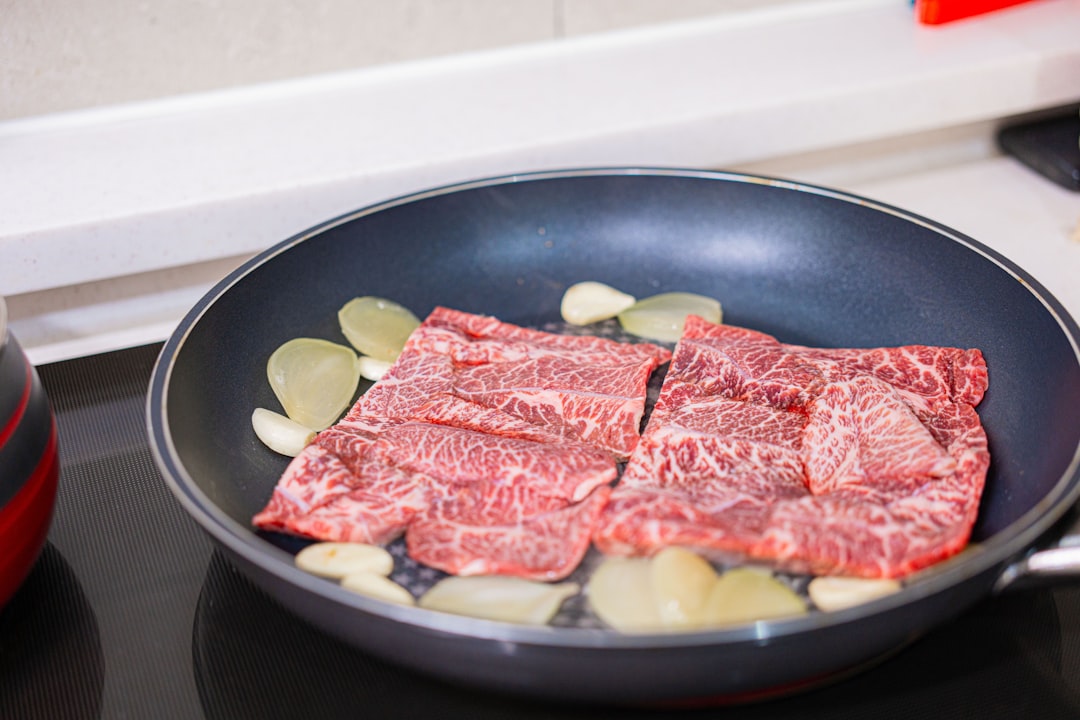
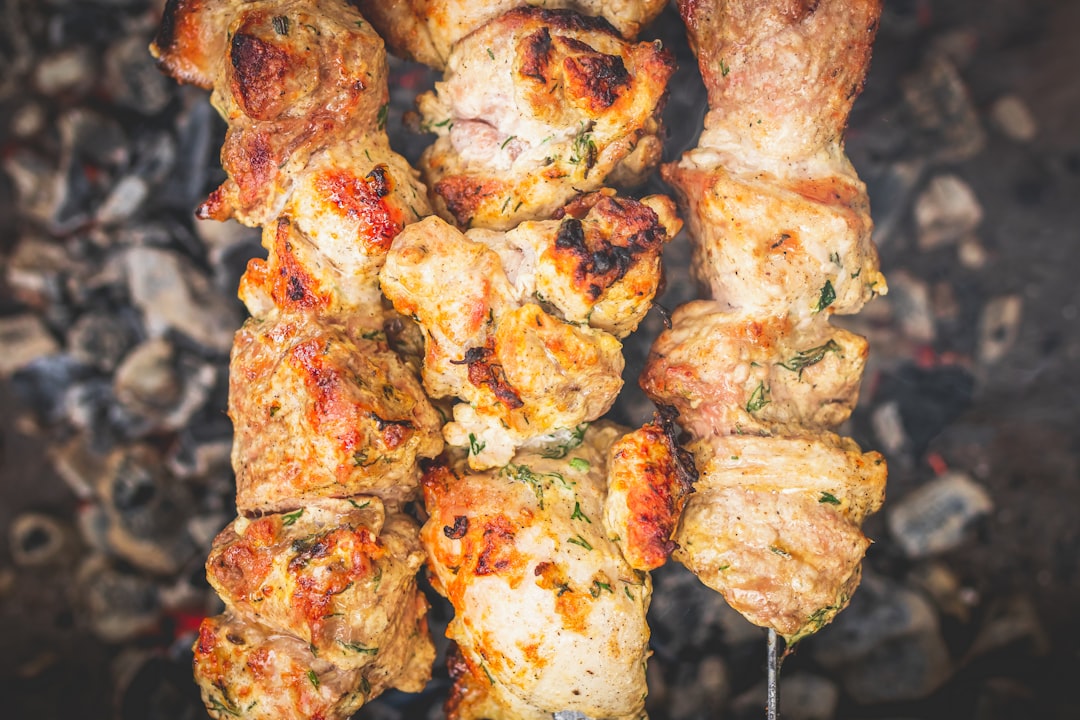
Right then, the sun’s finally making a determined effort to stay out, the birds are doing their enthusiastic thing, and you can practically smell the possibility of a perfectly charred sausage wafting down the street. Yep, it’s that magical time of year again – BBQ season is officially upon us! As your friendly neighbourhood Foodie expert and a bloke who takes his grilling very seriously (much to my family’s amusement, sometimes), I’m here to walk you through what’s what, especially when it comes to picking the absolute best cuts of meat to throw on that fiery grate.
We’re not just talking about chucking any old packet of something from the supermarket onto the coals. Oh no, we’re talking about making informed decisions, understanding the nuances of different meats, and ultimately, delivering a barbecue experience that’ll have your mates begging for seconds and your neighbours peeking over the fence with envy.
This isn’t just about surviving BBQ season; it’s about absolutely nailing it. We’ll be diving deep into the world of marinades, rubs, low and slow, and high and fast. We’ll be talking about what makes a steak sing and why certain cuts are destined for greatness on the grill. So, grab a cuppa, settle in, and let’s get this ultimate guide to BBQ season and the best cuts for grilling well and truly underway.
Before we get our hands dirty with specific cuts, let’s have a natter about why the cut of meat is so darn important when it comes to barbecuing. It’s not just a random preference; it’s a science, a culinary art, and a whole lot of delicious potential rolled into one.
Understanding Meat’s Make-Up
Think of a cow, a pig, or a chicken. They’re muscles, right? They move, they work, and the more they work, the tougher and more flavourful those muscles become. This is the fundamental principle. Cuts from well-exercised parts of the animal (like the shoulder or the leg) tend to be tougher but packed with flavour. Cuts from less-worked areas (like the loin) are generally more tender but can be a bit milder in taste.
Fat is Flavour (and Moisture!)
Now, let’s talk about the golden nectar: fat. Marbling – those thin streaks of fat running through the muscle – is your best friend on the grill. As the meat cooks, this fat melts, basting the meat from the inside out, keeping it moist and adding incredible depth of flavour. Without enough fat, even the best-cut steak can end up dry and disappointing. This is why choosing a cut with good marbling, or even adding fat yourself (more on that later!), is crucial.
The Magic of Collagen
Some cuts, particularly those from connective tissue-rich areas, contain collagen. When cooked slowly at lower temperatures, collagen breaks down into gelatin, which adds a wonderful unctuous texture and richness. This is why slow-cooked ribs or brisket are so beloved. For quicker grilling, we’re generally looking for cuts with less connective tissue, or those where the connective tissue is already tenderised.
Your Grill’s Capabilities
The type of grill you have and how you like to cook also plays a role. Do you have a roaring hot charcoal grill perfect for searing? Or a more controlled gas grill? Will you be cooking incredibly fast, or are you prepared to invest a bit more time for that melt-in-your-mouth experience? These factors will influence which cuts are best suited for your particular BBQ setup and cooking style.
Spring into Flavour: Lighter Cuts for Sunny Days
As we ease into the warmer months, the general vibe shifts towards lighter, quicker cooking. We’re not always here for a six-hour brisket when the sun is shining and the beer is chilled. This is where cuts that cook relatively quickly and offer great flavour without being overly heavy come into their own.
Chicken: The Versatile Virtuoso
Honestly, if there was one meat that could conquer the BBQ world, it would be chicken. Its versatility is unparalleled, and it’s a fantastic canvas for all sorts of marinades and rubs.
- Chicken Thighs: Dark meat lovers rejoice! Chicken thighs are incredibly forgiving on the grill. They have a higher fat content than breasts, meaning they stay moist and juicy even if you leave them on a moment too long. They’re perfect for marinades, whether it’s a classic lemon and herb, a spicy peri-peri, or a sticky Asian glaze. The skin gets wonderfully crispy too, which is always a win. Opt for bone-in, skin-on for maximum flavour and juiciness.
- Chicken Wings: The undisputed king of BBQ snacks. Wings cook quickly and are practically designed to be dipped in sauce. From classic buffalo to Korean gochujang, the possibilities are endless. Remember to cook them until they’re browned and cooked through, ensuring the juices run clear.
- Chicken Breasts: While inherently leaner, chicken breasts can still be fantastic if treated correctly. Marinate them well, and consider pounding them to an even thickness to ensure even cooking. If you’re worried about dryness, try a brine beforehand. For an extra touch of flavour and moisture, you can even wrap them in bacon!
Turkey: A Leaner Alternative
Turkey is often associated with Christmas, but don’t underestimate its potential for summer barbecues.
- Turkey Thighs: Similar to chicken thighs, turkey thighs are more forgiving than the breast. They offer a robust flavour and fantastic juiciness. They make excellent pulled turkey when slow-cooked, but can also be grilled in steaks or pieces for a quicker meal.
- Turkey Burgers: A leaner option than beef burgers, turkey burgers can be delicious. The key here is to add moisture and flavour. Consider adding finely chopped onions, a binder like breadcrumbs, and plenty of seasoning. A little bit of added fat, like minced pork belly added to the mix, can make a world of difference in preventing a dry experience.
Pulled Pork: The Slow-Cooked Superstar
While traditionally a longer cook, pulled pork has earned its spot in the ‘best cuts’ conversation because of its incredible party appeal and its ability to be prepared ahead of time.
- Pork Shoulder (Boston Butt/Pork Butt): This is your go-to cut for authentic pulled pork. It’s a tough cut rich in fat and connective tissue, making it perfect for low and slow cooking. The meat becomes incredibly tender and shreds beautifully. You can then reheat generous portions on the BBQ to get that smoky char and crispy edge before serving. It’s a fantastic ‘make-ahead’ option for BBQs, meaning less stress on the day.
The Beef Bonanza: When Only Red Meat Will Do
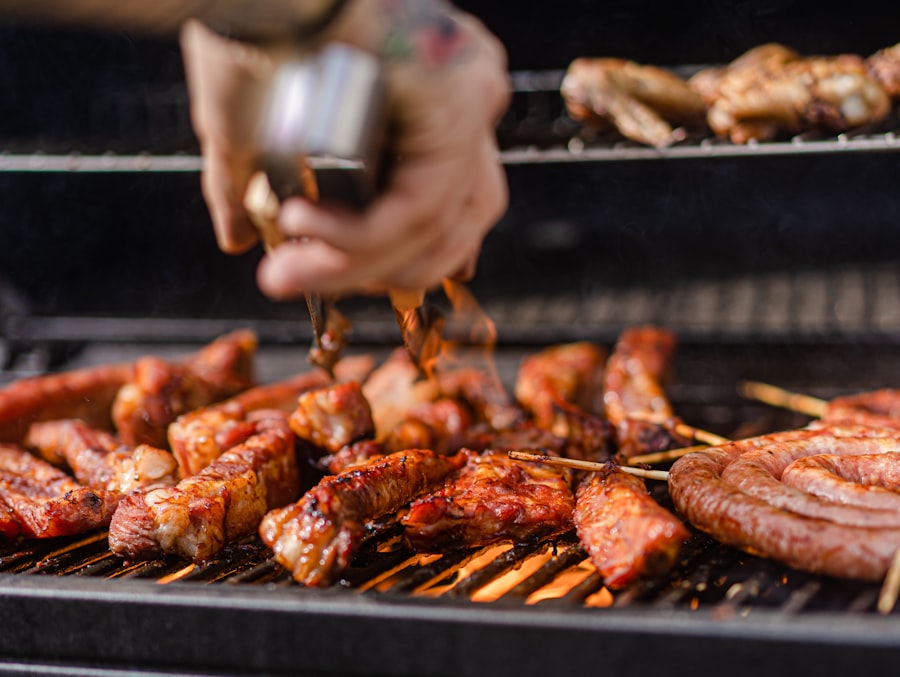
Let’s be honest, sometimes only a good piece of beef will satisfy that primal urge for a barbecue feast. When it comes to beef, we’re looking for cuts that can handle the heat and deliver that rich, meaty flavour we all crave.
Steaks: The Classic Choices
Steaks are the quintessential BBQ fare, and for good reason. They cook relatively quickly and offer a fantastic opportunity for that perfect sear.
- Ribeye: The undisputed king of marbling and flavour. The generous fat cap and intramuscular marbling mean ribeye is incredibly tender and juicy. Cook it hot and fast for a beautiful sear while keeping the inside perfectly pink.
- Sirloin: A great all-rounder. Sirloin offers a good balance of tenderness and flavour, and it’s usually a bit more budget-friendly than a fillet or ribeye. Again, aim for a good sear and don’t overcook it.
- Fillet (Tenderloin): The tenderest of the lot. Fillet is incredibly lean and has a very mild flavour, which is why it often benefits from a strong marinade or finishing sauce. Due to its leanness, it’s best cooked quickly to medium-rare to avoid drying out.
- Rump Steak: A more robust and flavourful option. Rump is generally a firmer cut, so it’s best to cook it to medium or medium-rare. It’s also a great cut for marinades.
Premium Beef Strategy: The Short Rib Short Cut
For those seeking that “cheffy” edge, short ribs offer an incredible depth of flavour and a luxurious mouthfeel.
- Short Ribs of Beef: Traditionally a slow-and-braised affair, short ribs can be brought to the barbecue arena with a clever two-step approach. The secret? Braise them in the oven first. This allows the tough connective tissues to break down into gelatin, making the meat incredibly tender. Apply a flavourful dry rub before the initial braise. Once they’re fall-off-the-bone tender (think several hours), you can finish them on the barbecue for their final 30 minutes. This imparts that essential smoky flavour and allows for some caramelisation without the risk of drying them out. It’s a game-changer for impressing your guests!
Burgers: The Heart of the BBQ Party
No barbecue is complete without burgers. But let’s talk about making yours truly magnificent.
- Burger Meat Quality: The Leaner, the Better (with a Twist!) This is where things get interesting. The latest advice for creating firm, flavourful burgers that don’t disintegrate on the grill is to avoid pre-fatty mince. Instead, opt for good quality lean minced beef. The magic happens when you add fat manually. Think about adding bone marrow for an incredibly rich, almost buttery texture, or finely mincing pork belly to incorporate that essential pork fat. This gives you control over the fat content and ensures a superior texture and taste. Aim for about 20% fat content in your final burger mix. Season generously and don’t overwork the meat when forming your patties.
The Pork Powerhouse: Beyond the Sausages
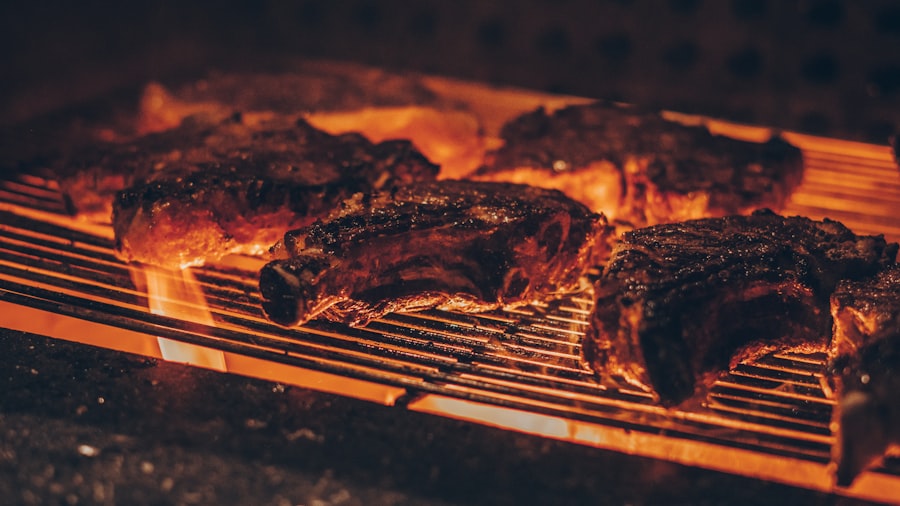
Pork is a BBQ hero, offering a fantastic range of cuts that excel on the grill, from quick-cooking chops to slow-and-steady ribs.
Ribs: The Crown Jewels of BBQ
Ribs are practically synonymous with barbecuing, and for good reason. They’re messy, they’re flavourful, and they’re a joy to eat.
- Pork Ribs (Baby Backs vs. St. Louis Style): Baby back ribs are from the upper back of the pig, closer to the spine. They are generally more tender and cook quicker. St. Louis style ribs are from the belly side of the pig, meaning they are flatter, meatier, and have more fat, which translates to more flavour and tenderness. Both benefit from a period of low and slow cooking to tenderise them, followed by a blast of heat (and often a glaze) on the BBQ. Remember to remove the membrane from the back of the ribs for a better texture.
Pork Chops: Simple Yet Satisfying
Pork chops can be a fantastic option for a quicker BBQ meal.
- Bone-in Pork Chops: Bone-in chops tend to be more flavourful and moisture-retaining than boneless. Thick-cut pork chops (around 1-1.5 inches) are ideal for grilling. They should be cooked to an internal temperature of around 145°F (63°C) for a juicy, tender result. Marinades work wonders here.
Pork Belly: The Indulgent Treat
Pork belly, with its glorious layers of fat and meat, is a decadent choice that, when cooked correctly, is absolute heaven.
- Scored Pork Belly: For BBQ, think of pork belly as a more flavour-packed, richer alternative to some pork chops. Score the skin deeply (if present) and the fat layers. Rub it liberally with herbs, spices, and salt. You can cook it more slowly over indirect heat to render out the fat and get it deliciously tender, then move it over direct heat for a crispy crackling finish. It’s a showstopper!
Sausages: The BBQ Staple
Let’s not forget the humble sausage, a beloved staple of any British BBQ.
- Quality Matters: When buying sausages, always go for the best quality you can afford. Look for higher meat content and fewer fillers. Higher fat content sausages will also be more forgiving on the grill and develop a better crust.
- Cooking Technique: Prick them sparingly, if at all, with a fork, or better still, don’t prick them. Pricking releases the delicious juices. Cook them over medium heat, turning regularly, until they’re beautifully browned and cooked through. Avoid high direct heat, which can burn the skins before the inside is cooked.
The Maverick Meats: Beyond the Usual Suspects
Fancy a bit of something different? The world of barbecue is vast and adventurous.
Lamb: A Taste of the Mediterranean
Lamb is a fantastic choice for grilling, offering a rich, distinctive flavour that pairs wonderfully with herbs.
- Lamb Chops (Loin or Chump): Lamb loin chops are lean and tender, similar to a small T-bone steak. Chump chops are from the rear of the lamb and are a bit more flavourful and slightly less tender. Both benefit from a good marinade, perhaps with rosemary, garlic, and lemon.
- Lamb Skewers (Kofta): Minced lamb, mixed with spices like cumin, coriander, and chilli, and then formed onto skewers, is a superb BBQ option. The fat in the lamb helps keep the kofta moist and flavourful as they cook over direct heat.
Game Meats: For the Adventurous Palate
If you’re looking for something truly special and sustainable, consider game.
- Venison Steaks: Venison is lean and has a deep, earthy flavour. It’s best cooked quickly to medium-rare, much like a fillet steak. A marinade can complement its flavour beautifully.
- Duck Breast: Duck breast, with its rich fat layer, is a fantastic candidate for the grill. Score the fat cap and render it slowly over medium heat before searing the meat side. The skin will become wonderfully crispy.
The Finishing Touches: Rubs, Sauces, and Resting
You’ve chosen your perfect cuts, that’s fantastic! But the journey to BBQ perfection doesn’t end there. The way you prepare and finish your meat is just as important as the cut itself.
The Magic of Dry Rubs and Marinades
These are your secret weapons for flavour penetration and tenderisation.
- Dry Rubs: A dry rub is a mixture of herbs, spices, sugar, and salt that you apply to the surface of the meat before cooking. The sugar in the rub helps caramelise, creating a beautiful crust, while the spices infuse flavour deep into the meat. Apply your dry rub at least 30 minutes before cooking, or even overnight for larger cuts, to allow the flavours to meld beautifully.
- Marinades: A marinade typically includes an acidic component (like vinegar, citrus juice, or yogurt) to help tenderise the meat, oil for moisture and flavour transfer, and aromatics like garlic, herbs, and spices. Marinate your meat for at least a few hours, or even overnight. Remember to discard any leftover marinade after it’s been in contact with raw meat.
The Sauce Strategy: When to Apply
This is a common pitfall that can lead to burnt, sticky disappointment.
- BBQ Sauces: Apply Them Late! This is crucial advice. Full of sugar, BBQ sauces tend to burn easily. Your best bet is to apply your chosen BBQ sauce only after (or in the final few minutes before) the meat reaches its desired doneness. This allows you to create that sticky, irresistible glaze without turning your beautiful meat into a charcoal briquette. Reserve some sauce for serving too!
The Crucial Rest: Don’t Skip This Step!
This is arguably the most overlooked, yet most important, step in achieving succulent, juicy meat.
- Resting Meat: Regardless of the cut or how you’ve cooked it, resting your meat for 5–10 minutes after grilling is absolutely crucial. When meat cooks, the muscle fibres contract and squeeze out the juices. Resting allows those fibres to relax and redistribute the juices back throughout the cut. If you slice into it immediately, all those delicious juices will run out onto your plate, leaving you with dry meat. Tent it loosely with foil and let it do its thing – you’ll be rewarded with a far juicier, more flavourful result.
Timing is Everything: When and How to BBQ
When should you fire up the grill? It’s not just about the weather being nice. Modern thinking suggests a few interesting factors.
The Dew Point Debate
Surprisingly, the “best” time to start your BBQ season isn’t just dictated by a thermometer hitting a certain temperature.
- Dew Point as a Guide: Experts are now suggesting that the dew point can be a more accurate indicator of stable grilling weather. The optimal range for consistent cooking conditions is reportedly between 45°F–58°F (7°C–14°C). This meteorological marker can help you avoid those days when the temperature might be warm, but the humidity is all over the place, leading to unpredictable cooking.
The Tuesday Advantage?
This might sound a bit quirky, but statistically, there’s a bit of an argument for firing up the grill mid-week.
- Tuesdays for Consistency: Believe it or not, Tuesdays have been observed to show 19% higher cooking consistency than weekend days. The theory? More stable weather patterns and less commercial pressure compared to the often frantic weekend rush. If you can get away with it, consider a Tuesday BBQ! It might just mean a more relaxed and successful cook.
So there you have it. The ultimate guide to BBQ season, from picking the perfect cuts to ensuring they’re cooked to perfection. Remember, barbecuing is about more than just the food; it’s about good company, sunshine, and the sheer joy of creating something delicious over an open flame. Now, go forth and grill!