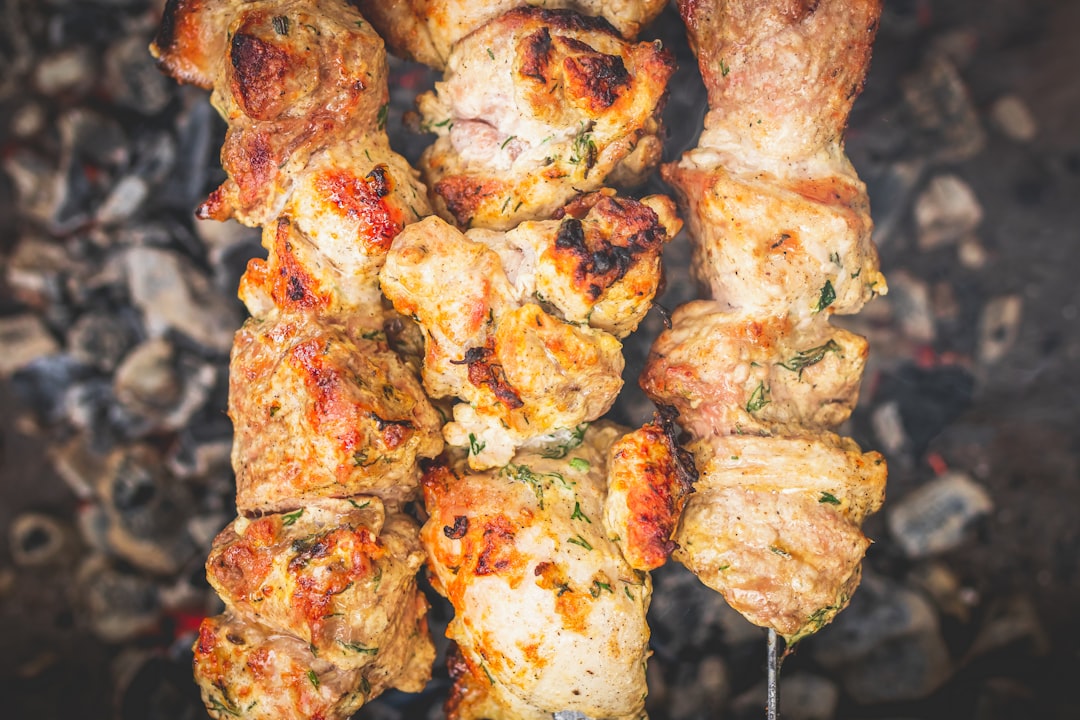
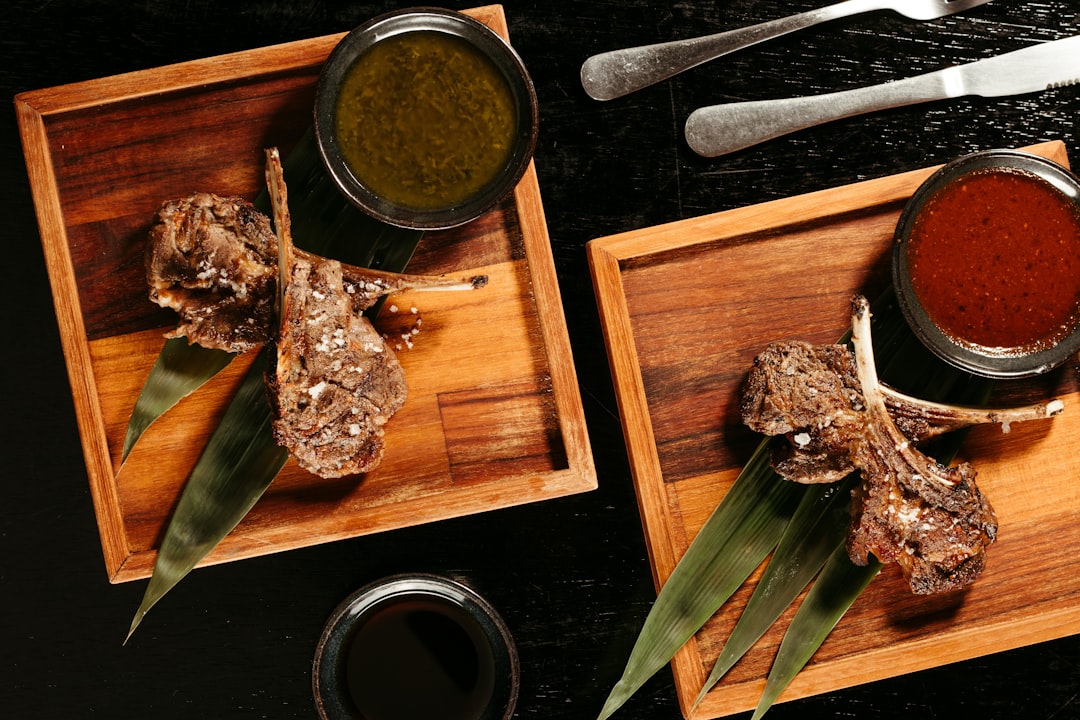
Slow cookers and Crockpots are fantastic kitchen appliances. They’re brilliant for busy people, allowing you to chuck in ingredients in the morning and have a tender, flavourful meal ready by dinnertime with minimal fuss. The magic of these appliances lies in their ability to break down tougher cuts of meat over long, low-temperature cooking periods, transforming them into meltingly tender delights. But which cuts are best suited for this gentle approach? As a UK-based Foodie expert and content creator, I’m here to guide you through the best choices, ensuring your slow cooker dishes are a triumph every time.
The principle behind slow cooking is simple: low and slow heat. This method is particularly effective for cuts of meat that are naturally tougher. These cuts often come from muscles that do a lot of work on the animal, meaning they have more connective tissue, like collagen.
The Role of Connective Tissue
Connective tissue, primarily collagen, is the key player here. In normal cooking methods, like grilling or frying, high heat can cause collagen to tighten and toughen, making the meat chewy. However, in a slow cooker, the extended cooking time at a low temperature allows collagen to gradually break down into gelatin. Gelatin is a much softer, more gelatinous substance that coats the meat, adding moisture and a rich, unctuous texture. This is why cuts that might be tough and unappealing when quickly cooked become incredibly succulent and flavourful with slow cooking.
Moisture Retention is Key
Slow cookers are generally sealed environments, which means they retain a significant amount of moisture. This is crucial for slow-cooked meat. Unlike open cooking methods where moisture can evaporate, the slow cooker effectively steams the meat in its own juices and any added liquid, preventing it from drying out. This is especially beneficial for leaner cuts that might struggle to stay moist during longer cooking times.
Flavour Development
The long, gentle cooking process also allows flavours to meld beautifully. Aromatics like onions, garlic, herbs, and spices have ample time to release their essence and infuse into the meat and the cooking liquid. This deepens the overall flavour profile of your dish, creating complex and satisfying results that are difficult to achieve with quicker cooking methods.
The Undisputed Champions: Shoulder and Neck Cuts
When it comes to slow cooking, shoulder and neck cuts are often hailed as the crème de la crème. These are the workhorses of the slow cooker, consistently delivering exceptional results.
Pork Shoulder (Pork Butt/Boston Butt)
In the UK, we often refer to this as pork shoulder or sometimes pork butt. Whatever you call it, it’s a superb choice for slow cooking. It’s well-marbled with fat and has a good amount of connective tissue, making it ideal for braising and shredding.
Pulled Pork Perfection
Pork shoulder is the undisputed king of pulled pork. The fat renders down beautifully, enriching the meat, and the collagen melts into a tender, succulent texture that easily pulls apart with a fork. Whether you’re making a classic barbecue pulled pork or a more spiced version, pork shoulder will not disappoint. Aim for cuts with a good fat cap; this will provide moisture and flavour throughout the cooking process. When buying, look for “pork shoulder on the bone” or “boneless pork shoulder.” The bone can add extra flavour, but boneless is often easier to handle and shred afterwards.
Slow-Cooked Pork Shoulder Roasts
Beyond pulled pork, a slow-cooked pork shoulder can be served as a tender, flavourful roast. You can score the fat cap and rub it with herbs and spices before slow cooking for a wonderfully crispy crackling effect, although this requires a finish under a hot grill or in a very hot oven. The meat underneath will be incredibly moist and easy to carve into delicious slices or chunks.
Lamb Shoulder
Lamb shoulder is another exceptional cut for slow cooking, offering a rich, deep flavour that is wonderfully complemented by the slow cooking process. Like pork shoulder, it has a good fat content and plenty of connective tissue.
Meltingly Tender Lamb Shanks
While technically from the lower leg, lamb shanks are often grouped with shoulder cuts in terms of their suitability for slow cooking due to their high collagen content. Slow-cooked lamb shanks are a classic for a reason. The meat falls off the bone, and the surrounding sauce or gravy becomes rich and unctuous. This dish feels incredibly comforting and is perfect for a Sunday roast alternative or a hearty midweek meal. When purchasing, look for shanks that are a good size, and don’t be afraid of the connective tissue – it’s your friend here.
Lamb Shoulder Stews and Casseroles
Diced lamb shoulder is fantastic in stews and casseroles. It holds its shape reasonably well throughout the long cooking time but still becomes remarkably tender. The fat that renders out enriches the stew, creating a depth of flavour that is hard to achieve with leaner cuts. For a classic Irish stew or a hearty lamb and vegetable casserole, diced lamb shoulder is your go-to.
Beef Chuck Steak (Brisket Flat/Chuck Ribs)
In the UK, we often refer to beef chuck as ‘chuck’ or ‘blade’. This cut, from the shoulder area of the cow, is packed with flavour and has the kind of marbling and connective tissue that thrives in a slow cooker.
The Ultimate Pot Roast
Beef chuck steak is the ideal cut for a traditional pot roast. Slow cooked until fork-tender, it yields rich, moist meat that is perfect for slicing and serving with gravy and vegetables. The long cooking time allows the connective tissue to break down, making the meat exceptionally tender. Look for cuts with good marbling – the streaks of fat within the muscle – as this contributes to moisture and flavour. Many butchers will offer pre-cut “pot roast” pieces from the chuck.
Hearty Beef Stews and Casseroles
Diced or cubed beef chuck is the backbone of any good beef stew or casserole. It can withstand long cooking times without disintegrating and becomes wonderfully tender. The fat content provides a rich flavour, and the rendered collagen thickens the sauce, creating a luscious, satisfying dish. When buying for stew, ask your butcher for “stewing steak” or “braising steak,” which are typically from the chuck or similar cuts.
Beyond the Shoulder: Other Excellent Choices
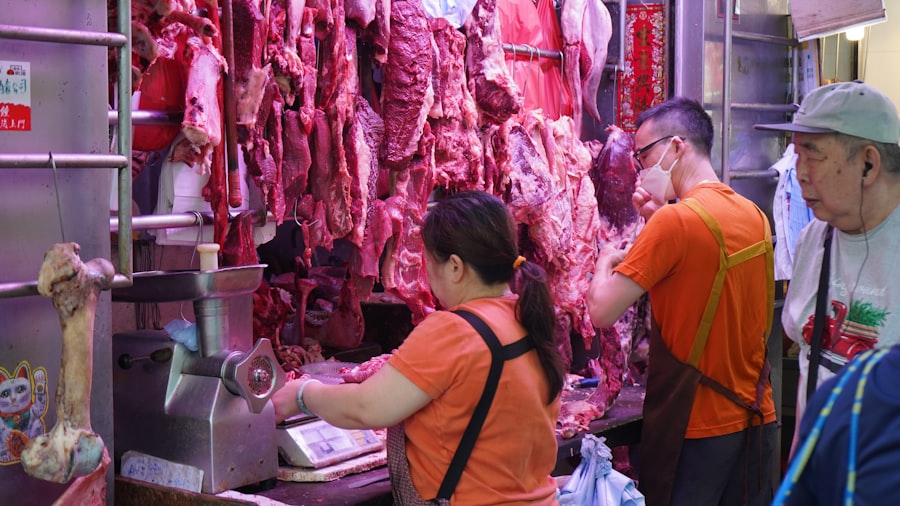
While shoulder and neck cuts are champions, several other cuts of meat can also deliver excellent results in a slow cooker. These might require slightly different approaches or are best suited for specific dishes.
Brisket (Flat and Point)
Brisket, particularly the flat cut, is a classic slow-cooked meat, famous for its use in barbecue. It’s a tougher cut with a significant amount of connective tissue and fat.
Slow-Cooked Brisket for Shredding
Brisket, especially when cooked low and slow for many hours, transforms into incredibly tender, flavourful meat that can be easily shredded. This is the cut that excels when you want a deeply satisfying, melt-in-your-mouth texture. The fat cap on the brisket renders down, basting the meat and adding immense flavour. For best results, trim some of the excess fat but leave a good layer for moisture and flavour. It’s often recommended to sear the brisket before slow cooking to build an extra layer of flavour.
Beef Curries and Chilli
Brisket is also superb in slow-cooked curries and chilli. The long cooking time breaks down the meat, allowing it to absorb the spices and flavours of the dish beautifully. The rendered fat adds a richness that is characteristic of authentic, slow-cooked curries and chillies.
Lamb Leg (Boneless)
While lamb leg is often associated with roasting, the boneless, rolled version can also perform well in a slow cooker, especially for dishes where you want tender, easily shredded meat.
Shredded Lamb for Tacos or Wraps
A boneless lamb leg, slow-cooked with herbs and spices, can be shredded and used as a filling for tacos, wraps, or even in a hearty salad. It won’t have the same intense gelatinous quality as shoulder or shank but will still be very tender and flavourful. Ensure it’s well-seasoned, as lamb leg is leaner than shoulder.
Lamb Stroganoff
A slow cooker can be a great way to tenderise lamb leg for dishes like stroganoff. Instead of browning chunks of lamb, you can slow cook them and then add them to the creamy mushroom sauce towards the end of the cooking time to finish. This ensures the lamb is already tender before it goes into the sauce.
Pork Belly
Pork belly is renowned for its high fat content, which, when slow-cooked, renders beautifully and contributes to incredibly moist and flavourful meat.
Crispy Slow-Cooked Pork Belly
While pork belly is often roasted for crispy crackling, slow cooking it first can make it incredibly tender. You can then finish it under a hot grill or in a very hot oven to crisp up the skin. The meat itself will be succulent and rich. This is a decadent treat that is surprisingly easy to achieve with a slow cooker.
Asian-Style Pork Belly Dishes
Pork belly is a star in many Asian cuisines. Slow cooking it in soy sauce, ginger, garlic, and star anise creates wonderfully tender, flavourful pieces that are perfect for serving with rice or as part of a noodle dish. The rendered fat adds a delicious depth to the sauce.
The Leaner Cuts: Where Caution is Needed
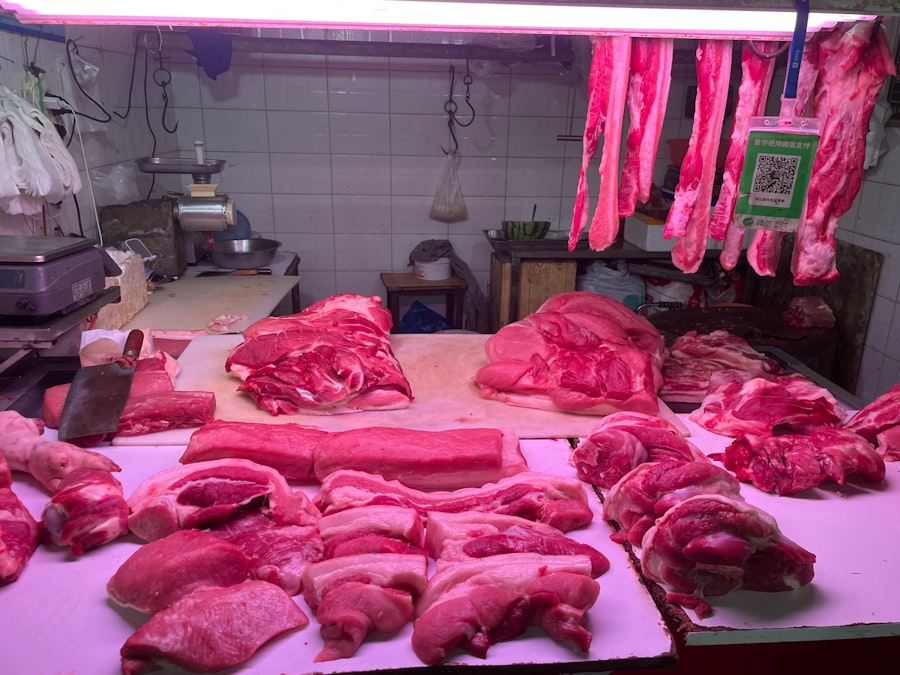
While many cuts benefit from slow cooking, leaner cuts require a more mindful approach. Without the marbling and connective tissue of tougher cuts, lean meats can dry out if not handled carefully.
Chicken Thighs (Bone-in or Boneless)
Chicken thighs are a much better choice for slow cooking than chicken breasts. They contain more fat and connective tissue, which keeps them moist and tender during the long cooking time.
Succulent Chicken Casseroles
Chicken thigh meat is ideal for casseroles and curries. It holds its shape well and remains moist and flavourful throughout the cooking process. Whether you’re making a creamy chicken and mushroom casserole or a spicy Thai-inspired chicken curry, thighs are the way to go.
Shredded Chicken for Tacos or Sandwiches
Slow-cooked chicken thighs shred beautifully, making them perfect for a variety of dishes. They are fantastic for making pulled chicken for tacos, sandwiches, or even for adding to salads. The dark meat ensures they don’t dry out.
Turkey Thighs
Similar to chicken thighs, turkey thighs are a more forgiving cut for slow cooking than turkey breast. They have more fat and connective tissue, contributing to moistness and flavour.
Hearty Turkey Stews
Turkey thighs can be diced and used in slow-cooked stews, providing a tender and flavourful alternative to beef or lamb. They absorb the flavours of the stew beautifully and remain moist.
Pulled Turkey for Sandwiches
Much like chicken thighs, slow-cooked turkey thighs can be shredded for use in sandwiches or other dishes where you want tender, flavourful pulled meat.
Cuts to Approach with Care (or Avoid)
Some cuts are simply not suited for slow cooking and are best left for other cooking methods.
Very Lean Steaks (Fillet, Rump)
Leaner cuts of steak, such as fillet or rump, are designed for quick cooking methods like grilling or pan-frying. The lack of fat and connective tissue means they will become tough, dry, and stringy if subjected to the long, low heat of a slow cooker. They simply don’t have the resilience to withstand this type of cooking.
Very Thin Cuts of Pork or Beef
Thinly cut pieces of pork loin or lean beef are also prone to drying out. They cook very quickly and don’t have the marbling or connective tissue to hold up to extended cooking without becoming desiccated.
White Fish (Cod, Haddock)
While some robust fish can be cooked in a slow cooker, delicate white fish like cod or haddock will disintegrate. The long, moist cooking environment is not suitable for these types of fish, and they are best enjoyed pan-fried, baked, or steamed.
Tips for Slow Cooker Success
Once you’ve chosen your cut of meat, a few extra tips can ensure your slow cooker meals are always a success.
Seasoning is Crucial
Don’t be shy with your seasoning. Because slow cooking involves a lot of liquid, some of the seasoning can be diluted. Ensure you season the meat well before it goes into the slow cooker, and consider seasoning your cooking liquid too. Herbs, spices, garlic, and onions are all great additions.
Searing for Flavour
For many cuts, particularly beef and pork, searing the meat in a hot pan before adding it to the slow cooker can significantly enhance the flavour. This browning process, known as the Maillard reaction, creates complex, toasty notes that add another dimension to your dish.
Don’t Overfill
It’s tempting to cram as much as possible into your slow cooker, but avoid overfilling it. The appliance needs space for the heat to circulate evenly. Aim to fill it no more than two-thirds full.
Trust the Process
Resist the urge to keep lifting the lid. Every time you remove the lid, you let out heat, significantly increasing the cooking time. Trust that your slow cooker is doing its job, and only lift the lid when absolutely necessary for a stir or to check for doneness.
By understanding the different cuts of meat and how they respond to slow cooking, you can unlock a world of tender, flavourful dishes. So, reach for those shoulder, neck, and chuck cuts, and get ready to enjoy the convenience and deliciousness of your slow cooker.