Hello there, fellow food lovers and aspiring culinary wizards! As your friendly neighbourhood UK Foodie expert and content creator, I’m absolutely thrilled to sink our teeth into a topic that often leaves people scratching their heads: how to cook lamb chops so they’re not just good, but truly tender and juicy. Forget those dry, tough, overcooked excuses for lamb chops you might have encountered in the past. We’re here to elevate your game, whether you’re rustling up a weeknight treat or impressing your mates at a weekend barbecue.
Lamb chops, when cooked correctly, are a thing of beauty. They boast a rich, earthy flavour, a delightful texture that practically melts in your mouth, and a versatility that makes them perfect for a surprising array of sides. But the key, as with all great things, lies in the method. So, grab a cuppa, get comfortable, and let’s dive deep into the world of succulent lamb chops.
Before we even think about turning on the hob, it’s crucial to understand what kind of lamb chops you’re working with. Just like us Brits have our regional accents, lamb chops come in different cuts, each with its own characteristics and ideal cooking methods. Knowing your cut is the first step towards achieving that tender, juicy perfection.
The Wonderful World of Lamb Chops: Cuts and Their Charms
- Loin Chops: Often dubbed the “mini T-bone” of the lamb world, loin chops feature a T-shaped bone with a generous portion of loin meat on one side and a smaller piece of tenderloin on the other. They are lean, quick to cook, and incredibly tender when treated right. Perfect for grilling or pan-frying.
- Rib Chops (Lollipops): These are perhaps the most iconic and visually appealing chops. With a long, elegant rib bone extending from a round of tender meat (often “frenched” for presentation), rib chops are incredibly flavourful and cook quickly. They are fantastic for individual servings, especially when pan-fried or grilled.
- Shoulder Chops: These chops are cut from the shoulder of the lamb, meaning they tend to be a bit tougher and have more fat and connective tissue. Don’t let that put you off! While they require a longer cooking time and benefit from techniques like braising or slow cooking, they offer a tremendous depth of flavour and incredible tenderness when cooked patiently. Think stews or oven baking here.
- Leg Chops (Steaks): Cut from the leg, these are often larger, thinner, and can include a piece of bone. Like shoulder chops, they can be a bit leaner and benefit from marinating or slightly longer cooking times than rib or loin chops. Great for grilling on the barbecue or pan-frying.
For the purpose of achieving consistently tender and juicy results with a relatively quick cook, we’ll mostly be focusing on loin and rib chops in this guide, as they are the most common and forgiving for general pan-frying and grilling.
Quality Matters: Sourcing the Best Lamb
Just like you wouldn’t use cheap, poor-quality tea bags for your morning brew (gasp!), don’t scrimp on your lamb. High-quality lamb, ideally from a reputable butcher or a supermarket known for its fresh meat, will make a world of difference. Look for lamb that is:
- Pinkish-red: The colour should be vibrant, not dull or grey.
- Well-marbled: A little intramuscular fat (marbling) is a good thing – it adds flavour and helps keep the meat moist during cooking.
- Firm to the touch: It shouldn’t feel slimy or watery.
- Responsibly sourced: Look for labels indicating grass-fed or free-range where possible. Not only is it better for the animal, but it often translates to better flavour.
Preparing Your Lamb Chops: The Secret to Succulence
Okay, you’ve got your beautiful chops. Now, before they even dream of hitting the heat, there are a few crucial steps that will pave the way for an unbelievably tender and juicy result. Think of it as the glorious preparation for a perfectly brewed cuppa an essential preamble!
Bringing Chops to Room Temperature: A Non-Negotiable Step
This is perhaps one of the most overlooked yet vital steps. Taking your lamb chops out of the fridge at least 20-30 minutes before cooking (longer for thicker chops) allows them to come closer to room temperature. Why is this so important?
- Even Cooking: A cold chop hitting a hot pan will seize up and cook unevenly. The outside will overcook while the inside struggles to reach temperature. Room temperature chops cook more uniformly, ensuring that lovely pink centre without overdoing the exterior.
- Better Searing: Cold meat can also “steam” rather than sear, hindering that gorgeous, flavourful crust we’re aiming for.
Patting Dry: The Crust Crusader
Once your chops have come to room temperature, pat them thoroughly dry with kitchen paper. This is another crucial step for achieving that irresistible golden-brown crust. Moisture on the surface of the meat will inhibit searing, leading to a grey, steamed exterior rather than a beautifully caramelised one. A dry surface means direct contact with the hot pan, resulting in faster and more effective browning.
Seasoning: Simple is Often Best
With quality lamb, you don’t need to go overboard with complex marinades unless you specifically desire those flavours. For a classic, tender, and juicy lamb chop, a good sprinkling of flaky sea salt and freshly cracked black pepper is often all you need.
- Salt: Salt not only enhances the natural flavour of the lamb but also helps to tenderise the meat slightly by breaking down some of the proteins. Apply it generously – don’t be shy!
- Pepper: Adds a lovely aromatic pungency.
For a little extra flavour, consider a very light dusting of:
- Garlic powder: A subtle hint of garlic without burning fresh garlic.
- Dried rosemary or thyme: Classic partners to lamb.
- Smoked paprika: For a touch of warmth and slight smokiness.
Apply your seasoning just before cooking, or shortly before letting them come to room temperature.
The Art of Cooking Lamb Chops: Mastering the Heat
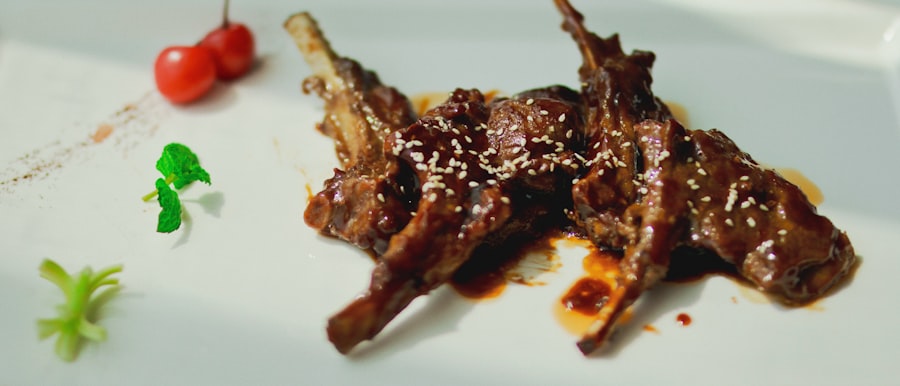
Now for the moment of truth! Whether you’re a fan of a good old pan-fry or prefer the smoky allure of the grill, the key to tender and juicy lamb chops lies in controlling the heat and understanding cooking times. This isn’t a race, it’s a careful dance!
Pan-Frying: Your Weeknight Warrior
Pan-frying is a fantastic method for achieving a beautiful crust and a tender interior, especially for loin and rib chops.
- Choosing Your Pan: A heavy-bottomed pan, like a cast-iron skillet or a good quality stainless steel pan, is your best friend here. It retains heat well and distributes it evenly.
- The Right Fat: A high smoke point oil is essential. Think rapeseed oil (canola oil), sunflower oil, or clarified butter (ghee). Avoid regular butter for initial searing as it will burn too quickly. Olive oil can also be used, but keep it on medium-high heat.
- Getting the Pan Hot (But Not Smoking): Heat your chosen fat over medium-high heat until it shimmers and just begins to smoke faintly. This high initial heat is crucial for achieving that lovely crust.
- Searing for Flavour: Carefully place your seasoned, room-temperature, and dry chops into the hot pan. Don’t overcrowd the pan – cook in batches if necessary to maintain pan temperature. Sear for 2-3 minutes per side for a good crust. You want a deep golden-brown colour.
- Reducing Heat and Finishing: After searing both sides, reduce the heat to medium-low. This is where we focus on cooking the interior to your desired doneness without burning the exterior. You can also add aromatics at this stage:
- Crushed garlic cloves: For a wonderful, mellow garlic flavour.
- Fresh rosemary or thyme sprigs: Their aromas infuse beautifully into the lamb.
- A knob of butter: Added in the last minute or two, a pat of butter can melt and create a beautiful basting liquid. Spoon this melted butter over the chops as they finish cooking.
- Cooking Times for Doneness (Guide):
- Rare: 2-3 minutes per side (internal temp 50-52°C / 125-130°F)
- Medium-Rare: 3-4 minutes per side (internal temp 54-57°C / 135-140°F) – Often considered ideal for lamb chops for tenderness and juiciness.
- Medium: 4-5 minutes per side (internal temp 60-63°C / 140-145°F)
- Note: These are guides. Thickness of chops and pan heat will vary. A meat thermometer is your best friend.
Grilling and Barbecuing: The Smoky Charms
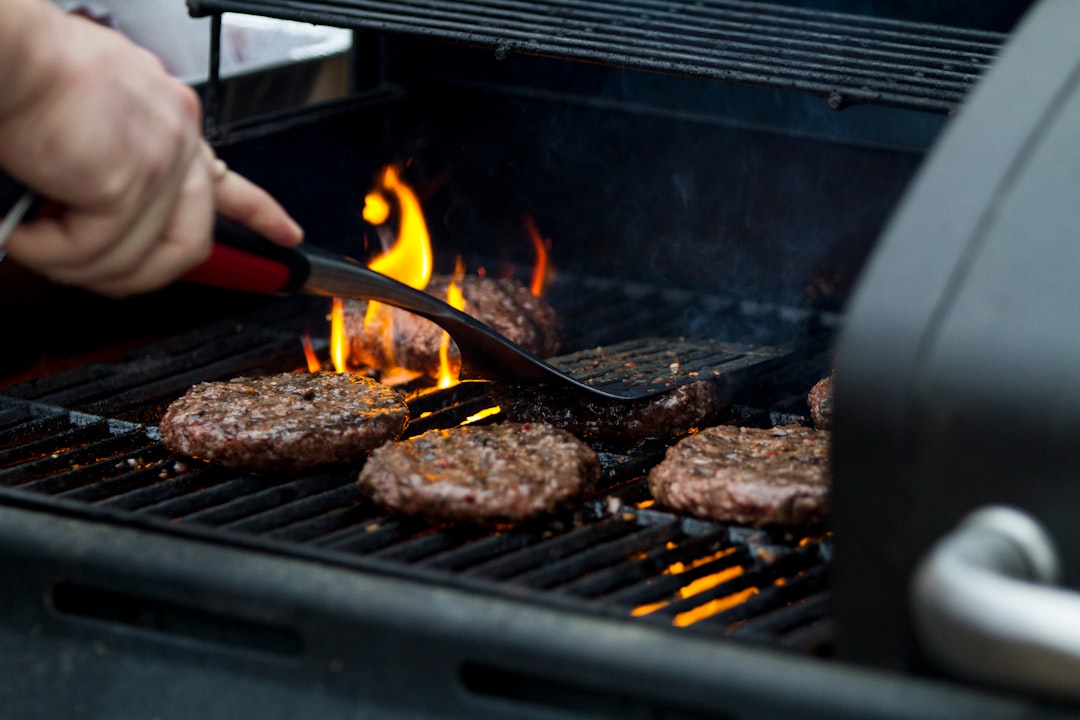
For that quintessential summer flavour, grilling (on a griddle pan indoors or on the barbecue outdoors) is a fantastic method.
- Preheat Power: Ensure your grill or griddle pan is screaming hot before placing the chops on. This is essential for good sear marks and preventing sticking. Lightly oil the grates or the chops themselves.
- Even Cooking is Key: Place your chops on the hot grill. Cook for 2-4 minutes per side, depending on thickness and desired doneness. Turn only once to achieve those beautiful crosshatch grill marks.
- Flare-Ups (on the barbecue): If cooking on a charcoal barbecue, be mindful of flare-ups, which can burn the chops. Move them to a cooler part of the grill if needed.
- Basting (Optional): Similar to pan-frying, a light brush of butter or a herb-infused oil during the last few minutes can enhance flavour and keep them moist.
The Crucial Resting Period: The Secret to Juicy Success
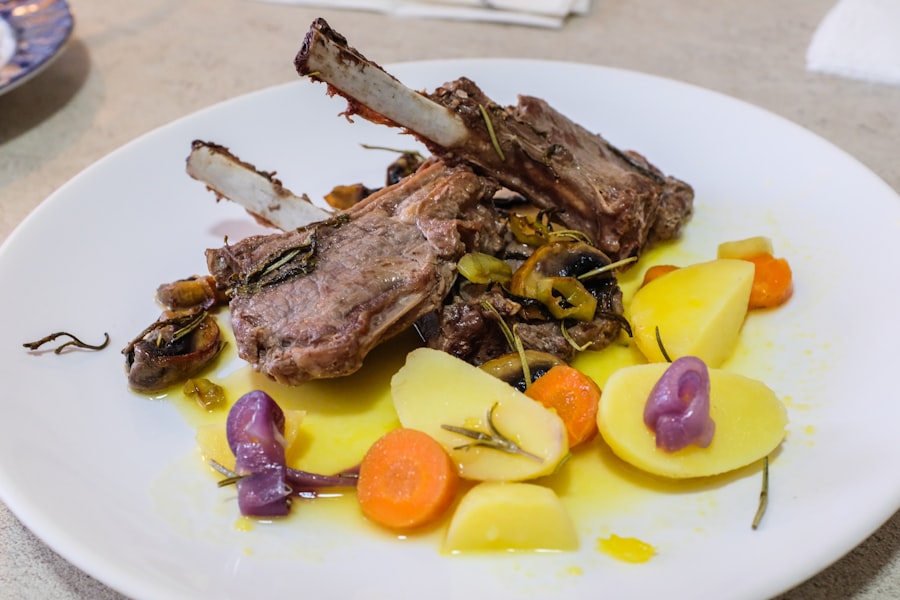
You’ve cooked your lamb chops beautifully. They’re fragrant, golden, and looking absolutely irresistible. But resist the urge to cut into them immediately! This next step is non-negotiable if you want truly juicy lamb chops.
Why Resting is So Important: The Science Bit
When meat cooks, its muscle fibres contract, forcing the juices towards the centre. If you cut into the chop straight away, those juices will gush out onto your plate, leaving you with a drier, less flavourful piece of meat.
- Juice Redistribution: Resting allows the muscle fibres to relax and reabsorb those delicious juices, redistributing them evenly throughout the chop. The result? A significantly juicier, more tender, and flavourful experience.
How to Rest Your Chops Properly
- Transfer to a Warm Place: As soon as your chops are cooked to your desired doneness, remove them from the pan or grill and place them on a warm plate or cutting board.
- Tent with Foil: Loosely tent the chops with aluminium foil. This helps to keep them warm without creating steam, which can make the crust soggy.
- Resting Time: For lamb chops, a resting time of 5-10 minutes is generally sufficient. Thicker chops might benefit from a slightly longer rest. During this time, the internal temperature of the chop will also continue to rise slightly (this is called “carryover cooking”), so bear that in mind when judging doneness.
Serving Your Masterpiece: Accompaniments and Final Touches
Congratulations! You’ve navigated the culinary journey and produced tender, juicy lamb chops. Now, it’s time for the grand finale.
Wonderful Accompaniments for Lamb Chops
Lamb chops are wonderfully versatile and pair well with a variety of sides. Here are a few quintessentially British (and universally loved) ideas:
- Mint Sauce: A classic pairing, the sharp, fresh tang of mint sauce cuts beautifully through the richness of the lamb.
- New Potatoes: Simple, boiled new potatoes with a knob of butter and fresh parsley are divine.
- Roasted Vegetables: Asparagus, green beans, cherry tomatoes, or roasted root vegetables (carrots, parsnips, potatoes) with a drizzle of olive oil, salt, and pepper make for a hearty and flavourful side.
- Couscous or Rice: A light, fluffy base to soak up any pan juices.
- Simple Salad: A fresh green salad with a vinaigrette dressing can offer a lovely contrast.
- Gravy/Pan Sauce: If you have lovely drippings in your pan, a quick and simple pan sauce made with a splash of red wine or stock, reduced slightly, can elevate the dish even further.
The Final Flourish: A Drizzle of Goodness
Just before serving, consider a final flourish:
- A drizzle of good quality extra virgin olive oil: Adds a fresh, peppery note.
- A sprinkle of flaky sea salt: A little added texture and burst of saltiness.
- Freshly chopped herbs: Parsley, chives, or a little fresh mint.
There you have it! From understanding your cuts to mastering the heat and embracing the resting period, you’ve now got all the tools in your culinary arsenal to cook lamb chops that are consistently tender and juicy. No more apologies for dry meat, just plate after plate of succulent, flavourful lamb that will have everyone clamouring for your secret. So go forth, cook with confidence, and enjoy the glorious taste of perfectly cooked lamb chops. Happy cooking, everyone!