Right then, let’s talk steak! As a seasoned Foodie bod and content chap here in the UK, I’ve spent a fair bit of time dissecting what makes good content, and by extension, what makes good food. And when it comes to food, there’s one dish that reigns supreme in many a British heart: a perfectly cooked, juicy steak.
But how do you go from standing in a bustling butcher’s shop, faced with a dazzling array of prime cuts, to walking away with a steak that’ll have you singing its praises? It’s not just about grabbing the first thing that catches your eye. Choosing the perfect steak is an art, a science, and frankly, a bit of an adventure. And who better to guide you through it than someone who understands the nitty-gritty, from the animal right through to the plate? That’s where your friendly neighbourhood butcher comes in, and today, I’m going to spill the beans – or rather, the steak secrets – on how to choose the perfect steak, a butcher’s guide to elevate your dining experience.
The Importance of a Good Butcher: Your Culinary Compass
Let’s start with the absolute bedrock of steak perfection: your butcher. In this age of supermarket convenience, it’s easy to forget the invaluable expertise that a skilled butcher brings to the table. They’re not just folks who wield sharp knives; they’re custodians of quality, with an encyclopaedic knowledge of cuts, breeds, and the subtle nuances that make one steak sing and another… well, just lie there.
Building a Relationship: More Than Just a Transaction
Think of your butcher as your culinary compass. They can guide you, advise you, and even help you discover new favourites. Don’t be shy! A good butcher will be delighted to share their knowledge.
Don’t Be Afraid to Ask Questions
Seriously, ask everything! “What’s good today?” is just the start. Ask about the provenance of the meat, how it was raised, and particularly, how long it’s been aged. They’ll be able to point you towards the cuts that are at their peak.
Tailoring Your Choice to Your Palate
Tell them what you like! Are you a fan of intensely savoury, melt-in-your-mouth textures? Or do you prefer something with a bit more bite and a robust flavour? Your butcher can recommend cuts that align with your personal preferences.
Understanding the Value of Quality
Yes, a good steak might cost a little more than a pack from the supermarket. But you’re paying for superior quality, flavour, and an experience that’s worlds apart. It’s an investment in a truly memorable meal.
The Visual Feast: What to Look For on the Display
Once you’ve got a good butcher in your corner, it’s time to talk about what you’re actually looking at. Just like judging a piece of art, there are visual cues that tell you a lot about the potential of a steak. This is where your eyes become your first line of defence against a disappointing dinner.
Colour Me Confident: The All-Important Hue
The colour of a steak is a critical indicator of its freshness and quality. You want to see a vibrant, inviting hue that speaks of good health and careful handling.
Go for the Deep Cherry Red
The ideal colour for a good steak is a deep, cherry-red. This signifies that the meat is well-oxygenated and has been handled correctly. It’s a sign of vitality.
Spotting the Red Flags: What to Avoid
Steer clear of steaks that are a dull brown, greyish, or have dry, crusty patches. These can indicate the meat is older, has been exposed to air for too long, or hasn’t been stored properly. While some darkening can occur due to oxidation, excessive dryness or a truly brown appearance is usually a bad sign. Also, be wary of any sliminess; fresh meat should feel firm and not slick.
Marbling Magic: The Intricate Art of Fat Distribution
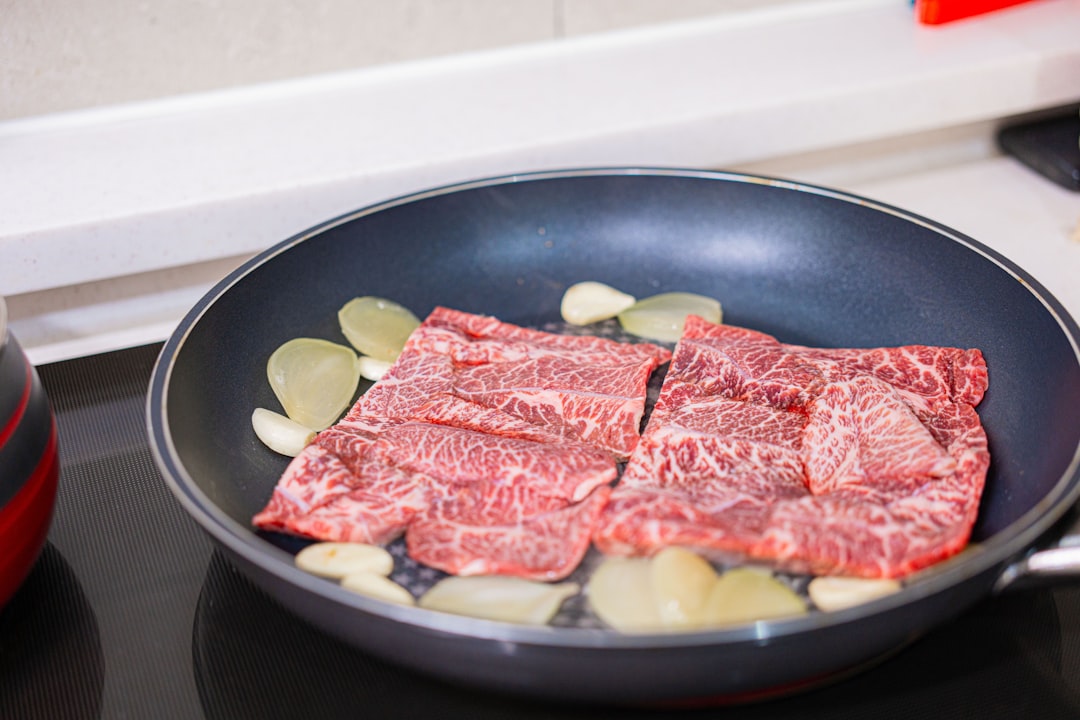
This is arguably one of the most crucial factors in achieving a succulent and flavourful steak. Marbling refers to the thin, white streaks of fat dispersed throughout the muscle of the meat. It’s not fat you’ll trim off; it’s the secret ingredient to a sublime steak.
The Beauty of Fine, White Streaks
Look for fine, intricate white streaks of intramuscular fat. This marbling is like nature’s own basting system. As the steak cooks, these fat deposits melt, lubricating the meat and imparting incredible flavour and tenderness.
Why Marbling Matters So Much
The more even and dispersed the marbling, the better the flavour and moisture retention will be. It’s the difference between a dry, chewy piece of meat and a juicy, flavourful delight. Think of it as tiny flavour pearls scattered throughout your steak.
Avoiding the Blocs: What Marbling Isn’t
Be mindful of large, solid chunks of fat, particularly on the exterior. While some fat is good, large deposits can be off-putting and won’t melt and distribute as effectively as fine marbling. You’re looking for an integrated network, not distinct lumps.
Freshness is Key: Beyond the Pretty Picture
While visuals are important, there are other sensory cues that tell you whether a steak is at its best. Trust your nose and your touch – they’re often more reliable than appearances alone.
The Smell Test: A Nose for Quality
Your sense of smell is a powerful tool in the kitchen, and it’s no different when choosing a steak.
A Clean, Fresh Aroma is What You Want
A fresh steak should have a clean, almost slightly sweet smell. It shouldn’t smell off, sour, or overpowering. If it has a strong, unpleasant odour, it’s best to walk away.
Avoiding the “Funny” Smell
Any hint of ammonia, a metallic tang, or a general “off” smell is a definite no-go. Butchers take pride in their meat, and a good one will have it stored in a way that preserves its natural, pleasant aroma.
The Touch Test: Firmness and Feel
The texture of the meat can also give you clues about its freshness and quality.
A Firm, Resilient Feel
When you gently press the steak, it should feel firm and spring back. This indicates good muscle tone and freshness.
What Sliminess Signifies
Avoid anything that feels slimy or sticky. This can be a sign of bacterial growth and spoilage.
Packaging Pointers: What the Pack Can Tell You
If you’re buying pre-packaged steak, take a moment to scrutinise the packaging itself.
Liquid Levels Can Be a Warning
Some liquid in the bottom of the package is normal, as meat does contain moisture. However, excessive amounts of cloudy, reddish liquid can indicate that the meat has been frozen and thawed, or that it’s not as fresh as it could be.
Tears and Bloating Mean Trouble
Inspect the packaging for any tears or punctures, which can compromise the freshness and introduce air. Also, be wary of any packaging that appears to be “bloated” or puffed up, as this can sometimes be a sign of bacterial action.
The Thickness Factor: A Matter of Culinary Engineering
When it comes to steak, size – specifically thickness – truly does matter for cooking success and that all-important flavour.
The Sweet Spot: 1.5 to 2 Inches Thick
For most cuts, a steak that’s around 1.5 to 2 inches thick is the sweet spot. This generous thickness allows for a beautiful sear on the outside while ensuring the inside cooks to your desired doneness without becoming overcooked or dry.
Even Cooking is Paramount
Thicker steaks are more forgiving. They allow you to develop a delicious crust through high-heat searing, while the centre remains perfectly pink and juicy.
The Challenge of Thin Steaks
Very thin steaks can be challenging to cook well. They tend to cook through too quickly, making it difficult to achieve a good sear without overcooking the interior. While they have their place, for that classic steak experience, thickness is your friend.
The Age-Old Secret: Understanding Meat Aging and Sourcing
This is where you really start to elevate your steak game from good to legendary. Aging and knowing the source of your meat aren’t just buzzwords; they’re fundamental to unlocking optimal flavour and texture.
The Significance of Aging: Developing Depth of Flavour
Meat aging is a process where beef is allowed to rest under controlled conditions for a period of time. This isn’t about letting it go off; it’s a deliberate process that breaks down connective tissues and enzymes, leading to increased tenderness and a more intense, complex flavour.
Dry-Aged Beef: The Gold Standard for Flavour
For many connoisseurs, dry-aged beef is the pinnacle of steak perfection. This is where whole cuts are aged in a carefully controlled environment for an extended period, typically 21 days or more. During this time, moisture evaporates, concentrating the flavour and creating a unique, nutty, and deeply savoury taste. The longer it’s aged, the more pronounced these flavours become.
Wet-Aging: A Different Approach
While dry-aging is often preferred for its flavour development, wet-aging is another common method where meat is vacuum-sealed and aged in its own juices for a shorter period. This also helps to tenderise the meat and can offer a slightly different flavour profile. Your butcher will be able to explain which method they use.
Sourcing Matters: From Farm to Butcher Block
Knowing where your steak comes from adds another layer of appreciation and can also be an indicator of quality.
The Importance of Breed and Diet
Different breeds of cattle have different fat-to-muscle ratios and flavour profiles. Similarly, their diet (grass-fed vs. grain-fed) significantly impacts the taste of the meat. Grass-fed beef often has a more robust flavour and a slightly different nutritional profile.
Building Trust with Your Butcher
A good butcher will be transparent about their sourcing. They’ll know the farms they work with and can tell you about the animals’ welfare and rearing practices. This knowledge not only builds trust but can also help you choose a steak that aligns with your ethical and flavour preferences.
Matching the Cut to Your Cooking Method: The Culinary Harmony
The “perfect” steak isn’t a one-size-fits-all concept. It’s about finding the right cut for the right occasion and, crucially, for your chosen cooking method.
Tell Your Butcher Your Plans!
This is perhaps the most important piece of advice I can give you. Don’t just point and hope for the best. Have a chat with your butcher about how you intend to cook your steak.
Grilling and Pan-Searing Warriors
For high-heat methods like grilling or pan-searing, cuts like ribeye, sirloin, and T-bone are excellent choices. Their inherent marbling and thickness mean they can withstand the intense heat and develop a beautiful crust while remaining juicy inside.
Braising and Slow-Cooking Stars
If you’re planning on slower, moister cooking methods, cuts like brisket or often lesser-known but equally delicious tougher cuts can be transformed into melt-in-your-mouth masterpieces. Your butcher can recommend these if you’re looking for something for a stew or a pot roast, which is technically a different conversation, but highlights the importance of matching.
The Best Steak for You? It Depends!
The “best” steak is subjective and heavily influenced by your preferred texture and flavour. A tenderloin will offer unparalleled tenderness but a subtler flavour, while a ribeye will deliver a richer, more beefy taste. A sirloin offers a good balance of both. Explain these preferences to your butcher, and they’ll expertly guide you.
Beyond the Butcher’s Counter: Understanding Labels and Grades
While speaking with your butcher is paramount, sometimes labels and grading systems can offer an additional layer of assurance and help you make informed decisions, especially if you’re exploring new butchers or looking for specific qualities.
Decoding Steak Grading Systems
Various grading systems exist internationally to denote the quality of beef. While some are more prominent in certain regions, understanding them can provide valuable insights.
USDA Grades (Primarily US, but Influential)
You might see references to USDA Prime, Choice, or Select. USDA Prime is the highest grade, denoting exceptional marbling and tenderness. Choice is still high quality, while Select is leaner. While not directly applicable in the UK in the same way, these terms are often used to describe general quality levels you might find.
UK and Other Regional Certifications
In the UK, quality is often assured through breed associations and specific farming standards. Look out for labels that denote things like “Aberdeen Angus” or “Hereford,” which are known for their quality beef. Other countries have their own systems, such as MSA (Meat Standards Australia) certification, which is a comprehensive quality grading system.
Trust Your Butcher’s Expertise First
Ultimately, while labels can be helpful guides, they are not a substitute for the expertise of a good butcher. They know their products inside out and can guide you based on those internal standards and their knowledge of local farming.
So there you have it, my friends! Choosing the perfect steak is an inclusive and rewarding experience. By understanding what to look for, asking the right questions, and building a relationship with your local butcher, you’re well on your way to enjoying steak dinners that are not just meals, but true culinary triumphs. Happy steak hunting!