Right, let’s get down to the nitty-gritty of dry-aged beef. As a butcher, I’ve had my hands on countless cuts, from your everyday supermarket steak to the prime stuff that fetches a pretty penny. And when it comes to flavour, there’s a clear winner: dry-aged beef. It’s not just a fancy trend; there’s a science to it, a process that genuinely elevates the eating experience.
The Art of Patience: What Dry Ageing Actually Is
Before we dive into why it tastes better, let’s quickly clarify what dry ageing involves. It’s not just leaving a hunk of meat in the back of the fridge. Dry ageing is a controlled process where large cuts of beef are hung in a precisely regulated environment – think specific temperature, humidity, and airflow – for an extended period, typically from 21 days up to 60 or even 120 days. This isn’t for the faint of heart, or for those without the right setup.
During this period, several things happen. Firstly, a significant amount of moisture evaporates from the meat. This isn’t just water leaving; it concentrates the flavour. Secondly, and perhaps more importantly, natural enzymes within the beef get to work. These enzymes break down connective tissues and muscle fibres, tenderising the meat significantly. It’s a bit like a natural predigestion, making the meat incredibly soft and succulent.
It’s a process demanding expertise. Get it wrong, and you’re looking at spoiled meat, not a culinary delight. The butcher needs to understand the science, and have the right equipment, to ensure the meat ages safely and effectively.
The Moisture Loss Effect: Concentrated Flavour on Your Plate
One of the most immediate and impactful results of dry ageing is the reduction of moisture content. Imagine reducing a sauce to intensify its flavour – the same principle applies here, but with beef.
Less Water, More ‘Beefiness’
When you buy a fresh cut of beef, a significant portion of its weight is water. During the dry ageing process, this moisture slowly evaporates. As water leaves the muscle fibres, the remaining components – the proteins, fats, and flavour compounds – become more concentrated. This isn’t simply making the meat saltier or more intense in a raw sense; it’s about amplifying the inherent savoury, umami notes that we associate with good beef.
Think of it like comparing a diluted squash drink to a full-strength one. The underlying flavour is the same, but the concentration makes a world of difference to your palate. This intensified beef flavour is one of the hallmarks of a properly dry-aged steak. It’s a richer, deeper, and more pronounced taste that you simply won’t find in a piece of fresh beef.
A Crispier, More Flavourful Crust
The reduced moisture content also plays a crucial role in how the steak cooks. When you sear a fresh steak, a good amount of energy goes into evaporating the surface moisture before the Maillard reaction (the browning that creates those delicious crusty flavours) can truly kick in.
With dry-aged beef, there’s less surface moisture to contend with. This means that when it hits a hot pan, that desirable crust forms much more quickly and efficiently. This crust isn’t just about texture; it’s packed with complex, roasted, and nutty flavours that are a direct result of the Maillard reaction. The contrast between the deeply savoury crust and the tender, juicy interior is a significant part of the dry-aged appeal.
Enzymatic Breakdown: A Natural Tenderising Process
Beyond simply concentrating the flavour, the enzymatic action during dry ageing is absolutely crucial for the meat’s texture and overall eating quality. This isn’t an artificial softening; it’s a natural biological process.
Collagen and Connective Tissue Transform
Beef, particularly from older animals or less-used muscles, contains a good deal of collagen and other connective tissues. These are tough and chewy when undercooked. During dry ageing, naturally occurring enzymes within the muscle fibres, primarily proteases and calpains, begin to work their magic. They break down these complex proteins and connective tissues into simpler, more palatable compounds.
Imagine a tightly woven fabric slowly being unpicked and loosened. That’s essentially what’s happening at a microscopic level within the beef. This breakdown isn’t complete, of course, but it significantly reduces the resistance you feel when chewing. The result is a steak that practically melts in your mouth – a tenderness that’s hard to achieve with fresh beef, even from the most prime cuts.
Enhanced Juiciness (Despite Moisture Loss)
This might sound counter-intuitive, given that we just discussed moisture loss. However, the enzymatic breakdown actually contributes to a perception of greater juiciness. How? By tenderising the muscle fibres, the meat becomes less dense and more porous. This allows the rendered fat and natural juices to permeate the meat more thoroughly during cooking and chewing.
When you cut into a dry-aged steak, it doesn’t just release a pool of liquid; the meat itself often feels more moist and succulent, because the internal structure is less rigid and allows liquids to move more freely. It’s a different kind of juiciness compared to fresh beef, often described as more unctuous and rich.
Development of Umami Compounds
The breakdown of proteins by enzymes also leads to the formation of amino acids, particularly glutamic acid. Glutamic acid is a key component of umami, often described as a savoury, meaty taste. This is why dry-aged beef often has a much more profound and lingering umami flavour than fresh beef.
This development of umami contributes significantly to the overall ‘satisfying’ factor of dry-aged beef. It’s not just about tenderness or richness; it’s about that deep, pervasive savoury flavour that makes you want another bite.
Flavour Evolution: The Development of Unique Aromatics
This is where dry-aged beef truly distinguishes itself. It’s not just more beefy; it develops entirely new and highly prized flavour compounds that are absent in fresh beef.
Nutty, Cheesy, and Funky Notes
As the meat ages, a complex interplay of enzymatic reactions, fat oxidation, and microbial activity (on the surface layer, which is trimmed off) leads to the production of volatile aromatic compounds. These compounds are responsible for the distinctive flavour profile associated with dry-aged beef.
Many people describe these notes as nutty, earthy, or even subtly cheesy. Some discerning palates might even pick up notes akin to blue cheese, mushroom, or a slight, agreeable funk. This isn’t a sign of spoilage; it’s a sign of a successful dry-ageing process. These are complex, developed flavours that add layers of sophistication to the eating experience.
A More Complex Aromatic Profile
Unlike the relatively straightforward flavour of fresh beef, dry-aged beef offers a much more complex aromatic profile. This is often compared to aged cheese or fine wine, where time and controlled conditions allow for the development of nuances that simply aren’t present in their younger counterparts.
The combination of the concentrated natural beef flavour, the umami compounds, and these unique aromatic notes creates a truly distinctive taste. It’s a flavour that lingers on the palate, inviting contemplation and appreciation. This complexity is what aficionados truly seek out.
The Butcher’s Perspective: Why It’s Worth the Effort (and Cost)
From a butcher’s point of view, dry ageing is both an art and a science, demanding significant investment in time, space, and expertise. This naturally translates to a higher price point, but for good reason.
Yield Loss and Trimming
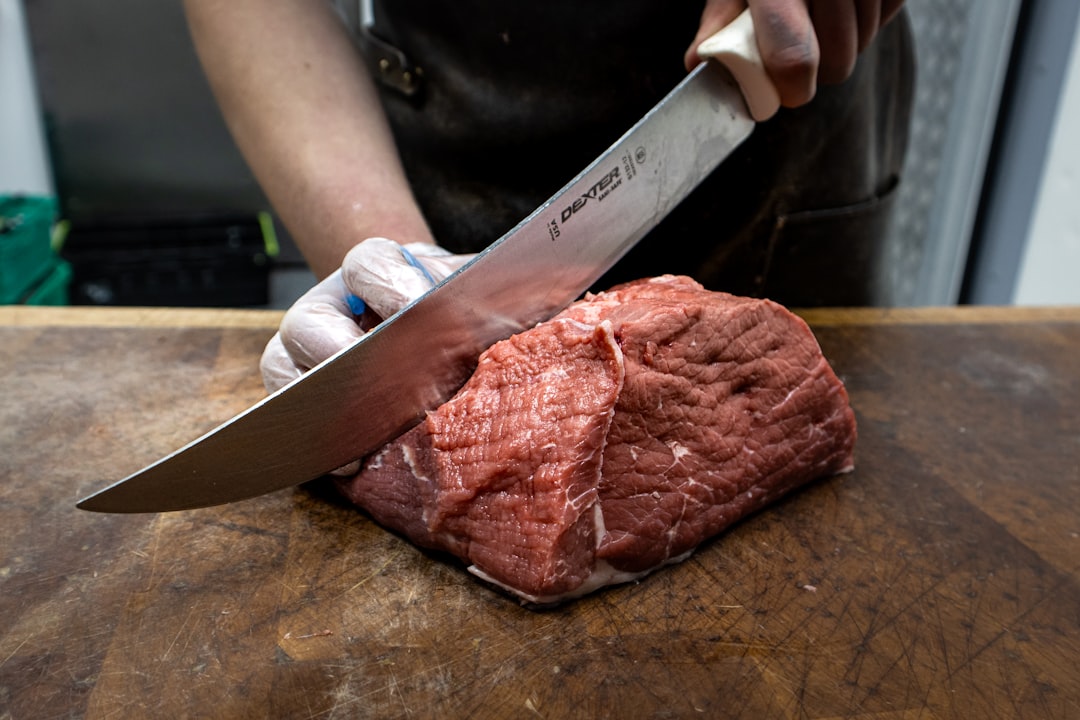
One of the biggest factors in the cost of dry-aged beef is the significant yield loss. As moisture evaporates, the overall weight of the meat decreases. More importantly, the exterior surface of the beef forms a dark, hardened ‘crust’ that needs to be meticulously trimmed off before the steaks are cut. This crust, while protective during ageing, is not edible and represents a substantial loss of product.
For example, a primals or sub-primals could lose anywhere from 10-25% (or even more for very long ages) of their original weight due to moisture loss and trimming. This lost weight, of course, still contributes to the initial purchase cost of the beef, meaning the usable dry-aged meat effectively becomes more expensive per pound.
Specialised Equipment and Labour
Dry ageing requires specialised equipment: humidity-controlled refrigerators, precise thermometers, and often dedicated ageing rooms. This equipment isn’t cheap to purchase or to run. Furthermore, the process demands skilled labour. Butchers need to regularly inspect the meat, monitor conditions, and expertly trim the aged beef to ensure quality and safety. This meticulous handiwork and expertise also add to the overall cost.
A Premium Product for Discerning Tastes
Ultimately, dry-aged beef is a premium product. It’s for people who appreciate the finer things in life, who are willing to pay for a superior culinary experience. It’s not just “expensive beef”; it’s beef that has undergone a transformative process, resulting in a product that delivers unparalleled flavour and tenderness.
When you weigh up the concentrated flavour, the incredible tenderness, the unique aromatic development, and the significant investment in the process, it becomes clear why dry-aged beef commands a higher price. It’s not about hype; it’s about a genuinely superior product that offers a distinctly elevated eating experience compared to its fresher counterparts.
Conclusion: A Culinary Journey Worth Taking
So, there you have it. Dry-aged beef isn’t just a buzzword in the culinary world; it’s a testament to the power of controlled time and natural processes. From the subtle intensification of flavour through moisture loss to the profound tenderisation and aromatic development brought about by enzymatic action, every step contributes to a steak that is remarkably different and, for many, unequivocally better.
As a butcher, I see the effort that goes into creating these masterpieces. It’s a labour of love, a blend of tradition and science, all aimed at delivering an exceptional meal. If you’ve never tried dry-aged beef, I wholeheartedly recommend seeking it out. It’s a culinary journey that promises a depth of flavour and a texture that will redefine your perception of what a truly great piece of beef can be. It’s more than just a meal; it’s an experience.