Welcome, fellow food enthusiasts and slow cooker aficionados! As a UK-based SEO expert and content creator, I’m often tasked with presenting complex information in an engaging yet clear manner. Today, we’re diving into the culinary equivalent of an SEO deep dive: the ultimate slow cooker barbecue pulled pork. This isn’t just a recipe; it’s a methodology, a science of flavour extraction and texture transformation, designed to deliver consistently exceptional results. Think of it as optimising your meal for maximum deliciousness, ensuring every bite is a high-ranking success.
The Allure of Pulled Pork: A Culinary Deep Dive
Pulled pork, in its essence, is a triumph of time and low temperatures. Originating from the American South, it’s a dish that has transcended its regional roots to become a global favourite. The concept is simple: take a tough cut of meat, apply heat slowly over an extended period, and watch as it transforms into succulently tender strands that pull apart with minimal effort. This process is akin to how complex algorithms break down vast datasets – patience and persistence yield remarkable outcomes.
For the UK palate, pulled pork offers a versatile canvas. It can be sweet, smoky, spicy, or a harmonious blend of all three. Whether served in a brioche bun with creamy coleslaw, alongside jacket potatoes, or as a component of a heart-warming chilli, its adaptability is a key aspect of its enduring appeal. It’s the culinary chameleon of the meat world, able to seamlessly integrate into various meal concepts.
Understanding the Core Components: The Anatomy of Flavour
Before we delve into the step-by-step process, it’s crucial to understand the foundational elements that contribute to a truly ultimate pulled pork. Just as a strong website requires robust back-end infrastructure, your pulled pork needs a solid flavour architecture.
Choosing Your Cut: The Prime Candidate
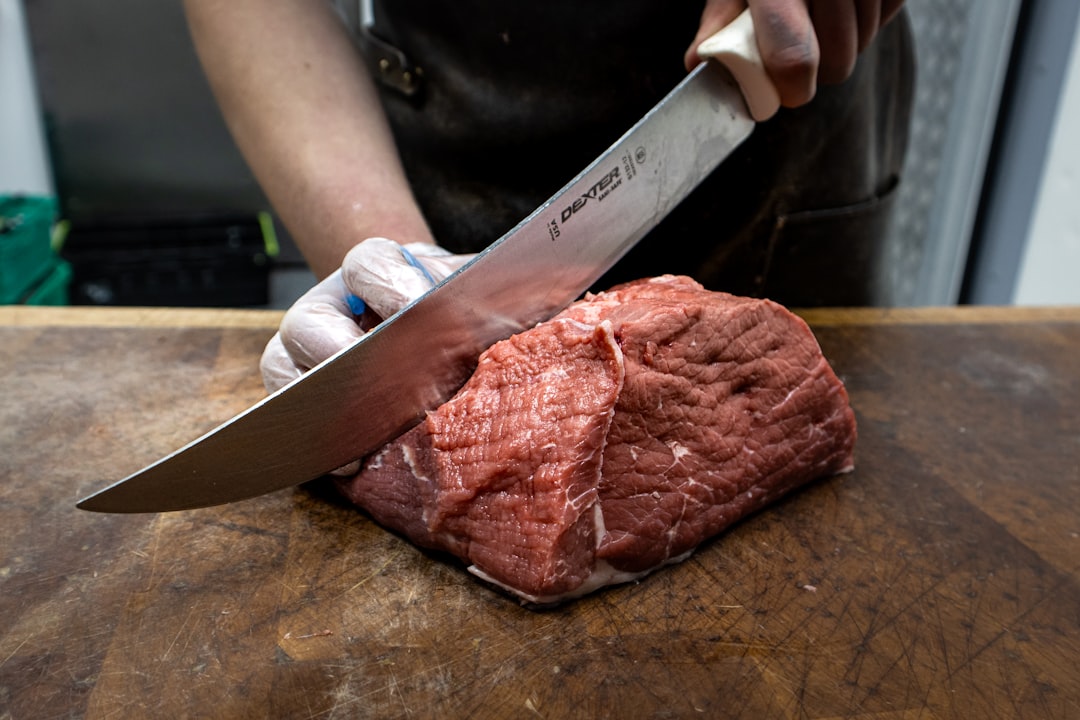
The cornerstone of any outstanding pulled pork is the meat itself. For slow cooking, the objective is to select a cut rich in connective tissue and intramuscular fat, as these elements break down during the long cooking process, rendering the meat incredibly tender and moist.
- Pork Shoulder (Boston Butt/Pork Butt): In the UK, this is often referred to simply as pork shoulder or, more specifically, a “pork hand and spring.” In the US, it’s known as a Boston Butt or Pork Butt, despite not coming from the rear of the pig. This cut is the undisputed champion for pulled pork. Its generous marbling and bone, if present, contribute significantly to flavour and moisture retention.
- Pork Leg: While leaner, pork leg can be used, but it will require more careful management to prevent it from drying out. It’s generally not recommended for the “ultimate” experience due to its lower fat content.
- Pork Belly: While delicious in its own right, pork belly is too fatty for traditional pulled pork. However, a small amount could be included for an extra hit of richness.
When selecting your pork shoulder, aim for a piece weighing between 1.5kg and 2.5kg. Look for good marbling – streaks of fat running through the lean muscle – as this is your guarantee of succulence. If you can find it bone-in, even better, as the bone imparts additional flavour during cooking.
The Rub: A Foundation of Flavour
The dry rub is the first layer of flavour, a pre-emptive strike of seasoning that penetrates the meat as it cooks. Think of it as on-page SEO for your pork – optimising the content for maximum impact. A good rub typically contains a balance of sweet, savoury, and sometimes spicy elements.
- Sweet Components: Brown sugar (light or dark) is common, as its molasses notes complement pork beautifully and aid in caramelisation. Paprika (sweet or smoked) also contributes a subtle sweetness and an attractive colour.
- Savoury Components: Salt (crucial for seasoning and drawing out moisture), black pepper, garlic powder, onion powder are standard inclusions. Cumin adds an earthy depth.
- Spicy Components (Optional): Chilli powder, cayenne pepper, or a pinch of smoked chipotle powder can introduce a pleasant warmth. Adjust to your preference – remember, you’re building layers, not overwhelm.
The application of the rub is key. Ensure the entire surface of the pork is thoroughly coated. This isn’t a delicate dusting; it’s a liberal application, patting the rub into the meat. Allow the rubbed pork to rest, ideally for at least an hour at room temperature or, even better, overnight in the refrigerator. This “dry brining” process helps the flavours meld and the salt to penetrate deeply, leading to more tender and flavourful results.
The Barbecue Sauce: The Finishing Flourish
The barbecue sauce is the final, defining characteristic of your pulled pork. While the slow cooking process focuses on tenderness, the sauce brings the quintessential smoky, tangy, and sweet notes that are synonymous with barbecue. Think of it as the conversion element of your content – it seals the deal.
- Tomato-Based: Classic North American barbecue sauces often use a ketchup or tomato paste base.
- Vinegar-Based: Tangier sauces, particularly from the Carolinas, rely heavily on vinegar for their distinctive bite.
- Mustard-Based: South Carolina also boasts mustard-based sauces, offering a piquant flavour profile.
For this “ultimate” recipe, we’ll lean towards a balanced, slightly sweet and smoky tomato-based sauce, universally appealing and delicious. You can, of course, use your favourite store-bought sauce, but crafting your own allows for unparalleled customisation and a deeper flavour profile. Key ingredients typically include ketchup, apple cider vinegar, Worcestershire sauce, brown sugar, smoked paprika, and a touch of liquid smoke (if you don’t have natural smoke flavour from grilling).
The Methodology: A Step-by-Step Guide to Perfection
Now that we understand the constituent parts, let’s embark on the practical application. This guide is meticulous, designed to remove guesswork and ensure a consistently delicious outcome.
Step 1: Preparing Your Pork and the “Dry Brine” (Overnight Advantage)
Congratulations, you’ve chosen a magnificent pork shoulder. Now, let’s prepare it for its flavour journey.
- Examine the Meat: Trim any excessively thick pieces of fat from the exterior, but leave a good layer as it will render down and add moisture. Some butchers leave a thick “fat cap” – if it’s over 1cm, trim it back.
- Apply the Rub: In a bowl, combine your chosen dry rub ingredients. Ensure generous amounts, as the pork needs to be thoroughly coated. Pat the rub firmly onto all surfaces of the pork shoulder. Don’t be shy; aim for full coverage.
- Rest and Penetrate: Place the rubbed pork in a large bowl or baking dish, cover tightly with cling film, and refrigerate for at least 8 hours, or ideally overnight (12-24 hours). This “dry brining” step is crucial for flavour development and meat tenderness. Think of it like letting your content sit overnight – it often benefits from a fresh perspective and deeper embedding.
Step 2: The Slow Cooker: Your Culinary Workhorse
The slow cooker is where the magic truly happens. It provides a consistently low and even heat, slowly breaking down the tough connective tissues in the pork shoulder.
- Searing (Optional but Recommended): While not strictly necessary for slow cooking, searing the pork shoulder on all sides in a hot pan (with a little oil) before placing it in the slow cooker adds an extra layer of flavour through the Maillard reaction – the browning provides rich, complex notes. This is like adding rich media to your content; it enhances the overall experience.
- Liquid Foundation: Pour a small amount of liquid into the bottom of your slow cooker. This could be chicken stock, apple cider, or even a shot of apple cider vinegar, which will add a subtle tang and help prevent scorching. Aim for about 150-200ml (approximately 1 UK cup). This base liquid creates a steamy environment, crucial for tenderisation.
- Place the Pork: Carefully transfer the seared (or unseared) pork shoulder into the slow cooker. Ensure it fits snugly, but not so tightly that the lid can’t sit properly. If using a bone-in shoulder, place it with the bone side down.
- Slow Cook Setting: Set your slow cooker to the “low” setting. This is critical. Resist the urge to use “high,” as this can dry out the meat and prevent the full breakdown of connective tissues. Low and slow is the mantra.
- Cooking Time: For a 1.5kg-2.5kg pork shoulder, allow 8-10 hours on low. A larger cut may require up to 12 hours. The pork is done when it is incredibly tender and easily pulls apart with two forks – it should feel like butter.
Step 3: Crafting the Barbecue Sauce: The Sweet & Tangy Embrace
While your pork is slowly transforming, you can prepare your barbecue sauce.
- Sauce Ingredients: In a saucepan, combine ketchup, apple cider vinegar, brown sugar, Worcestershire sauce, smoked paprika, garlic powder, onion powder, a pinch of cayenne pepper (if desired), and a touch of liquid smoke (if you’re not using naturally smoked pork).
- Simmer and Reduce: Bring the mixture to a gentle simmer over medium-low heat, stirring occasionally. Allow it to simmer for 15-20 minutes, or until the sauce has thickened slightly and the flavours have melded. Adjust seasoning to taste – you might want more sweetness, tang, or heat.
- Set Aside: Remove from heat and set aside until your pork is ready.
Step 4: Shredding and Saucing: The Grand Finale
This is the moment of truth, where all your patient efforts culminate.
- Test for Tenderness: Once the cooking time is complete, use two forks to gently probe the pork. It should easily shred and fall apart. If it offers resistance, allow it to cook for another hour.
- Remove from Slow Cooker: Carefully lift the pork shoulder out of the slow cooker and transfer it to a large, sturdy baking dish or cutting board. The remaining liquid in the slow cooker is packed with flavour; don’t discard it entirely.
- Shredding: Using two forks, shred the pork into desired strands. Remove any large pieces of fat that haven’t rendered down or any gristle. If you used a bone-in shoulder, the bone should slide out effortlessly.
- Strain the Juices: Skim any excess fat from the cooking liquid left in the slow cooker. You can strain this liquid through a fine-mesh sieve to remove any solids. This concentrated liquid is pure pork essence.
- Combine and Sauce: Return the shredded pork to the slow cooker (after emptying any remaining liquid you don’t wish to use for the sauce). Pour in your homemade barbecue sauce, along with about 150-200ml (1 UK cup) of the strained cooking liquid from the slow cooker. This adds incredible depth and keeps the pork moist.
- Stir and Heat Through: Stir everything together until the pork is thoroughly coated in the sauce. Turn the slow cooker back on to “warm” or “low” for another 30-60 minutes to allow the flavours to meld and for the pork to absorb the sauce. This final bathing in the sauce is critical.
Serving Suggestions: Unleash Your Creativity
Your ultimate slow cooker barbecue pulled pork is now ready to impress. Its versatility is one of its greatest strengths.
- Classic Pulled Pork Buns: Serve generously piled high in soft brioche buns with a dollop of creamy coleslaw and a few pickles. This is the archetypal presentation.
- Loaded Fries/Jacket Potatoes: Spoon over crispy fries or fluffy jacket potatoes with melted cheese, a sprinkle of fresh chives, and a dollop of soured cream.
- Tacos/Burritos: Use as a filling for soft tortillas with salsa, guacamole, and a squeeze of lime.
- Pizza Topping: A surprising but delicious addition to a homemade pizza.
- Salad Topper: Add a smoky, protein-rich element to a vibrant green salad.
Storage and Reheating: Extending Your Culinary Investment
One of the unsung heroes of slow-cooked pulled pork is its excellent keeping qualities. It’s a fantastic candidate for batch cooking or meal prepping.
- Refrigeration: Store leftover pulled pork in an airtight container in the refrigerator for up to 3-4 days.
- Freezing: For longer storage, freeze in airtight containers or freezer bags for up to 3 months. Thaw overnight in the refrigerator before reheating.
- Reheating: Gently reheat in a saucepan on the hob over low heat, adding a splash of stock or water if it seems dry. Alternatively, reheat in the microwave, stirring occasionally, until piping hot.
Troubleshooting: Navigating Potential Pitfalls
Even the best recipes can present minor challenges. Here are a few common issues and their solutions:
- Pork is Dry: This usually occurs if the cooking temperature was too high or the meat was too lean. Ensure you’re always cooking on a “low” setting for the recommended duration. Next time, choose a fattier cut like pork shoulder. Adding extra cooking liquid (stock/cider) or a little more barbecue sauce during the final stage can help mitigate dryness.
- Pork Isn’t Shredding Easily: This indicates the meat hasn’t cooked long enough. Simply continue cooking on “low” for another 1-2 hours until it pulls apart with minimal effort. Patience is paramount.
- Sauce is Too Thin/Thick: If too thin, simmer it gently for a bit longer to reduce. If too thick, add a little extra stock, water, or apple cider vinegar until it reaches your desired consistency.
- Flavour is Lacking: Next time, ensure you’re generous with the dry rub and allow sufficient time for the “dry brining” step. Don’t skimp on the quality of your barbecue sauce ingredients. A good quality, naturally smoked paprika or a touch of liquid smoke can also significantly enhance flavour.
Conclusion: The Ultimate Reward
Creating the ultimate slow cooker barbecue pulled pork is more than just following a recipe; it’s an exercise in patience, an appreciation for the alchemy of slow heat, and a testament to the power of well-chosen ingredients. From the initial selection of the perfectly marbled pork shoulder to the nuanced layers of your homemade barbecue sauce, every step is an optimisation, ensuring maximum flavour and melt-in-your-mouth tenderness.
This dish isn’t just sustenance, it’s an experience – a rich tapestry of textures and tastes that rewards your efforts with every succulent bite. So, embark on this culinary journey with confidence. Your slow cooker is waiting, and the ultimate barbecue pulled pork awaits its grand unveiling. Happy cooking!
FAQs
What cut of pork is best for slow cooker pulled pork?
The best cut of pork for slow cooker pulled pork is pork shoulder, also known as pork butt or Boston butt. It has the right amount of fat and connective tissue to become tender and flavourful when cooked slowly.
How long should I cook pulled pork in a slow cooker?
Pulled pork typically needs to cook on low heat for 8 to 10 hours or on high heat for 4 to 6 hours in a slow cooker. The meat is ready when it is tender enough to be easily shredded with a fork.
Do I need to add liquid to the slow cooker when making pulled pork?
Yes, it is important to add some liquid such as barbecue sauce, stock, or a mixture of both to keep the pork moist and help it cook evenly in the slow cooker.
Can I prepare pulled pork in advance and reheat it?
Yes, pulled pork can be made in advance and stored in the refrigerator for up to 3 days or frozen for longer storage. Reheat gently in the oven or microwave, adding a little extra sauce or liquid to keep it moist.
What sides go well with slow cooker barbecue pulled pork?
Popular sides for barbecue pulled pork include coleslaw, baked beans, corn on the cob, potato salad, and crusty bread or soft rolls for serving as sandwiches.