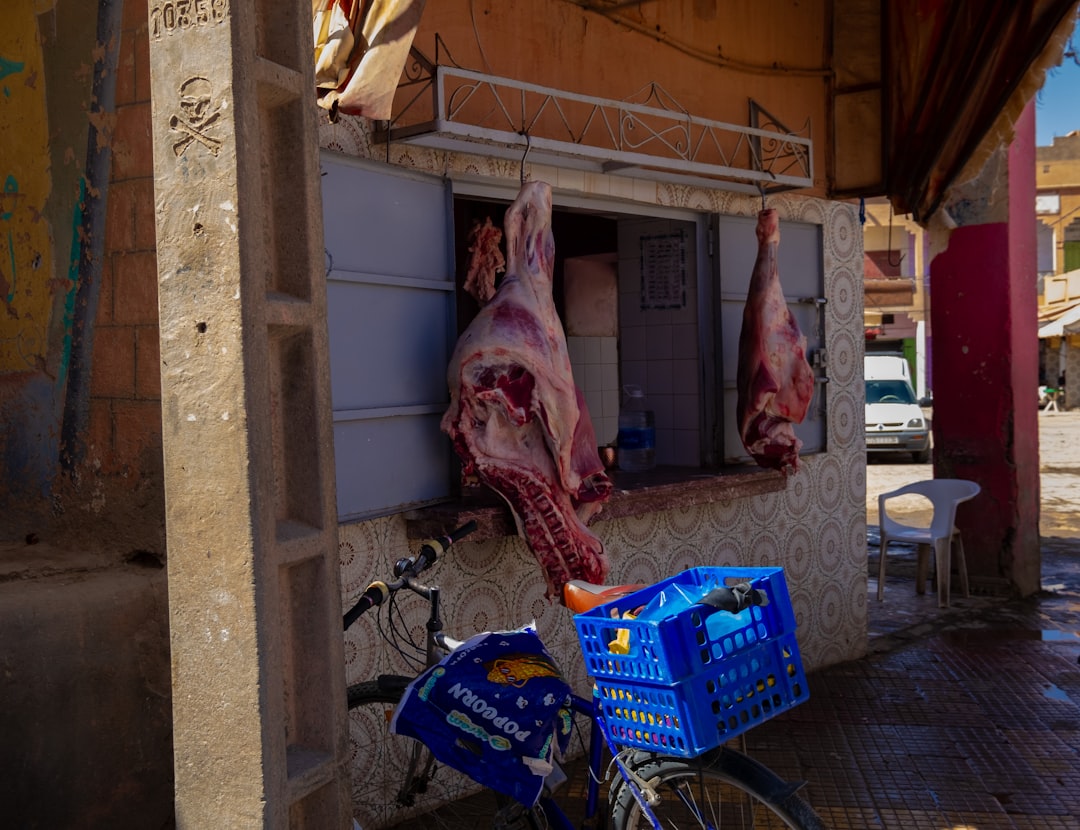
Supporting local butchers generates significant economic benefits for communities. When consumers purchase meat from independent establishments, they contribute directly to the local economy whilst obtaining high-quality products. Local butchers typically source their meat from regional farms, ensuring that expenditure remains within the community.
This creates a multiplier effect, whereby initial spending generates additional economic activity that benefits other local businesses and services. Furthermore, local butchers employ area residents, providing employment opportunities that support families and contribute to the community’s economic wellbeing. In contrast to large supermarket chains, which operate centralised distribution systems and may not reinvest locally, independent butchers are more inclined to support local suppliers and services.
This establishes a resilient economic ecosystem where capital remains within the community, promoting sustained growth and stability.
Summary
- Supporting local butchers boosts the local economy and preserves traditional skills.
- Choosing local butchers reduces environmental impact through lower food miles and waste.
- Local butchers foster community cohesion and maintain cultural heritage.
- They promote sustainable agriculture by sourcing responsibly and ethically.
- Buying from local butchers offers health benefits with fresher, higher-quality meat.
The Environmental Impact of Choosing Local Butchers
Choosing to buy from local butchers can significantly reduce one’s carbon footprint. The environmental impact of transporting meat over long distances is substantial, with emissions from lorries and planes contributing to climate change. By sourcing meat locally, consumers can help minimise these emissions.
Local butchers often work with farmers who practice sustainable farming methods, which can further lessen the environmental impact associated with meat production. Additionally, local butchers tend to offer a wider variety of meats that are in season and produced using environmentally friendly practices. This not only supports biodiversity but also encourages consumers to eat in harmony with nature’s cycles.
By choosing local, individuals can play a part in promoting sustainable practices that protect the environment for future generations.
The Importance of Preserving Traditional Butchery Skills

In an age dominated by mass production and convenience, the art of traditional butchery is at risk of being lost. Local butchers are custodians of these skills, which have been honed over generations. They possess a wealth of knowledge about different cuts of meat, preparation techniques, and cooking methods that are often overlooked in modern supermarkets.
By supporting local butchers, consumers help ensure that these invaluable skills are passed down to future generations. Moreover, traditional butchery is not just about cutting meat; it encompasses an understanding of animal husbandry and ethical sourcing. Local butchers often have close relationships with farmers, allowing them to ensure that animals are raised humanely and sustainably.
This connection fosters a deeper appreciation for food and encourages consumers to make informed choices about what they eat.
How Local Butchers Contribute to Community Cohesion
Local butchers serve as more than just places to purchase meat; they are vital hubs of community interaction. These establishments often become gathering spots where residents can engage in conversation, share recipes, and exchange stories. This sense of community fosters relationships among neighbours and strengthens social ties, creating a more cohesive environment.
Furthermore, many local butchers participate in community events, such as farmers’ markets or food festivals, where they showcase their products and connect with customers on a personal level. This engagement not only promotes their business but also reinforces a sense of belonging within the community. By supporting local butchers, individuals contribute to the creation of vibrant social networks that enhance the overall quality of life in their area.
The Role of Local Butchers in Promoting Sustainable Agriculture
Local butchers play a crucial role in promoting sustainable agriculture practices. By sourcing meat from nearby farms that prioritise ethical treatment of animals and environmentally friendly farming methods, they help create a demand for sustainable products. This encourages farmers to adopt practices that are not only good for the environment but also beneficial for animal welfare.
Additionally, local butchers often educate their customers about the importance of sustainable agriculture. They can provide insights into how meat is produced and the benefits of choosing locally sourced options. This knowledge empowers consumers to make informed decisions about their food choices and encourages them to support practices that contribute to a healthier planet.
The Health and Nutritional Advantages of Buying from Local Butchers
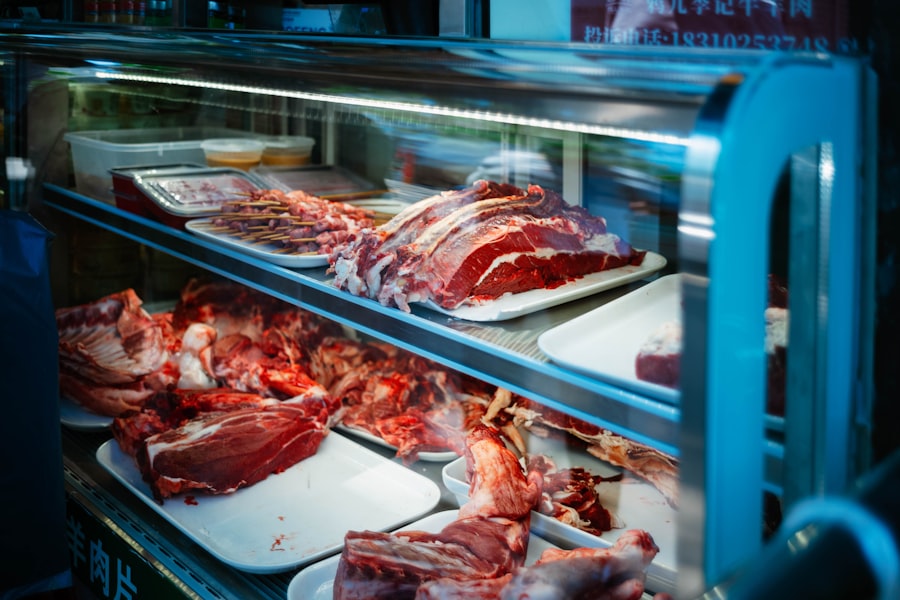
When it comes to health and nutrition, buying from local butchers offers several advantages. Local meat is often fresher than supermarket alternatives, as it typically has a shorter supply chain. This freshness can translate into better flavour and higher nutritional value.
Many local butchers also offer grass-fed or free-range options, which are known for their superior nutritional profiles compared to conventionally raised meat. Moreover, local butchers are often more transparent about their sourcing practices. They can provide information about how the animals were raised and what they were fed, allowing consumers to make choices that align with their health goals.
This level of transparency is often lacking in larger retail chains, where products may come from multiple sources with little information available about their origins.
The Social and Cultural Significance of Local Butchers in the Community
Local butchers hold a unique place in the cultural fabric of communities across the UK. They often embody traditional values and practices that have been passed down through generations. In many towns and villages, the butcher shop is a landmark that evokes nostalgia and a sense of belonging among residents.
These establishments often reflect the culinary heritage of the area, offering regional specialities that celebrate local flavours. Furthermore, local butchers frequently engage in cultural events, such as food fairs or seasonal celebrations, where they showcase traditional recipes and cooking methods. This not only preserves culinary traditions but also fosters a sense of pride within the community.
By supporting local butchers, individuals contribute to the preservation of these cultural practices and help keep their community’s heritage alive.
Supporting Local Butchers as a Form of Ethical Consumerism
In today’s world, many consumers are becoming increasingly aware of the ethical implications of their purchasing decisions. Supporting local butchers is an excellent way to engage in ethical consumerism. By choosing to buy from independent businesses that prioritise sustainability and animal welfare, consumers can align their purchasing habits with their values.
Moreover, shopping at local butcher shops allows individuals to support businesses that are committed to ethical practices rather than contributing to large corporations that may prioritise profit over people and the planet. This conscious choice empowers consumers to make a positive impact on their community while enjoying high-quality products that reflect their ethical beliefs. In conclusion, supporting local butchers offers numerous benefits that extend beyond simply purchasing meat.
From economic advantages and environmental impacts to preserving traditional skills and fostering community cohesion, local butchers play an essential role in our lives. By choosing to buy from these establishments, we not only enjoy fresher and healthier products but also contribute to a more sustainable and ethically conscious world. Embracing this form of consumerism is not just a choice; it is a commitment to nurturing our communities and protecting our planet for future generations.