There’s something uniquely comforting and utterly satisfying about a homemade pie or pastry. The golden, flaky crust, the rich, aromatic filling… it’s a culinary hug that transcends generations. But what truly elevates a good pie to a great one? The meat, of course! As a UK Foodie expert and content creator who’s spent many a happy hour perfecting my own pastry creations, I can tell you that the right cut, the perfect preparation, and a little bit of know-how make all the difference. So, grab a cuppa, and let’s dive into the delicious world of meat for your next show-stopping savoury bake.
Beef: The Undisputed Champion of Savoury Pies
When it comes to hearty, comforting pies, beef reigns supreme. Its robust flavour and forgiving nature make it a fantastic choice for slow-cooked fillings that become incredibly tender and rich. But not all beef is created equal for pie purposes.
Best Cuts of Beef for Pies
- Shin of Beef: Oh, shin! If you’re not using shin for your pies, you’re missing out. This cut, taken from the lower leg, is packed with connective tissue that breaks down beautifully during long, slow cooking, releasing gelatine and creating an incredibly succulent, flavourful, and thick gravy. It’s perfect for classic steak and ale or steak and kidney pies. Think meltingly tender pieces of beef that practically dissolve in your mouth.
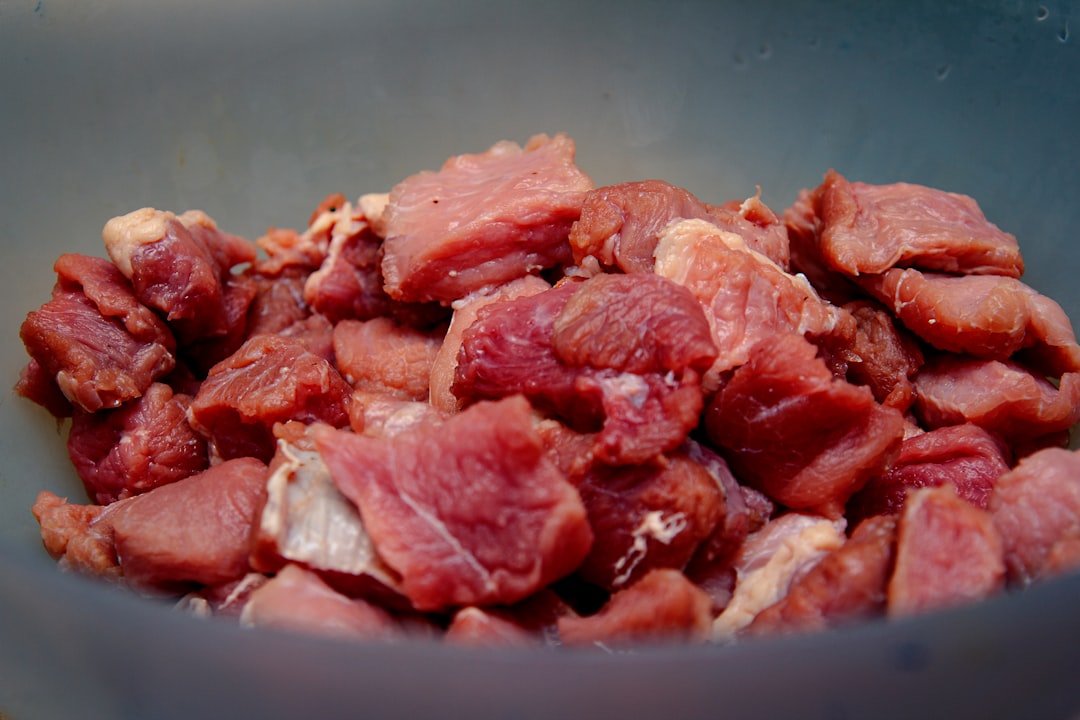
- Braising Steak (e.g., Chuck, Skirt, or Diced Beef labelled for Stewing): These are fantastic all-rounders. Chuck, from the shoulder, has a good balance of meat and fat, offering rich flavour and tenderness when braised. Skirt, often overlooked, is a flat cut with a distinct grain that becomes wonderfully tender when cooked slowly. Many supermarkets sell pre-diced “stewing beef” which is usually a combination of these cuts, making it super convenient.
- Oxtail: For something truly special and incredibly rich, oxtail is a game-changer. While it requires a longer cooking time (think 3-4 hours minimum), the flavour it imparts is unparalleled. The bone and marrow release immense depth, making for an incredibly unctuous and flavourful gravy. It’s pure beefy luxury.
- Topside or Silverside (sliced thin for steak slices): While not ideal for chunky, slow-cooked pies, topside or silverside can be excellent for steak slices or Cornish pasties. When sliced thinly and cooked within the pastry, they remain tender without becoming tough. The key here is a shorter cooking time within the pastry itself.
Preparing Beef for Pastry Perfection
The secret to truly amazing beef in a pie or pastry lies in the preparation before it even meets the dough.
- Browning is Non-Negotiable: Sear your beef in batches in a hot pan until deeply caramelised on all sides. This isn’t just for colour; it develops incredible depth of flavour through the Maillard reaction. Don’t overcrowd the pan, or the meat will steam rather than brown.
- Slow and Low is the Way to Go: Beef for pies demands long, slow cooking. This breaks down the tough connective tissues, turning them into gelatin that enriches your sauce and makes the meat incredibly tender. We’re talking at least 2-3 hours, often more, especially for shin or oxtail.
- Flavourful Liquids: Forget plain water! Use beef stock, ale, stout, red wine, or even a combination to braise your beef. These liquids infuse the meat with flavour and create that essential rich gravy that characterises a great pie.
- Chopping for Consistency: Cut your beef into relatively even 1.5-2 inch (3-5 cm) chunks. This ensures even cooking and a satisfying bite in every mouthful. For shin, you might want slightly larger pieces as it shrinks quite a bit.
Lamb: Aromatic and Distinctive Alternatives
While beef often steals the spotlight, lamb offers a wonderfully distinctive flavour that can elevate a pie to something truly memorable. Its slightly stronger, gamey notes pair beautifully with certain herbs and spices.
Top Lamb Cuts for Pies and Pastries
- Lamb Neck Fillet/Scrag End: This is a truly underrated cut for slow cooking. It’s naturally well-marbled, making it incredibly tender and flavourful when braised. Affordable and delicious, it’s perfect for a traditional shepherd’s pie base (if you’re mincing it) or a chunky lamb and mint pie.
- Lamb Shoulder: Similar to beef chuck, lamb shoulder is an excellent choice for a rich, pulled-lamb style pie filling. It has a good ratio of fat to meat and benefits from long, slow cooking to become fall-apart tender.
- Leg of Lamb (diced): While leg is often reserved for roasting, diced leg of lamb can make a luxurious pie. It’s leaner than shoulder or neck, so ensure you have enough moisture and perhaps a touch of added fat or oil to prevent it from drying out.
- Minced Lamb: A staple for shepherd’s pie, of course! But don’t limit it there. Minced lamb can also be used for empanadas, smaller pasties, or spiced turnovers where the meat cooks quickly within the pastry.
Enhancing Lamb’s Unique Flavour
Lamb’s flavour profile lends itself wonderfully to certain combinations.
- Herbaceous Harmony: Rosemary, thyme, oregano, and mint are classic partners for lamb. Don’t be shy about adding fresh sprigs to your braising liquid.
- Mediterranean & Middle Eastern Influences: Think cumin, coriander, cinnamon, and even a touch of chilli for a more exotic twist. Lamb and apricot or lamb and prune pies are absolutely divine.
- Slow & Low Still Applies: Just like beef, lamb benefits from patient cooking. Allow plenty of time for the connective tissues to break down, resulting in tender, succulent meat. Try to avoid rushing this process.
Pork: Versatile and Economical Choice
Pork is a marvelously versatile meat that brings a delightful richness and often a wonderful sweetness to pies and pastries. It’s also often more economical than beef or lamb, making it a fantastic everyday option.
Prime Pork Cuts for Pastry Creations
- Pork Shoulder/Pork Butt: This is the king of pork for slow cooking. It’s well-marbled with fat, making it incredibly moist and tender when cooked for a long time. Ideal for pulled pork pies, or classic pork pies where the meat is chopped and seasoned.
- Pork Belly: For an undeniably rich and unctuous pie, pork belly is magnificent. The layers of fat render down, infusing the meat with flavour and keeping it incredibly juicy. It’s fantastic diced alongside other pork cuts or used as the star of a layered pie.
- Pork Loin (diced for pastries): While leaner, diced pork loin can work well in smaller pastries or pies where it’s cooked quickly within the pastry. Think sausage rolls made with chopped loin and seasoning, or small pork and apple turnovers. Be careful not to overcook it, as it can dry out.
- Sausage Meat: The ultimate convenient pork filling! Whether you buy it pre-seasoned or use the contents of good quality sausages, sausage meat is perfect for sausage rolls, faggots within a pastry, or even as a base for a country-style pie. Look for higher pork content for best flavour.
- Gammon/Ham: For a classic ham and mushroom pie, or a ham and cheese pastry, pre-cooked gammon or baked ham adds a salty, Umami depth that is incredibly satisfying. Ensure it’s not too salty if you’re adding other seasoned ingredients.
Mastering Pork in Pastries
Pork offers a different range of flavour combinations and textures.
- Fennel and Apple: These are iconic partners for pork. A touch of fennel seeds or sliced apples can elevate a pork pie to new heights.
- Sage and Onion: A quintessential British pairing, particularly for sausage meat or chopped pork pies. The earthy sage and sweet onion complement the pork beautifully.
- Render the Fat: For fattier cuts like shoulder or belly, allowing some of the fat to render down before fully cooking can create a richer sauce and improve the texture. You can always skim off excess fat later if desired.
- Chopping vs. Mincing: For traditional pork pies, the meat is often roughly chopped rather than minced, giving a distinct texture when cold. For hot pies, minced pork works wonderfully.
Poultry: Lighter Fare, Tremendous Flavour
For those seeking a lighter alternative or a different flavour profile, poultry offers a fantastic array of options for pies and pastries.
Popular Poultry Choices
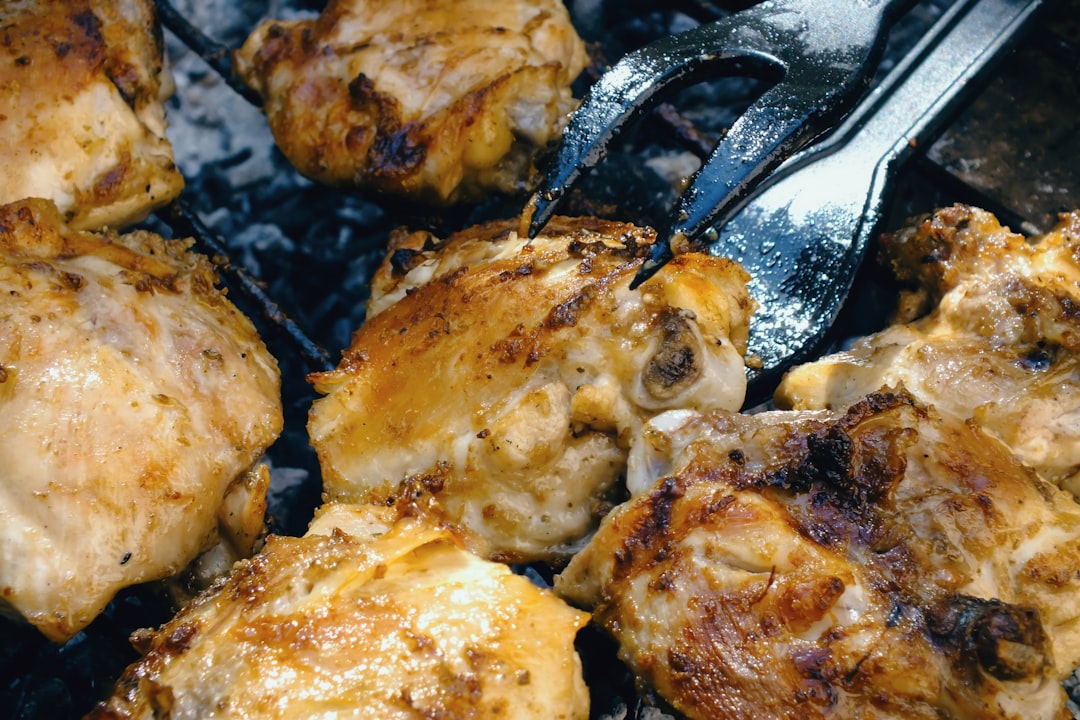
- Chicken Thighs: My absolute go-to for chicken pies. Thighs are far more flavourful and succulent than breast meat, especially when slow-cooked. They remain moist and tender, making for a much more satisfying pie.
- Chicken Breast: While leaner, diced chicken breast can work in pies, particularly if you’re aiming for a creamy sauce. However, be mindful not to overcook it, as it can quickly become dry and stringy. Poaching or gently simmering it before adding to the pie filling can help.
- Turkey (Thigh or Breast): Similar to chicken, turkey thigh offers more flavour and moisture than breast. Diced turkey can make an excellent pie, especially for using up leftovers after a roast.
- Duck: For a truly gourmet pie, duck leg meat offers a rich, gamey flavour that is incredibly luxurious. Confit duck legs, shredded and mixed with a rich sauce, make an unforgettable pie filling.
Cooking Poultry for Pies
Poultry benefits from different approaches than red meats.
- Poaching for Tenderness: For chicken or turkey breast, poaching them gently in stock before shredding or dicing helps keep them moist.
- Searing for Flavour (Thighs): Chicken thighs benefit from a light sear to crisp the skin (if left on) and develop flavour before slow cooking in your sauce.
- Creamy Sauces: Poultry pies traditionally feature creamy sauces – think béchamel, or a sauce enriched with crème fraîche or cream and stock. Mushrooms, leeks, and tarragon are classic flavour pairings.
- Leftovers are Gold: Roast chicken or turkey leftovers are brilliant for a quick pie. Simply shred or dice the meat and incorporate it into your chosen sauce.
Game and Other Meats: For the Adventurous Baker
For those who love to experiment and enjoy richer, often more complex flavours, game meats and a few other options provide thrilling opportunities for pie innovation.
Exotic and Exciting Pie Fillings
- Venison: Lean and rich, venison makes a magnificent pie. Treat it like beef; long, slow braising in red wine, juniper berries, and root vegetables will produce wonderfully tender meat and a deeply flavourful gravy. Venison and mushroom pie is a classic.
- Rabbit: Traditionally used in British pies (think “rabbit and prune” or “rabbit and bacon”), rabbit meat is lean and delicate with a distinct flavour. It benefits from slow cooking to become tender.
- Goat: Increasingly popular, goat meat is lean and often described as having a flavour somewhere between lamb and venison. It requires very long, slow cooking to become tender and is excellent in highly spiced pies.
- Mixed Game: A combination of pheasant, partridge, and venison can create a wonderfully autumnal and celebratory pie, often accompanied by smoked bacon and a rich port or red wine sauce.
- Offal (Kidney, Liver): For traditionalists, beef or lamb kidney adds incredible depth and a unique texture to a steak pie. Diced and stewed with the beef, it’s a divisive but beloved addition. Liver can also be used, particularly in pâté en croute style pies.
- Smoked Bacon/Pancetta: While not a standalone pie meat, good quality smoked bacon or pancetta is an invaluable addition to almost any savoury pie filling. It adds depth of flavour, a salty tang, and often a contrasting texture. Render it first to release its delicious fat.
Considerations for Game Meats
Game meats often require a little extra thought.
- Marinades: Many game meats benefit from marinating, especially in wine or cider with aromatics, to tenderise and add flavour.
- Lardons/Fat: Because game is often quite lean, adding some diced smoked bacon or fatty pork lardons can enhance moisture and flavour during cooking.
- Strong Seasonings: Game can stand up to stronger seasonings – think bay leaves, juniper berries, cloves, and robust herbs like rosemary and thyme.
- Sourcing: Ensure you source game meat from reputable butchers or suppliers.
Final Thoughts on Your Perfect Pie Filling
When selecting the best meat for your homemade pies and pastries, remember these key takeaways:
- Consider the Cooking Time: Tougher cuts like shin or shoulder need long, slow cooking. Leaner cuts for quick pastries need careful handling.
- Fat Means Flavour and Moisture: Don’t shy away from cuts with good marbling or a little fat. It renders down, keeping the meat moist and enriching the sauce.
- Pre-Cook Your Fillings: For most substantial pies, the filling should be cooked and flavoured before it goes into the pastry. This ensures the meat is tender and the sauce is perfectly seasoned.
- Chill Your Filling: Always allow your cooked filling to cool completely before encapsulating it in pastry. Hot filling will make your pastry soggy and difficult to work with.
- Season Generously: Meat fillings need bold seasoning. Taste as you go and don’t be afraid to add a little extra salt, pepper, herbs, or even a splash of Worcestershire sauce or balsamic vinegar to deepen the flavour.
So, the next time you embark on a pie-making adventure, consider these meaty insights. Experiment with different cuts, explore new flavour combinations, and most importantly, enjoy the process of creating something truly delicious from scratch. Happy baking, fellow pie enthusiasts!