When it comes to steak, for many in the UK, it’s more than just a meal; it’s an occasion. Whether you’re planning a celebratory Sunday roast with a twist, a romantic dinner for two, or simply indulging in a well-deserved treat after a long week, choosing the right cut of steak is paramount to achieving that perfect, juicy, flavourful experience. As your friendly neighbourhood SEO expert and content creator, and drawing on the wisdom of the butchers who know these magnificent cuts inside out, this guide aims to demystify the world of steak. We’ll navigate through the prime selections, explain what makes them special, and offer insights that will empower you to select the best steak for your palate and cooking method, ensuring every bite is a triumph. Forget the guesswork; let’s embark on a culinary journey to understand the best steak cuts, explained by those who dedicate their lives to perfecting them.
The secret to a truly exceptional steak lies in understanding where it comes from on the animal. Different muscles are used to varying degrees, which directly impacts the texture and flavour profile of the meat. A butcher’s expertise is invaluable here, as they understand the nuances of the carcass and can identify the optimal cuts for tenderness and marbling.
The Importance of Muscular Use and its Impact on Steak
Think of a cow’s anatomy like a well-oiled machine. The muscles that do a lot of work – like those in the legs and shoulders – will be tougher. This is because they develop more connective tissue. Conversely, muscles that have a more sedentary lifestyle – such as those along the spine – tend to be more tender. This is a fundamental principle that guides a butcher’s selection. When choosing a steak, you’re essentially selecting a piece of muscle that has been retired from its hardworking days.
Marbling: The Gold Standard of Steak
Marbling refers to the fine flecks of intramuscular fat (fat within the muscle) that you see distributed throughout a cut of steak. This isn’t the thick layer of fat on the outside; it’s the delicate webbing that melts during the cooking process.
How Marbling Contributes to Tenderness and Flavour
This intramuscular fat is the key to a succulent and flavourful steak. As the steak cooks, the marbling melts, basting the meat from the inside out. This adds moisture, richness, and a depth of flavour that leaner cuts simply cannot replicate. A well-marbled steak is like a finely woven tapestry of flavour and texture, each thread of fat contributing to the overall deliciousness. It’s this internal lubrication that prevents the steak from becoming dry and imparts that signature buttery mouthfeel.
Connective Tissue: The Unsung Hero (and Sometimes Villain)
Connective tissue is the structural material that holds muscles together. In some cuts, this tissue is abundant and can make the steak tough if not handled correctly. Cuts from the forequarters and hindquarters, which are involved in a cow’s movement, will naturally have more connective tissue.
Slow Cooking vs. Quick Cooking: Matches Made in Heaven
The amount of connective tissue dictates the best cooking method. For steaks with a lot of connective tissue, slow and low cooking methods, such as braising or stewing, are ideal. During these longer cooking times, the connective tissue breaks down into gelatin, which adds moisture and a luxurious texture. Cuts with minimal connective tissue, on the other hand, are best suited for quick, high-heat cooking methods like grilling or pan-searing, where the goal is to cook the muscle fibres rapidly without them toughening up.
The Premier League of Steaks: Unrivalled Tenderness and Flavour
These are the cuts that often grace the menus of high-end restaurants and are considered the crème de la crème for a reason. They offer an exceptional balance of tenderness, flavour, and marbling, making them ideal for those seeking an indulgent steak experience.
Fillet (Tenderloin): The King of Tenderness
The fillet, also known as the tenderloin, is arguably the most sought-after cut for its unparalleled tenderness. It’s a long, lean muscle that runs along the spine. Because it’s not a weight-bearing muscle, it is incredibly tender, yielding with the slightest pressure.
Characteristics of the Fillet
The fillet is characterised by its uniform thickness, smooth texture, and relatively mild flavour compared to other cuts. You’ll notice a lack of significant marbling in the fillet, which is why its tenderness is its primary selling point rather than its inherent rich flavour. It’s like a perfectly sculpted piece of art – beautiful in its simplicity and refined in its form.
Ideal Cooking Methods for Fillet
Due to its leanness and tenderness, the fillet is best cooked quickly over high heat. Pan-searing or grilling are the preferred methods, typically served rare to medium-rare to preserve its delicate texture and prevent it from drying out. Overcooking a fillet is akin to letting a priceless watch run down – a regrettable waste.
Cut Variations of the Fillet
- Chateaubriand: A thick, centre-cut portion of the fillet, typically served for two. It’s known for its impressive size and exceptional tenderness.
- Tenderloin Medallions (Filet Mignon): Smaller, individual portions cut from the fillet. These are perfect for individual servings and cook very quickly.
- Tail of the Fillet: The narrower end of the tenderloin. While still tender, it’s generally less thick than the centre-cut portions and can be slightly more affordable.
Ribeye: The Marbling Marvel
The ribeye steak is a carnivore’s dream, renowned for its generous marbling and rich, beefy flavour. It is cut from the rib section of the cow and contains a distinctive centre of fat, often referred to as the “eye.”
What Makes the Ribeye So Flavourful?
The high degree of marbling in a ribeye is its defining characteristic. As mentioned, these intramuscular fat deposits melt during cooking, infusing the meat with moisture and adding a deep, complex flavour. The fat cap on the edge also contributes to the flavour and creates a delightful crust when cooked properly. The ribeye is like a perfectly seasoned symphony, with each fatty note playing in harmony to create a rich and complex flavour profile.
Optimal Cooking Techniques for Ribeye
The ribeye excels with high-heat cooking methods such as grilling or pan-searing. These methods allow the fat to render and create a beautiful sear, locking in the juices. Aim for medium-rare to medium to fully appreciate the tenderness and flavour.
Variations and Considerations for Ribeye
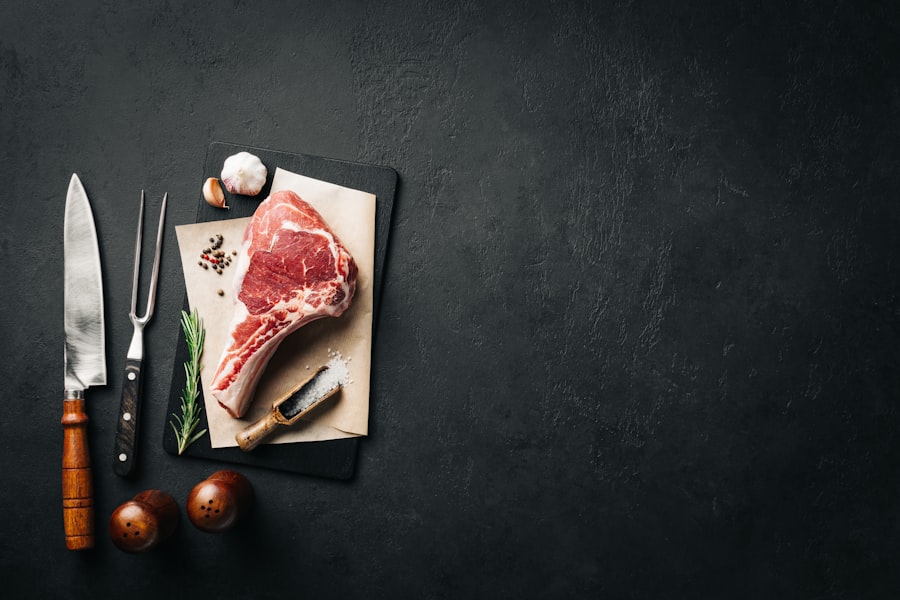
- Bone-in Ribeye (Tomahawk Steak): This impressive cut includes the rib bone, which adds flavour during cooking and provides a dramatic presentation. The bone helps to insulate the meat, promoting more even cooking.
- New York Strip (Sirloin): While technically from the sirloin primal, the New York strip is often used interchangeably with ribeye in some discussions due to its excellent marbling and flavour. However, it originates from the short loin, located towards the rear of the rib section. It tends to have a slightly firmer texture than a ribeye but boasts a robust beefy taste.
The Hearty Contenders: Robust Flavour and Satisfying Texture
These cuts offer a more substantial beefy flavour and a satisfying chew, making them excellent choices for those who appreciate a steak with more character and a bolder taste.
Sirloin: The All-Rounder with Substance
Sirloin steak is a versatile and popular cut that offers a good balance of flavour, tenderness, and value. It’s taken from the back of the cow, just behind the ribs.
The Flavour Profile of Sirloin
Sirloins have a good amount of flavour, more so than the fillet, but they are typically leaner than a ribeye. You’ll find some marbling, but it’s not as abundant. The flavour is distinctly beefy, making it a reliable choice for many. Think of sirloin as the dependable workhorse of the steak world – always delivering a solid, satisfying performance.
Best Ways to Cook Sirloin
Sirloin is a forgiving cut and can be cooked using various methods, including grilling, pan-searing, or even roasting. It’s best served medium-rare to medium, as overcooking can make it tougher.
Different Types of Sirloin
- Rump Steak: A more economical cut from the rear of the cow, the rump has a stronger flavour and a firmer texture than other sirloins. It benefits from being cooked to at least medium-rare to preserve its juices. The rump can be quite a rewarding cut if treated with respect.
- Top Sirloin: Often considered a premium part of the sirloin, it’s leaner and more tender than other sirloin cuts. It offers a good balance of flavour and tenderness.
- Bavette Steak: This cut, originating from the flank, is known for its feisty flavour and slightly coarser texture. It’s a favourite among chefs for its versatility. Bavette requires careful cooking, often seared quickly and sliced against the grain to enjoy its robust character.
Flat Iron Steak: The Surprising Treasure
The flat iron steak, also known as the feather steak or butler’s steak, is a relatively newer star on the steak scene. It’s cut from the shoulder of the cow, specifically the top blade.
Why is the Flat Iron So Special?
What makes the flat iron remarkable is its tenderness, which rivals that of a fillet, combined with a robust beefy flavour that surpasses it. It achieves this by being cut from a muscle that, while in the shoulder, is not heavily worked and has less connective tissue than one might expect. It’s like finding a hidden gem – a cut that punches well above its weight in terms of quality and value.
Cooking the Flat Iron to Perfection
The flat iron cooks quickly and is best enjoyed rare to medium-rare. High-heat searing on a grill or in a pan is recommended. Due to its relatively thin nature, it’s important not to overcook it.
Key Considerations for Flat Iron
- Removal of the Silverskin: A key characteristic of the flat iron is the central line of sinew running through it. A good butcher will often remove this, but if it’s present, it should be carefully trimmed before cooking to avoid toughness.
The Flanker and the Hanger: Bold Flavours for the Adventurous Palate
These cuts are not for the faint-hearted. They offer intense beefy flavours and a distinctive texture that appeals to those who seek a more primal and flavourful steak experience.
Skirt Steak: The Marbled Powerhouse
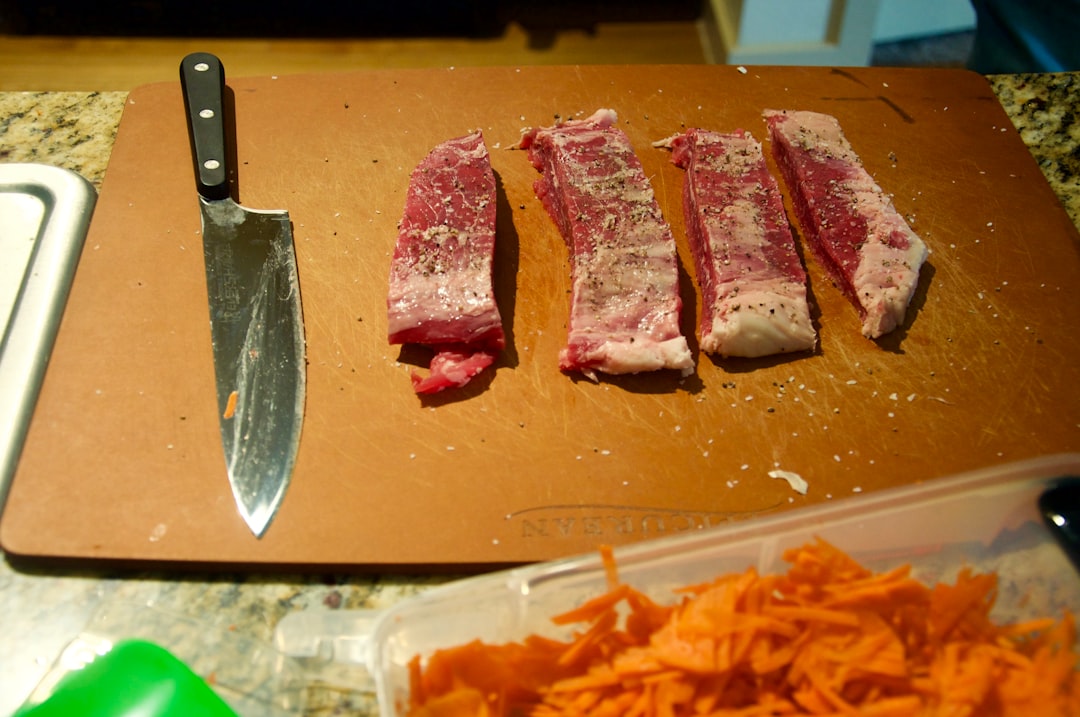
Skirt steak comes from the diaphragm muscle of the cow. It’s known for its long, flat, and fibrous appearance, and its intensely beefy flavour.
The Distinctive Nature of Skirt Steak
Skirt steak is characterised by its pronounced striations of muscle fibres. This gives it a chewier texture than more tender cuts, but it also allows it to absorb marinades exceptionally well. The flavour is rich and robust, making it a favourite for dishes like fajitas or steak salads. It’s a cut that demands attention and rewards you with a flavour punch.
Essential Cooking and Serving for Skirt Steak
Skirt steak benefits from marinating to further tenderise and flavour the meat. It should be cooked quickly over high heat, ideally to medium-rare, and always sliced thinly against the grain. This is crucial to break down those strong muscle fibres and ensure a pleasant eating experience. Cutting against the grain is like navigating a maze – you need to find the right path to avoid getting lost in resistance.
Hanger Steak (Onglet): The Butcher’s Secret
The hanger steak, or onglet, is a primal cut that hangs from the diaphragm. It’s a muscle that doesn’t get a lot of exercise, resulting in a tender steak with a deep, rich flavour.
The Uniquely Rich Flavour of Hanger Steak
Hanger steak has a wonderfully beefy, almost liver-like flavour that is intensely satisfying. It has a slightly coarser texture than a fillet or ribeye, but this contributes to its robust character. It’s often considered a “butcher’s cut” because traditionally, butchers would keep it for themselves due to its exceptional flavour. It’s the kind of steak that tells a story with every bite.
Maximising the Potential of Hanger Steak
Hanger steak cooks relatively quickly and is best served rare to medium-rare. Like skirt steak, it’s imperative to slice it thinly against the grain to counteract the texture of the muscle fibres. Marinating can also enhance its flavour and tenderness.
Practical Butcher’s Tips for Perfect Steak Every Time
Beyond understanding the cuts, a few insider tips from your butcher can elevate your steak-cooking game significantly. These are the small details that can make a world of difference to the final result.
The Art of Resting Your Steak
This is perhaps the most crucial step in ensuring a juicy steak. Once cooked to your desired temperature, allow the steak to rest for at least 5-10 minutes (for thicker cuts, even longer) before slicing.
Why Resting is Non-Negotiable
During cooking, the muscle fibres contract, pushing the juices towards the centre of the steak. If you cut into it immediately, these precious juices will spill out onto the plate, leaving you with a dry steak. Resting allows the fibres to relax and redistribute the juices throughout the meat, resulting in a more succulent and flavourful bite. Imagine a sponge that has been squeezed dry; resting is like giving it time to rehydrate.
Seasoning: Simplicity is Often Best
While marinades can be beneficial for some cuts, a high-quality steak often requires little more than good old-fashioned salt and pepper.
When and How to Season
Season your steak generously with coarse sea salt and freshly cracked black pepper just before cooking. The salt draws out a small amount of moisture, which then mixes with the salt to create a flavourful brine that is reabsorbed into the meat during cooking.
The Role of Fat in Flavour
Don’t be afraid of a little fat. The fat on a steak isn’t just for show; it’s a flavour carrier. When it renders, it bastes the meat, adding richness and moisture.
The Importance of High Heat for Searing
Achieving a beautiful, flavourful crust on your steak is essential. This is accomplished through high heat.
Creating the Perfect Sear
Whether you’re using a grill or a cast-iron pan, ensure it is screaming hot before adding your steak. This rapid searing creates the Maillard reaction, a chemical process that gives steak its characteristic brown crust and complex flavour. A good sear is like the first impression of a book – it draws you in with its enticing appearance.
By understanding these cuts and following these straightforward advice, you’ll be well on your way to cooking steakhouse-worthy steaks in your own kitchen. Happy cooking!