Lamb roast. The very phrase conjures images of Sunday lunches, family gatherings, and the comforting aroma of a well-cooked meal permeating the home. It is, without hyperbole, a cornerstone of British culinary tradition, a dish enjoyed for centuries and perfected through generations. Far from being an intimidating culinary Everest, a simple lamb roast is eminently achievable in any home kitchen, offering a rewarding experience for both the cook and those gathered around the table. This guide aims to demystify the process, providing a clear, factual pathway to a classic British lamb roast, suitable for even the most nascent of home cooks.
Before embarking on the cooking process, a foundational understanding of your primary ingredient – the lamb – is paramount. Just as a builder selects the right bricks, you must select the right cut of lamb to ensure a successful roast. Different cuts possess varying characteristics regarding fat content, bone structure, and muscle density, all of which influence cooking times and final texture.
Choosing the Right Cut: Navigating the Butcher’s Counter
The most common and popular cuts for roasting in the UK include:
- Leg of Lamb: This is arguably the quintessential roasting cut. It’s a lean, large joint, often weighing between 2-3kg, and can be cooked on or off the bone. Roasting on the bone is often preferred by connoisseurs who believe it imparts a deeper flavour and helps retain moisture. It’s an excellent choice for feeding a crowd.
- Shoulder of Lamb: While often associated with slower, braising methods, shoulder of lamb, particularly a boneless rolled shoulder, can be roasted beautifully. It tends to be richer and fattier than the leg, yielding incredibly tender, pull-apart meat when cooked low and slow. This cut is more forgiving and less prone to drying out.
- Loin of Lamb: A smaller, more delicate cut, often sold as a “best end” or “saddle.” Loin roasts incredibly quickly and is best suited for smaller gatherings. It’s leaner than the shoulder and offers a more refined texture. Care must be taken not to overcook this cut due to its lower fat content.
When selecting your lamb, look for meat that is a deep, rich red colour, with a fine grain and a good amount of marbling (streaks of fat) through the muscle. The fat cap, if present, should be firm and creamy white. Avoid meat that appears pale or exudes excess liquid, as these can be indicators of poor quality.
Preparing the Lamb: A Canvas for Flavour
Once your lamb joint is home, a few preparatory steps are essential. Primarily, you’ll need to bring the lamb to room temperature, a crucial step enabling more even cooking.
- Bringing to Temperature: Remove the lamb from the refrigerator at least 1-2 hours before you intend to cook it. Placing a cold joint directly into a hot oven can lead to the outside cooking too quickly while the inside remains underdone, resulting in an unevenly cooked roast.
- Scoring the Fat (Optional but Recommended): For cuts with a significant fat cap, such as a leg or shoulder, scoring the fat in a crisscross pattern (without cutting into the meat itself) serves multiple purposes. It allows the fat to render more efficiently, creating a crispier skin, and provides more surface area for seasonings to penetrate, enhancing flavour.
- Seasoning: A simple lamb roast requires simple, yet effective, seasoning. Coarse sea salt and freshly cracked black pepper are non-negotiable. Beyond this foundational duo, traditional British additions often include fresh rosemary and garlic. Make small incisions in the lamb with a sharp knife and insert slivers of garlic and sprigs of rosemary for an aromatic infusion. Alternatively, a paste made from crushed garlic, chopped rosemary, salt, pepper, and a drizzle of olive oil can be rubbed liberally over the entire joint.
The Roasting Process: Time and Temperature, the Alchemist’s Secret
The art of roasting lies in the judicious application of heat over time. Think of your oven as a controlled environment, and your lamb as the subject undergoing a transformation. The goal is to achieve an internal temperature that renders the meat tender and juicy, while developing a deliciously caramelised exterior.
Oven Temperature: Setting the Scene
Oven temperatures for roasting lamb typically fall within the range of 180°C to 220°C (Gas Mark 4-7). A common approach involves starting the lamb at a higher temperature for an initial period to achieve browning, then reducing the temperature for the remainder of the cooking time to ensure even cooking and prevent drying out.
- Initial High Heat: Preheat your oven to 220°C (Gas Mark 7). Place the lamb in a roasting tin, ideally with a rack beneath it to allow air circulation and prevent the bottom from becoming soggy. Roast for 15-20 minutes at this high temperature. This initial blast helps to properly sear the exterior, locking in juices and promoting the Maillard reaction – the chemical process responsible for those desirable brown flavours.
- Reduced Heat: After the initial high-heat period, reduce the oven temperature to 180°C (Gas Mark 4). This lower temperature allows the lamb to cook through more gently and evenly.
Cooking Times: The Pulse of Precision
Predicting precise cooking times is more an art than a science, as it depends on various factors: the size and shape of your joint, whether it’s on or off the bone, the specific cut, and even the nuances of your own oven. However, general guidelines provide an excellent starting point.
- General Guidelines (Leg or Shoulder):
- Rare: 15-20 minutes per 450g (1 lb)
- Medium: 20-25 minutes per 450g (1 lb)
- Well Done: 25-30 minutes per 450g (1 lb)
It is crucial to remember that these are merely guidelines. The most accurate way to determine doneness is by using a meat thermometer.
The Meat Thermometer: Your Culinary Compass
A good quality meat thermometer is an indispensable tool for any serious home cook, particularly when roasting joints of meat. It eliminates guesswork and ensures consistent results. Insert the probe into the thickest part of the meat, avoiding any bone.
- Internal Temperatures for Lamb:
- Rare: 50-55°C
- Medium-Rare: 55-60°C
- Medium: 60-65°C
- Medium-Well: 65-70°C
- Well Done: 70°C+
Remove the lamb from the oven when it reaches approximately 5°C below your desired final temperature, as the temperature will continue to rise during the resting period (carry-over cooking).
Resting and Carving: The Zenith of the Roast
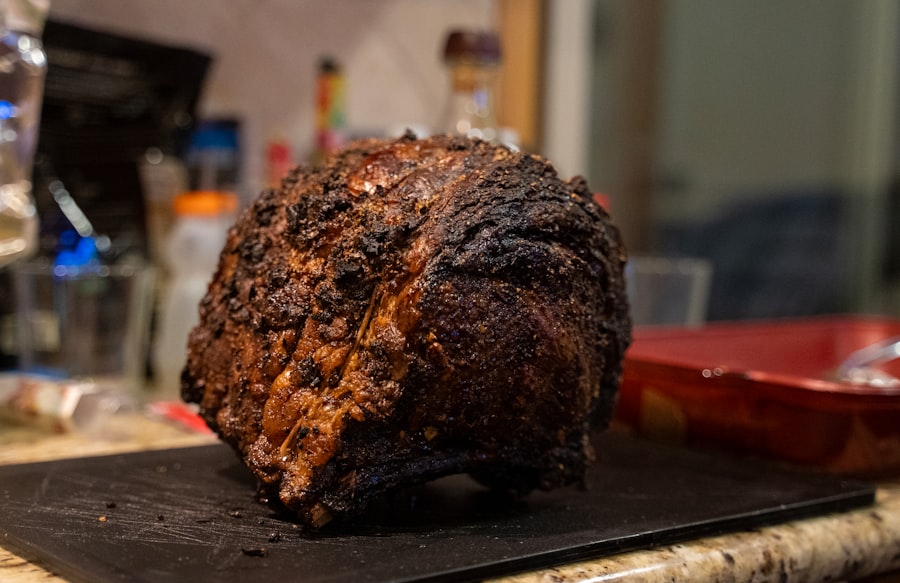
The moment the lamb emerges from the oven, resplendent and golden brown, it may be tempting to immediately slice into it. Resist this urge. The resting period is not merely a pause; it is a critical stage in the cooking process, as vital as the roasting itself.
The Importance of Resting: A Culinary Truce
During cooking, the intense heat forces the muscle fibres of the lamb to contract, pushing the juices towards the centre of the joint. If you cut into the meat immediately, these precious juices will simply gush out onto the carving board, leaving you with a drier, less flavourful slice.
- The Science of Resting: Resting allows the muscle fibres to relax and reabsorb the collected juices, distributing them evenly throughout the meat. This results in a significantly more tender, succulent, and flavourful final product.
- How to Rest: Transfer the lamb from the roasting tin to a warm carving board or platter. Tent it loosely with foil to retain heat, but avoid sealing it tightly, as this can steam the exterior and make it less crispy. For a joint the size of a leg or shoulder, a resting period of 15-30 minutes is generally sufficient.
Carving the Lamb: Precision with a Purpose
Once rested, the lamb is ready for carving. A sharp carving knife and a carving fork are essential tools.
- Leg of Lamb: If carving a bone-in leg, locate the bone and slice along it to remove large sections of meat. Then, slice these sections across the grain into desired thicknesses. Carving across the grain is crucial as it shortens the muscle fibres, making the meat more tender to eat.
- Boneless Lamb: For boneless joints, simply slice across the width of the roast, again, ensuring you are cutting against the grain.
The aim is to create visually appealing slices that are consistent in thickness and showcase the beautiful pink interior (if cooked to medium-rare).
Accompaniments: The Royal Retinue
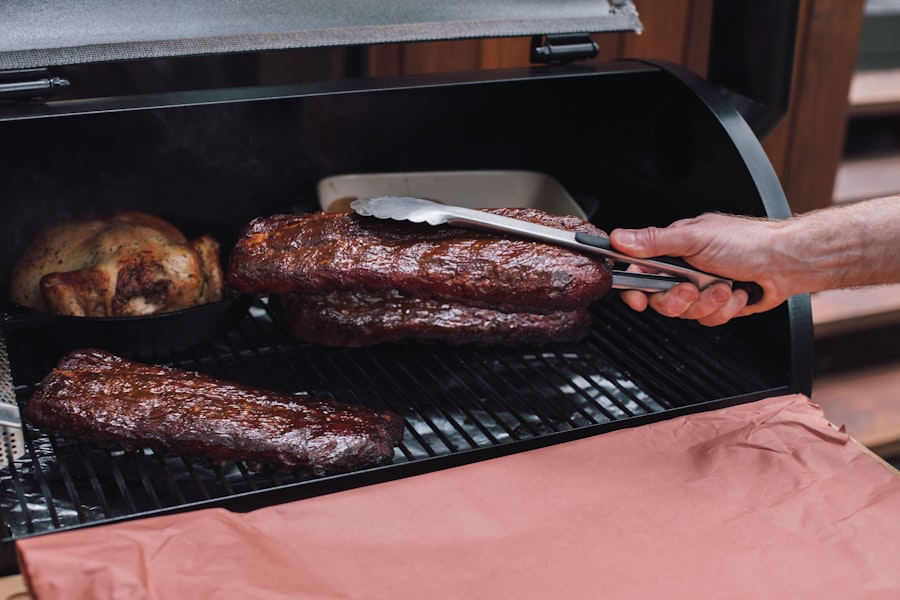
A British lamb roast is rarely served in isolation. It is traditionally accompanied by an array of side dishes that complement and enhance its rich flavour profile. These accompaniments are not mere afterthoughts; they are integral components of the experience.
Classic Roasting Vegetables: Earth’s Bounty
The roasting tin often becomes a veritable garden of roasted vegetables, imbued with the lamb’s juices and rendered fat.
- Roast Potatoes: Arguably the most anticipated accompaniment. Peel and par-boil floury potatoes (such as Maris Piper or King Edward) until just tender. Drain thoroughly, then rough up the edges in the pan to create ideal surfaces for crisping. Toss with some of the lamb’s rendered fat (or duck fat for an extra treat), salt, and pepper, then roast in the same oven as the lamb (or in a separate, hotter oven if space allows) until golden and impossibly crispy.
- Carrots and Parsnips: These root vegetables sweeten and caramelise wonderfully when roasted. Peel and chop into similar-sized pieces, toss with a little olive oil, salt, and pepper, and roast alongside the lamb or potatoes. A drizzle of honey or maple syrup towards the end of cooking can add an extra layer of sweetness.
- Red Onions: Quartered red onions, roasted until tender and slightly charred, offer a lovely sweetness and a pleasant counterpoint to the richness of the lamb.
Gravy: The Nectar of the Gods
No British roast is complete without a rich, flavourful gravy. This liquid gold is the culmination of all the efforts, drawing its intensity from the pan drippings.
- Making the Gravy: After removing the lamb from the roasting tin, pour off any excess fat, leaving behind the rich pan juices and any caramelised bits (fond). Place the roasting tin over a low-medium heat on the hob. Scrape up the fond with a wooden spoon. Sprinkle in a tablespoon or two of plain flour (or gluten-free alternative) and stir constantly for a minute or two to cook out the raw flour taste (this creates a roux). Gradually whisk in hot stock (beef or lamb stock is ideal) until the gravy reaches your desired consistency. Simmer gently for a few minutes, stirring occasionally, until slightly thickened. Taste and adjust seasoning as needed, perhaps with a splash of red wine or a dash of Worcestershire sauce for added depth. Strain through a fine sieve for an extra silky finish if desired.
Other Traditional Sides: Expanding the Spread
- Mint Sauce: A quintessential British accompaniment for lamb, offering a sharp, fresh counterpoint to the rich meat. It’s typically made from finely chopped fresh mint, vinegar, and sugar.
- Green Vegetables: Steamed or blanched green vegetables such as broccoli, green beans, or peas add freshness, texture, and a burst of colour to the plate.
- Yorkshire Puddings: While traditionally served with beef, many households include Yorkshire puddings with lamb roast, especially on a Sunday. Light, airy, and designed to soak up gravy, they are a welcome addition.
Troubleshooting Common Queries: Navigating the Culinary Labyrinth
Even with a detailed guide, questions and minor dilemmas can arise. Anticipating these is part of the learning process.
“My Lamb is Dry!”
This is a common lament and almost always a result of overcooking. Lamb, particularly leaner cuts, benefits from being removed from the oven slightly before it reaches its target internal temperature, allowing for carry-over cooking. A meat thermometer is your best defence against dryness. Also, ensure adequate resting time; rushing to carve can squander all the moisture you’ve worked hard to preserve. Bastin the lamb periodically with pan juices can also help, though its primary benefit is flavour development on the exterior rather than deep moisture retention.
“My Roast Potatoes Aren’t Crispy!”
Several factors influence potato crispness. Firstly, ensuring they are thoroughly dried after par-boiling is essential; excess water will create steam rather than crispness. Secondly, roughing up the edges provides more surface area for crisping. Thirdly, sufficient fat (preferably rendered lamb fat or duck fat) and a hot oven are crucial. Make sure your roasting tin isn’t overcrowded, as this can lower the temperature and hinder browning.
“My Gravy is Lumpy!”
Lumpy gravy usually occurs when the flour isn’t fully cooked into the fat before the liquid is added, or when the liquid is added too quickly without constant whisking. To rectify, simply pour the lumpy gravy through a fine-mesh sieve or, for a quicker fix, use an immersion blender to smooth it out.
In conclusion, a simple lamb roast is a dish that rewards precision, patience, and a fundamental understanding of its components. It is a testament to the enduring appeal of traditional British cooking – robust, comforting, and deeply satisfying. By following these steps, you can confidently produce a roast lamb that will not only impress your diners but also provide a deep sense of culinary achievement. It is more than just a meal; it is an experience, a connection to culinary heritage, and a simple joy to be savoured. So, embrace the oven, sharpen your knife, and prepare to master this iconic British classic.
FAQs
What cut of lamb is best for an easy roast?
The leg of lamb is commonly used for easy roasts due to its tenderness and flavour. Shoulder can also be used but may require longer cooking times.
How long should I roast a leg of lamb?
For a medium-rare roast, cook the lamb at 180°C (350°F) for approximately 20 minutes per 500g, plus an additional 20 minutes. Adjust timing based on the size and desired doneness.
Do I need to marinate the lamb before roasting?
Marinating is optional but recommended to enhance flavour. A simple marinade with garlic, rosemary, olive oil, salt, and pepper works well and can be applied a few hours before cooking.
Should I cover the lamb while roasting?
It is best to roast the lamb uncovered to allow the exterior to brown and develop a crispy crust. You can cover it loosely with foil if it starts to brown too quickly.
How do I check if the lamb roast is cooked properly?
Use a meat thermometer to check the internal temperature. For medium-rare, aim for 60°C (140°F); for medium, 65°C (150°F). Let the meat rest for 15 minutes before carving to allow juices to redistribute.