The humble pork chop, a staple on dinner tables across the United Kingdom, holds a special place in our culinary heritage. Far from being a mere piece of meat, a well-executed pork chop can be a symphony of flavour, a testament to simple ingredients elevated by mindful cooking. This guide will navigate you through creating the perfect pork chop, a dish that, when done right, embodies the heartiness and honest satisfaction of British home cooking. Think of it as uncovering a hidden gem, a treasure that requires a little polish to reveal its true brilliance.
The journey to a perfect pork chop begins not with the sizzle of the pan, but with the selection of the star ingredient. The cut of pork you choose will be the bedrock upon which all subsequent flavour and texture are built. Just as a builder selects the finest materials for a sturdy house, you must select the best pork chop for a memorable meal.
The Anatomy of a Pork Chop
Pork chops are essentially sections cut from the loin of a pig. The loin is a lean, tender cut of meat that runs along the pig’s back. Different parts of the loin yield different types of chops, each with its own characteristics:
- Loin Chop (or Derby Chop): This is perhaps the most common type of pork chop found in British butchers and supermarkets. It includes a portion of the loin and a part of the back fat. The presence of back fat is crucial, as it renders down during cooking, basting the meat and contributing significantly to its succulence and flavour. Without adequate fat, even the most expertly cooked chop can risk being dry.
- Chump Chop: Cut from the hindquarters of the pig, the chump chop is often slightly leaner and can be a little tougher than a loin chop. However, it still offers a good flavour, especially if cooked carefully.
- Rib Chop (or French Trimmed if prepared): These chops are cut from the rib section of the loin. They are often more expensive and can be visually appealing, particularly if French-trimmed (where the meat is scraped away from the end of the bone). While they can be very tender, the flavour profile might be slightly less pronounced than a well-marbled loin chop.
- Blade Chop (or Shoulder Chop): Cut from the shoulder area, this chop is a more flavourful and often more budget-friendly option. It tends to have more marbling (fat interspersed within the muscle) and connective tissue, which can make it tougher but also richer in taste if cooked low and slow. For a quick pan-fry, it might require a little more care to prevent it from becoming tough.
The Importance of Thickness
The thickness of your pork chop is a vital factor. A chop that is too thin, often less than 1.5cm, will cook incredibly quickly, leaving little room for error. It’s akin to trying to hold a conversation in a library – difficult to get your point across without being disruptive. Thicker chops, ideally 2-3cm or even more, offer a much greater margin for error. They allow the exterior to caramelise beautifully while the interior reaches the perfect temperature without overcooking. These thicker cuts are also more forgiving when it comes to resting time, a crucial step in ensuring juicy results.
Where to Source Your Chops
For the discerning cook aiming for perfection, a good butcher is your best ally. A reputable butcher will not only offer higher quality meat than most supermarkets but can also advise on the best cuts and preparation. They are the custodians of culinary knowledge when it comes to meat. Supermarket own-brand chops can be perfectly adequate, but consider opting for their “premium” or “outdoor bred” ranges, which often indicate better welfare and potentially a superior flavour.
Mastering the Marinade: Building Layers of Flavour
While a good quality pork chop can stand proudly on its own, a well-chosen marinade can elevate it from a good meal to a truly memorable one. Think of a marinade as laying the foundational colours on a canvas before adding the finer details. It’s about infusing the meat with complementary flavours and, depending on its ingredients, can also help tenderise the chop.
The Role and Purpose of a Marinade
Marinades typically consist of three key components: an acid (like vinegar, lemon juice, or buttermilk), oil, and flavourings (herbs, spices, garlic, onion, etc.).
- Acid: The acid helps to break down some of the connective tissues in the meat, making it more tender. However, it’s a delicate balance; too much acid or leaving the meat in for too long can “cook” the surface, leading to a mushy texture.
- Oil: The oil helps to distribute the fat-soluble flavour compounds from the seasonings and also aids in lubrication, preventing the meat from sticking during cooking.
- Flavourings: This is where you get creative. Herbs like rosemary, thyme, and sage are classic pairings with pork. Garlic, onion, mustard, and a touch of sweetness from honey or brown sugar can also work wonders.
Simple yet Effective Marinade Combinations
For a classic British pork chop, keeping the marinade relatively restrained allows the natural flavour of the pork to shine through. Here are a few ideas:
Classic Herby Marinade
This marinade is a symphony of complementary British flavours.
- Ingredients:
- 2 tablespoons olive oil
- 1 tablespoon soy sauce (for umami depth)
- 1 teaspoon Dijon mustard
- 2 cloves garlic, minced
- 1 sprig fresh rosemary, finely chopped
- 1 sprig fresh thyme, finely chopped
- Black pepper to taste
- Preparation: Combine all ingredients in a bowl or a resealable bag. Add your pork chops, ensuring they are fully coated. Marinate in the refrigerator for at least 30 minutes, or up to 4 hours. Anything longer risks the acid in the soy sauce becoming too dominant.
Apple and Sage Marinade
Apples and pork are a time-honoured pairing in British cuisine. The sweetness of the apple balances the richness of the pork.
- Ingredients:
- 2 tablespoons unsalted butter, melted
- 2 tablespoons apple cider vinegar
- 1 tablespoon honey (or brown sugar)
- 2 cloves garlic, crushed
- 4-5 fresh sage leaves, finely chopped
- Pinch of ground nutmeg
- Salt and freshly ground black pepper
- Preparation: Whisk together the melted butter, apple cider vinegar, honey, crushed garlic, sage, nutmeg, salt, and pepper. Place pork chops in a dish or bag, pour over the marinade, and ensure they are well coated. Marinate for at least 1 hour, up to 3 hours.
Dairy-Based Marinade (for extra tenderness)
Buttermilk, yogurt, or even a touch of crème fraîche can work wonders for tenderising pork. The lactic acid gently breaks down the muscle fibres.
- Ingredients:
- 100ml buttermilk (or plain yogurt)
- 1 tablespoon olive oil
- 1 teaspoon Worcestershire sauce
- 1/2 teaspoon English mustard powder
- 1 bay leaf
- Freshly ground black pepper
- Preparation: In a shallow dish, combine the buttermilk, olive oil, Worcestershire sauce, mustard powder, bay leaf, and pepper. Add the pork chops, making sure they are submerged. Marinate in the refrigerator for 2-6 hours. This marinade is particularly good for slightly tougher cuts of pork.
The Art of the Sear: Achieving a Golden Crust
The sear is arguably the most critical step in cooking a pork chop. It’s where the magic happens, transforming a pale piece of meat into a culinary masterpiece with a deeply browned, flavourful exterior. This is akin to a skilled painter laying down the initial bold strokes that define the subject. A good sear creates the Maillard reaction – a complex chemical process that generates hundreds of new flavour compounds.
Why Searing is Non-Negotiable
A proper sear achieves several important objectives:
- Flavour Development: As mentioned, the Maillard reaction is responsible for the rich, savoury, and slightly sweet notes that develop on the surface of the meat. This browned crust is the flavour powerhouse of the chop.
- Texture Contrast: The crisp, slightly caramelised exterior provides a delightful contrast to the tender, juicy interior of the pork chop. Without it, the chop can be uniformly soft, lacking that exciting textural dimension.
- Sealing in Juices (Myth Debunked): While it was once believed that searing “sealed in” juices, this is largely a myth. The primary purpose of searing is flavour and texture. However, by creating a well-cooked crust, you minimise the surface area that rapidly loses moisture during the initial stages of cooking. The true locking-in of juices comes from cooking to the correct internal temperature and allowing for adequate resting.
Achieving the Perfect Searing Temperature
The key to a perfect sear is a hot pan. You want enough heat to quickly brown the surface without burning the fats or seasonings.
- Choosing Your Pan: A heavy-bottomed frying pan is ideal. Cast iron or a good quality stainless steel pan will retain heat beautifully and distribute it evenly. Non-stick pans are generally not recommended for searing, as they don’t get as hot or develop the necessary crust.
- The Right Fat: Use a cooking fat with a high smoke point. Refined vegetable oil, sunflower oil, or even clarified butter (ghee) are good choices. Olive oil can be used, but be mindful not to let it smoke excessively. A small knob of butter can be added towards the end of the searing process to help with browning and build flavour.
- The Sizzle Test: Place your chosen fat into the hot pan. It should shimmer immediately. If you add a drop of water, it should sizzle and evaporate rapidly. This is the pan telling you it’s ready.
The Searing Technique
- Pat Dry: Before placing the chop in the pan, ensure it is thoroughly patted dry with paper towels. Excess moisture will steam the meat rather than sear it, hindering the development of that coveted crust.
- Don’t Overcrowd: Cook your pork chops in batches if necessary. Overcrowding the pan lowers the temperature, leading to steaming rather than searing. Each chop needs its own space to breathe and brown.
- Initial Sear: Place the seasoned pork chop into the hot pan. Allow it to cook undisturbed for 2-4 minutes, or until a deep golden-brown crust has formed. Resist the urge to poke or prod it. Let it develop that beautiful colour.
- Flip and Sear: Carefully flip the chop and sear the other side for another 2-3 minutes.
- Sear the Edges: Using tongs, carefully hold the chop on its fatty edge for a minute or so, allowing the fat to render and crisp up. This renders down the back fat, adding flavour and crispiness.
The Gentle Finish: Ensuring Juiciness and Tenderness
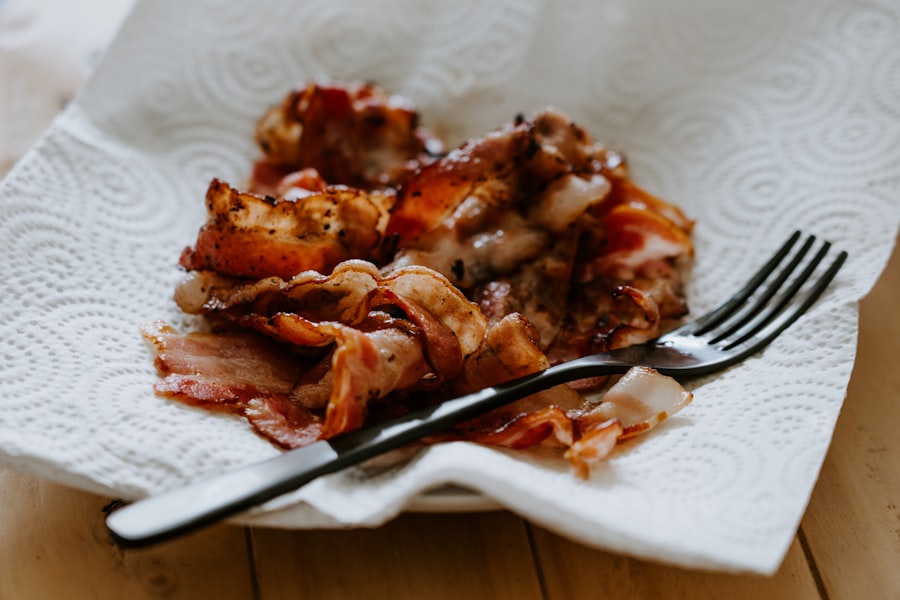
Once your pork chop has achieved that magnificent sear, its journey isn’t complete. The searing is the overture; the gentle finish is the main performance, where the meat cooks through to perfection while retaining its moisture. This is where we ensure the opera of flavour reaches its crescendo without a discordant note of dryness.
Cooking Methods for the Finish
Depending on the thickness of your chop, you might need to:
Oven Finishing (The Preferred Method for Thicker Chops)
For thicker chops (over 2cm), after searing, they will require a period of oven cooking to ensure they are cooked through without burning the exterior.
- Preheat Your Oven: Preheat your oven to 180°C (160°C fan/Gas Mark 4).
- Transfer to Ovenproof Dish: If your frying pan is ovenproof, you can simply transfer it directly into the preheated oven. If not, carefully move the seared pork chops to an ovenproof dish or baking tray.
- Bake: Cook the chops in the oven for approximately 8-15 minutes, depending on their thickness. The internal temperature should reach your desired level (see below). This method allows for even cooking from all sides.
Pan Finishing (For Thinner Chops or Delicate Control)
Thinner chops may cook through entirely in the pan after searing. You can reduce the heat, perhaps add a splash of liquid (like stock, wine, or even water), and cover the pan to allow the steam to finish the cooking process gently. This is a more delicate approach.
The Crucial Role of Internal Temperature
The most accurate way to determine if your pork chop is perfectly cooked and, crucially, safe to eat, is by using a meat thermometer. Overcooking is the primary culprit for dry pork.
- Temperatures to Aim For: The UK’s Food Standards Agency (FSA) advises cooking pork to an internal temperature of 70°C for at least 2 minutes to ensure it is safe. However, many chefs and home cooks prefer to cook pork slightly rarer for optimal tenderness.
- Medium-Rare: 63°C (this achieves excellent succulence but requires careful resting and is often only recommended for very high-quality, well-sourced pork).
- Medium: 68-70°C (this is the ‘sweet spot’ for many, offering a good balance of juiciness and safety).
- Well-Done: 72°C+ (this is generally discouraged as it will result in a drier, tougher chop).
- Using Your Thermometer: Insert the thermometer into the thickest part of the chop, avoiding the bone. The temperature will rise a few degrees as the meat rests, so you can pull it from the heat a degree or two below your target temperature.
The Importance of Resting
This is a step that is often overlooked but is as vital as the searing itself. Resting allows the juices within the meat, which have been driven to the centre during cooking, to redistribute throughout the chop. Imagine a crowd gathering in the centre of a stadium; resting allows them to disperse evenly into the stands.
- How to Rest: Once the pork chop has reached your desired internal temperature, remove it from the pan or oven. Place it on a warm plate, cover it loosely with foil, and let it rest for at least 5-10 minutes. For thicker chops, up to 15 minutes is beneficial. During this time, the juices will reabsorb into the muscle fibres, ensuring a succulent and tender bite.
Accompaniments and Sauces: The Supporting Cast
With your perfectly cooked pork chop resting, it’s time to consider the supporting cast – the accompaniments and sauces that will complete the dish. While the pork chop is the star, these elements play a crucial role in harmonising the flavours and textures on the plate. Think of them as a well-rehearsed orchestra, each instrument contributing to the overall masterpiece.
Classic British Pairings
British cuisine offers a wealth of tried-and-tested partners for pork:
Mashed Potatoes
A cloud of creamy mashed potatoes is a classic for a reason. The soft, comforting texture and gentle flavour act as a perfect foil to the richness of the pork.
- Tips for the Perfect Mash: Use floury potatoes like Maris Piper or King Edward. Boil them until tender, drain thoroughly, and then mash them while hot. Add warm milk and butter gradually, mashing until smooth and creamy. Season generously with salt and white pepper.
Roast Potatoes
For a more robust accompaniment, crispy roast potatoes are a delight. Their crunchy exterior and fluffy interior provide delightful textural contrast.
- Getting Them Crispy: Parboil your potatoes until they are just starting to soften. Drain them and then rough them up in the colander to create more surface area for crisping. Roast them in hot fat (goose fat or beef dripping are traditional and delicious) until golden brown and crispy.
Seasonal Greens
A vibrant green vegetable adds freshness and a touch of bitterness to cut through the richness of the pork.
- Steamed or Blanched Greens: Think broccoli, green beans, or Brussels sprouts. Simply steam or blanch them until tender-crisp. A knob of butter and a sprinkle of sea salt can elevate them simply.
Apple Sauce
A sweet and tangy apple sauce is a traditional and beloved partner for pork.
- Homemade Apple Sauce: Peel, core, and chop cooking apples (like Bramleys). Simmer them with a little water and a tablespoon of sugar (or honey) until soft and slightly broken down. You can add a little cinnamon or a strip of lemon peel for extra flavour.
Simple Yet Elegant Sauces
A well-made sauce can elevate your pork chop from simple to sophisticated.
Pan Gravy
The fond left in the searing pan is a treasure trove of flavour. Transforming it into a quick pan gravy is a fundamental skill.
- Method: After removing the pork chops to rest, pour off any excess fat from the pan, leaving about a tablespoon. Return the pan to a medium heat. Whisk in a tablespoon of flour and cook for a minute to make a roux. Gradually whisk in your chosen liquid – beef stock, chicken stock, or even a splash of white wine – scraping up all the browned bits from the bottom of the pan. Simmer until thickened. Season to taste with salt, pepper, and a dash of Worcestershire sauce if desired.
Mustard Sauce
A creamy mustard sauce offers a lovely piquant counterpoint to the pork.
- Method: In a small saucepan, melt a knob of butter. Whisk in a tablespoon of flour and cook for a minute. Gradually whisk in 200ml of milk and 150ml of double cream. Bring to a gentle simmer, stirring constantly, until thickened. Stir in 1-2 tablespoons of Dijon mustard (or a mix of Dijon and English mustard for more heat) and season with salt and pepper.
Cider and Herb Sauce
Using the classic British pairing of cider and herbs creates a lighter, more fragrant sauce.
- Method: Sauté a finely chopped shallot in a little butter until softened. Add 200ml of dry cider and let it bubble and reduce by half. Stir in a tablespoon of Dijon mustard, a generous handful of chopped fresh parsley, and a sprig of thyme. Season with salt and pepper.
The Final Flourish: Presentation and Enjoyment
The journey from raw pork chop to a glorious meal is a rewarding one. The final flourishes are about presenting your masterpiece and, of course, savouring every delicious mouthful. This is the moment the artist steps back to admire their completed work, ready to share its beauty with others.
Plating Your Perfection
Presentation can significantly enhance the dining experience. You don’t need to be a Michelin-starred chef to plate attractively.
- The Plate: Choose a clean, well-matched plate. White or cream plates often serve as the best canvas.
- Arrangement: Place your rested pork chop slightly off-centre. If you have a sauce, a generous drizzle or a neat pool on the side of the plate looks appealing. Arrange your accompaniments around it, ensuring a visually balanced composition. Think about colour and height. A scattering of fresh herbs as a garnish adds a final touch of vibrancy.
Serving Suggestions
- Family Style: For a more relaxed, informal meal, serve the pork chops and accompaniments in serving dishes on the table, allowing everyone to help themselves. This fosters a sense of shared enjoyment.
- Individual Plating: For a more formal setting, individual plating provides a polished and considered presentation.
The Joy of a Well-Cooked Chop
Ultimately, the perfect pork chop is about more than just following a recipe. It’s about understanding the ingredients, respecting the cooking process, and taking pride in the meal you are creating. A truly perfect pork chop is succulent, flavourful, and satisfying – a testament to the simple pleasures of good British food. It’s a dish that can be enjoyed by all, a comforting classic that never fails to deliver. So, go forth, embrace the process, and create your own perfect pork chop – a true taste of British culinary heritage.
FAQs
What are the best cuts of pork chop for cooking?
The best cuts of pork chop for cooking include loin chops, rib chops, and shoulder chops. Loin chops are lean and tender, rib chops have a bit more fat for flavour, and shoulder chops are fattier and ideal for slow cooking.
How should pork chops be cooked to ensure they are safe to eat?
Pork chops should be cooked to an internal temperature of 75°C (165°F) to ensure they are safe to eat. Using a meat thermometer is the most reliable method to check doneness.
What are some common methods for cooking pork chops?
Common methods for cooking pork chops include grilling, pan-frying, baking, and slow cooking. Each method can produce delicious results depending on the recipe and desired texture.
How can I keep pork chops moist and tender?
To keep pork chops moist and tender, avoid overcooking, marinate them beforehand, and consider brining. Cooking over medium heat and resting the meat after cooking also helps retain juices.
What are some popular flavourings or marinades for pork chops?
Popular flavourings for pork chops include garlic, rosemary, thyme, mustard, honey, and apple cider vinegar. Marinades often combine oil, acid (like lemon juice or vinegar), herbs, and spices to enhance flavour and tenderness.