Right, then. Let’s talk about a classic that truly sings: a perfectly roasted pork joint. It’s a dish that, when executed correctly, can be the centrepiece of any Sunday lunch or a celebratory meal. Forget the fuss and the myths; achieving that golden, crispy crackling and supremely tender, juicy meat is entirely within your grasp. Think of this as your navigational chart, guiding you through the often-treacherous waters of pork roasting to a safe, satisfying harbour.
The journey to an impeccable pork roast begins not in the oven, but at the butcher’s counter. The cut of meat dictates not only cooking time but also the ultimate texture and flavour profile. Your choice here is paramount, akin to a builder selecting their bricks; a strong foundation leads to a robust structure.
Types of Pork Joints for Roasting
- Pork Shoulder (Boston Butt/Picnic Shoulder): This cut is renowned for its rich marbling, which translates to incredible tenderness and flavour, especially when slow-roasted. It’s a workhorse of a joint, forgiving of longer cooking times and often resulting in fork-tender meat. It’s excellent for pulled pork but also stands admirably as a traditional roast.
- Pork Leg (Gammon Joint, if cured): A leaner option, the leg joint offers substantial amounts of meat. It requires careful attention to avoid dryness, but when cooked correctly, it delivers a clean, savoury flavour. The skin on a leg joint typically yields excellent crackling due to its thickness.
- Pork Loin: Often sold boneless, the loin is leaner still than the shoulder or leg. It’s a quicker cooking cut and can be prone to drying out if overcooked. However, its mild flavour makes it versatile for various seasonings. A rolled loin with the skin on can produce impressive crackling.
- Pork Belly: While less common for a traditional “roast” in the sense of a large joint for slicing, pork belly is exceptional for its high fat content and incredible crackling. When slow-roasted, it becomes melt-in-the-mouth tender. It’s often prepared in smaller portions or rolled.
Assessing Quality and Origin
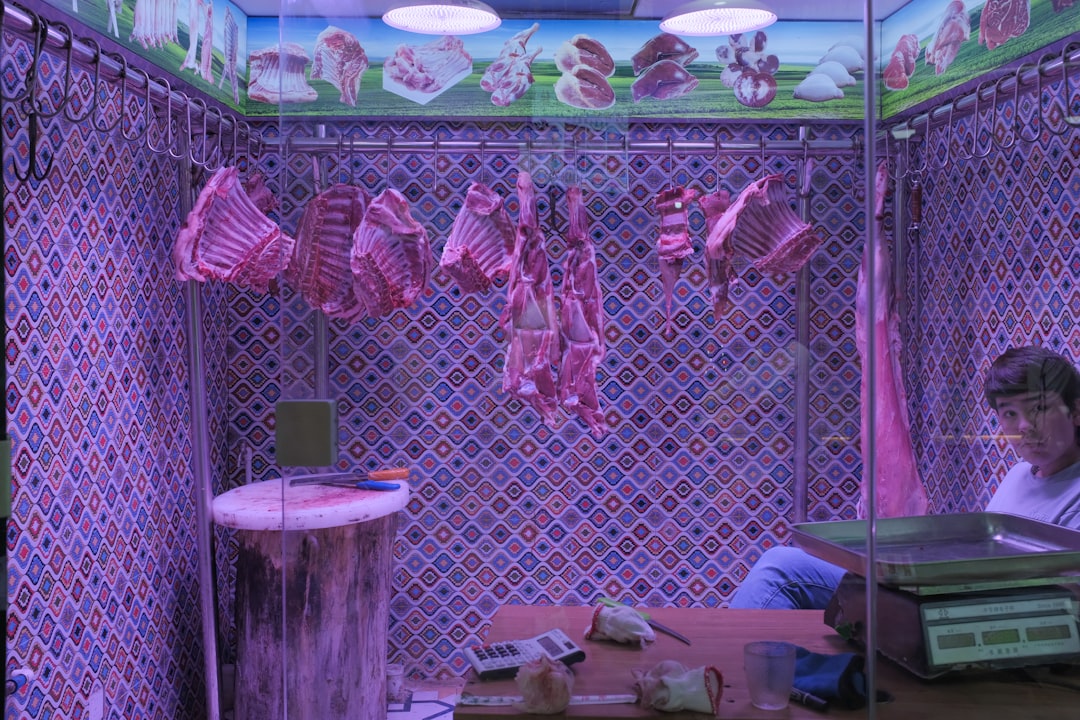
Much like a fine wine, the provenance of your pork matters. Look for meat from ethically raised, free-range pigs, if possible. This isn’t just about animal welfare; it genuinely impacts flavour and texture. The fat should be firm and white, and the meat a healthy, pinkish-red colour. Avoid pale or watery-looking pork. A good butcher can provide insight into the animal’s diet and rearing conditions, offering a level of transparency supermarkets often cannot match. Consider this an architect reviewing their materials; quality inputs lead to quality outcomes.
Preparing Your Pork: The Art of the Perfect Crackling
The crackling, that golden, blistered, audibly crunchy skin, is often the holy grail of a pork roast. It’s a textural counterpoint to the succulent meat beneath and a source of immense satisfaction. Achieving it is not a matter of luck, but of precise technique.
Scoring the Skin: Surface Area is Key
The skin of your pork joint needs to be scored. This isn’t merely aesthetic; it’s functional. Scoring allows heat to penetrate evenly, rendering the fat underneath and encouraging the skin to crisp up. It also makes serving easier.
- Method: Use a very sharp knife or, ideally, a stanley knife or craft blade (reserved solely for culinary use) to score the skin in parallel lines, about 1cm apart, without cutting into the meat itself. The goal is to cut through the skin and fat layer, but not into the muscle.
- Depth: Aim for approximately 0.5cm deep. If you can feel the scoring with your fingertip, you’re likely at the right depth.
- Pattern: Cross-hatching or diamond patterns are also effective and visually appealing.
Drying, Salting, and Oiling: The Unholy Trinity of Crackling
These three steps are non-negotiable for superior crackling. They are the essential groundwork, the preparation of the canvas before the masterpiece can begin.
- Drying: This is perhaps the most critical step. Moisture is the enemy of crispiness. Pat the skin of your pork thoroughly with kitchen paper. For best results, score the joint, then leave it uncovered in the refrigerator overnight (or for at least 8 hours). The cold, dry air of the fridge will draw out surface moisture, creating a perfect environment for crackling. Think of it as dehydrating the skin to prepare for ultimate crispness.
- Salting: Once thoroughly dry, generously rub coarse sea salt over the scored skin. The salt not only seasons the meat but also helps to draw out any remaining moisture and enhance the crisping process. Get it right into the scores. Do this immediately before roasting if the joint has been air-drying for hours.
- Oiling: A light coating of olive oil or vegetable oil will help conduct heat to the skin, promoting even browning and crisping. Apply this after salting, ensuring the salt adheres.
Roasting Temperatures and Timings: Precision in Action
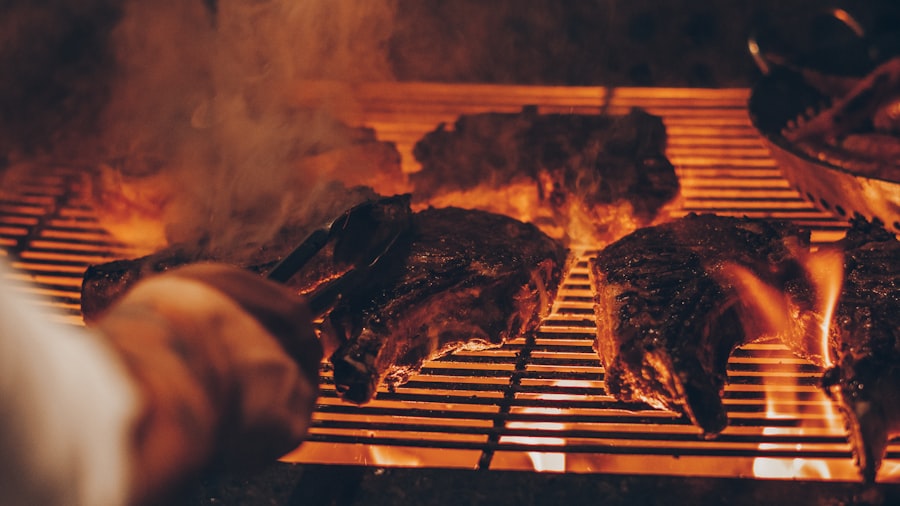
Roasting a pork joint is a dance between high heat for crackling and moderate heat for tender meat. It’s a two-stage process, much like a controlled burn in forestry; initial intensity to clear the way, followed by sustained, steady heat.
The Initial High Heat Blast
- Purpose: To kick-start the crackling process. The intense heat rapidly renders the fat and dehydrates the skin.
- Temperature: Preheat your oven to a scorching 220°C (200°C fan/Gas Mark 7).
- Duration: Roast the pork at this high temperature for 20-30 minutes, depending on the size of your joint. Keep a close eye on it during this phase; you want golden bubbles of crackling, not burnt char.
The Steady Roasting Phase
After the initial burst, reduce the oven temperature. This is where the cooking of the meat occurs, ensuring it remains succulent and tender.
- Temperature: Reduce the oven temperature to 180°C (160°C fan/Gas Mark 4).
- General Timings (as a guide, always use a thermometer):
- Pork Loin/Leg: Approximately 30-35 minutes per 500g, plus an extra 30 minutes.
- Pork Shoulder: Being a tougher cut, shoulder benefits from longer, slower cooking. Aim for 35-40 minutes per 500g, plus an extra 30-45 minutes. For pulled pork, this can extend to several hours until the internal temperature reaches 90-95°C and the meat is easily shredded.
Utilising a Meat Thermometer: Your Culinary Oracle
A reliable meat thermometer is the single most valuable tool for roasting. It removes guesswork and ensures your pork is cooked perfectly, neither underdone nor overdry.
- Target Internal Temperatures:
- Pork Loin/Leg (medium): 63-65°C (it will rise during resting).
- Pork Shoulder (for slicing): 70-75°C.
- Pork Shoulder (for pulling): 90-95°C.
- Placement: Insert the thermometer into the thickest part of the meat, avoiding any bone. The reading should be stable.
Resting the Roast: The Unsung Hero of Juiciness
Once your pork has reached its target internal temperature, resist the urge to carve it immediately. This resting period is critical, much like a runner cooling down after a race; it allows the muscle fibres to relax and reabsorb juices, resulting in a more tender and flavourful roast.
The Mechanism of Resting
During cooking, the muscle fibres contract, expelling moisture to the surface. When the heat source is removed, the fibres relax, and the juices, which have been forced to the centre, redistribute throughout the meat. Carving too soon allows these precious juices to escape onto the cutting board, leaving you with drier meat.
How to Rest Your Pork
- Covering: Loosely tent the roast with foil. This keeps the meat warm without trapping steam, which could soften your precious crackling.
- Duration: For a large pork joint, a minimum of 20-30 minutes is recommended. For smaller joints, 10-15 minutes will suffice. During this time, the internal temperature will continue to rise by a few degrees (carryover cooking), which should be factored into your cooking time.
- Location: Leave the resting pork on a cutting board, ideally with a well to catch any errant juices that can be added to your gravy.
Crafting the Perfect Gravy and Accompaniments
A magnificent pork roast demands an equally magnificent supporting cast. A robust gravy, crisp roast potatoes, and vibrant vegetables elevate the meal from a simple dish to an event.
The Gravy: The Nectar of the Gods
The pan drippings from your roast pork are a treasure trove of flavour, the very essence of your cooking efforts. Don’t let them go to waste.
- Deglazing: After removing the pork, place the roasting pan on the hob over a medium heat. Add a splash of stock (chicken or vegetable works well, or even a dry cider for a fruity note) and scrape up all the caramelised bits from the bottom of the pan with a wooden spoon. This is called deglazing.
- Thickening: Sprinkle a tablespoon or two of plain flour or cornflour into the pan, stirring constantly to form a roux. Cook for a minute or two to cook out the raw flour taste.
- Simmering: Gradually whisk in more hot stock, stirring continuously to prevent lumps, until you reach your desired consistency. Season to taste with salt, pepper, and perhaps a touch of mustard or a dash of apple cider vinegar to cut through the richness.
- Straining: For a super silky gravy, strain it through a sieve before serving.
Roast Potatoes: The Crispy Counterpart
The humble potato, when roasted correctly, transforms into a glorious golden orb of fluffy interior and shatteringly crisp exterior.
- Preparation: Peel and chop potatoes (Maris Piper or King Edward are excellent choices) into even-sized pieces. Par-boil them in salted water for 8-10 minutes until just tender on the outside. Drain thoroughly and return to the hot pan, shaking vigorously to rough up the edges – this creates more surface area for crisping.
- Roasting: Heat some fat (goose fat or beef dripping is superb, but vegetable oil works too) in a separate roasting tray in the oven until shimmering. Carefully add the roughed-up potatoes, ensuring they are in a single layer.
- Temperature & Time: Roast alongside your pork for the last hour or so, turning occasionally, until deeply golden and crispy.
The Vegetable Ensemble: Colour and Freshness
A vibrant selection of seasonal vegetables provides essential balance to the richness of the pork.
- Classic Choices: Steamed green beans, broccoli, carrots, or braised red cabbage are all excellent accompaniments.
- Flavour Pairing: Consider the robustness of your pork; a slightly acidic vegetable like braised red cabbage cuts through the richness beautifully, while something earthy like roasted parsnips complements it.
There you have it. A comprehensive guide to crafting a perfect oven-baked pork roast. It’s a culinary endeavour that rewards patience, attention to detail, and a commitment to understanding the nuances of the ingredients. Follow these steps, and you will undoubtedly achieve a roast that is not only delicious but also a source of quiet pride. Enjoy the process, and more importantly, enjoy the superb results.
FAQs
What cut of pork is best for an oven baked pork roast?
The shoulder or leg cuts are commonly used for oven baked pork roasts due to their flavour and tenderness when cooked slowly.
At what temperature should I bake a pork roast in the oven?
A typical temperature for baking a pork roast is around 180°C (350°F). Cooking times will vary depending on the size of the roast.
How long does it take to cook a pork roast in the oven?
Generally, it takes about 25 minutes per 500g (1lb) of pork at 180°C. Always use a meat thermometer to ensure the internal temperature reaches at least 70°C (160°F).
Should I cover the pork roast while baking?
Covering the roast with foil during the initial cooking phase can help retain moisture. Removing the foil towards the end allows the roast to brown and develop a crispy crust.
How can I ensure the pork roast stays juicy and tender?
Brining the pork beforehand, using a marinade, or basting the roast during cooking can help keep the meat moist. Resting the roast for 10-15 minutes after baking also allows the juices to redistribute.