Proper meat storage is a fundamental aspect of food safety that cannot be overlooked. When meat is not stored correctly, it can lead to spoilage, which not only affects the quality and taste of the meat but also poses significant health risks. Bacteria thrive in environments where meat is improperly stored, leading to foodborne illnesses that can have serious consequences.
Understanding the importance of proper meat storage is essential for anyone who handles or consumes meat, whether at home or in a professional kitchen. Moreover, proper storage extends the shelf life of meat, allowing you to enjoy it at its best. Fresh meat can be a significant investment, and wasting it due to improper storage is both frustrating and costly.
By taking the time to learn about the best practices for storing meat, you can ensure that your meals are not only delicious but also safe to eat. This knowledge empowers you to make informed decisions about purchasing, preparing, and consuming meat, ultimately enhancing your culinary experience.
Summary
- Proper meat storage is essential to maintain freshness and prevent foodborne illnesses.
- Selecting suitable packaging helps preserve meat quality and extends shelf life.
- Follow recommended refrigeration and freezing times to ensure meat safety.
- Organise your fridge and freezer to avoid cross-contamination and maintain optimal temperatures.
- Always defrost meat safely and recognise spoilage signs to avoid health risks.
Choosing the Right Packaging for Fresh Meat
Selecting the appropriate packaging for fresh meat is crucial in maintaining its quality and safety. The packaging serves as a barrier against contaminants and helps to preserve the meat’s freshness by minimising exposure to air. When purchasing fresh meat, it is advisable to choose vacuum-sealed options whenever possible.
Vacuum sealing removes air from the packaging, significantly slowing down the growth of bacteria and extending the meat’s shelf life. If vacuum-sealed packaging is not available, consider using airtight containers or resealable plastic bags. These alternatives can also help to keep the meat fresh by limiting its exposure to oxygen.
It is important to ensure that any packaging used is food-safe and free from harmful chemicals that could leach into the meat. Additionally, labelling your packages with the date of purchase can help you keep track of freshness and ensure that you use the meat within a safe timeframe.
Refrigeration and Freezing Guidelines for Meat
Refrigeration and freezing are two of the most effective methods for preserving meat. When storing fresh meat in the refrigerator, it is essential to keep it at a temperature below 5°C (41°F). This temperature range inhibits bacterial growth and helps maintain the meat’s quality.
It is advisable to store raw meat on the bottom shelf of the fridge, ideally in a separate compartment or on a plate, to prevent any juices from contaminating other foods. Freezing is an excellent option for extending the shelf life of meat significantly. When freezing meat, it is crucial to do so at a temperature of -18°C (0°F) or lower.
This temperature effectively halts bacterial growth and preserves the meat’s texture and flavour. Before freezing, ensure that the meat is well-wrapped in freezer-safe packaging to prevent freezer burn, which can negatively impact its quality. It is also wise to label each package with the date it was frozen, as this will help you keep track of how long it has been stored.
Organizing Your Fridge and Freezer for Meat Storage
An organised fridge and freezer can make a world of difference when it comes to storing meat safely and efficiently. Start by designating specific areas for raw meats, cooked meats, and other food items. This separation helps prevent cross-contamination, which can occur when juices from raw meats come into contact with ready-to-eat foods.
Using clear containers or bins can also aid in keeping everything tidy and easily accessible. In your freezer, consider using a first-in, first-out (FIFO) system. This means placing newer items behind older ones so that you use up older stock first.
This practice not only helps reduce waste but also ensures that you are consuming meat while it is still at its best quality. Regularly checking your fridge and freezer for expired items or those nearing their use-by dates can help maintain an organised space and promote food safety.
Tips for Defrosting and Thawing Meat Safely
Defrosting and thawing meat safely is just as important as proper storage. The most effective method for defrosting meat is to plan ahead and allow it to thaw gradually in the refrigerator. This method keeps the meat at a safe temperature throughout the process, minimising the risk of bacterial growth.
Depending on the size of the cut, this could take several hours or even overnight. If you need to defrost meat more quickly, you can use cold water as an alternative method. Place the meat in a sealed plastic bag and submerge it in cold water, changing the water every 30 minutes to ensure it remains cold.
It is crucial never to defrost meat at room temperature, as this can lead to uneven thawing and create an environment conducive to bacterial growth. Once thawed, cook the meat immediately or store it back in the fridge if you plan to cook it within a day or two.
Recognizing Signs of Spoiled Meat
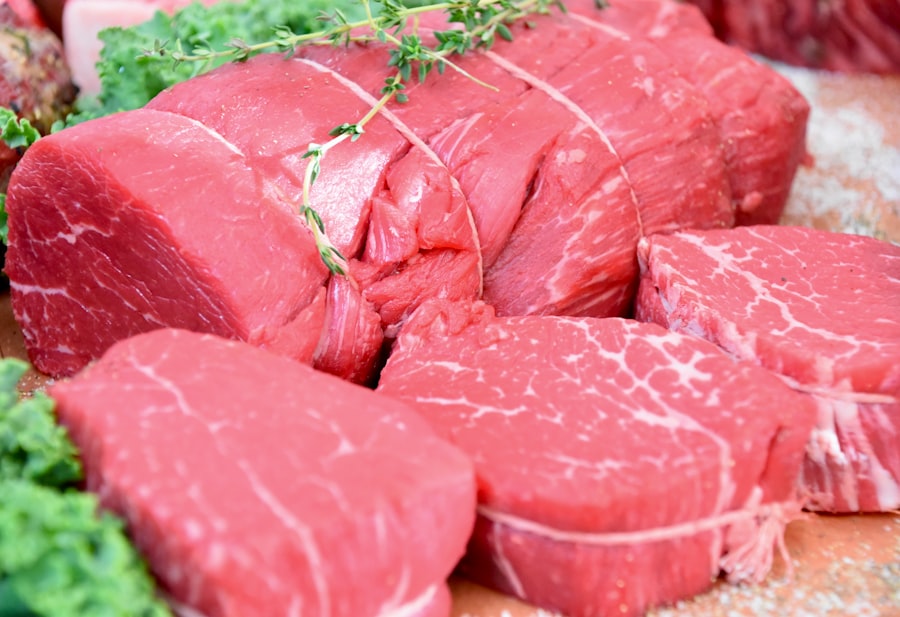
Being able to recognise signs of spoiled meat is essential for ensuring food safety in your kitchen. Fresh meat should have a bright colour; for example, beef should be a deep red, while chicken should be pinkish-white. If you notice any discolouration or greyish hues, this could indicate spoilage.
Additionally, fresh meat should have a clean smell; any sour or off odours are strong indicators that the meat has gone bad. Another sign of spoilage is a slimy texture on the surface of the meat. This sliminess can be caused by bacterial growth and should not be ignored.
If you encounter any of these signs, it is best to err on the side of caution and discard the meat rather than risk foodborne illness. Regularly checking your stored meats for these signs can help you maintain a safe kitchen environment.
Safe Handling and Hygiene Practices for Meat
Practising safe handling and hygiene when dealing with meat is vital in preventing cross-contamination and ensuring food safety. Always wash your hands thoroughly with soap and water before and after handling raw meat. This simple step can significantly reduce the risk of transferring harmful bacteria from your hands to other surfaces or foods.
In addition to handwashing, it is essential to use separate cutting boards and utensils for raw meats and other food items. This practice helps prevent cross-contamination between raw meats and ready-to-eat foods like vegetables or bread. After preparing raw meat, clean all surfaces and utensils with hot soapy water or a sanitising solution to eliminate any lingering bacteria.
Proper Disposal of Leftover Meat
Proper disposal of leftover meat is an often-overlooked aspect of food safety that deserves attention. If you have cooked more meat than you can consume within a few days, consider freezing leftovers promptly rather than letting them sit in the fridge for too long. When disposing of spoiled or expired meat, always seal it in a plastic bag before placing it in your general waste bin.
This prevents any unpleasant odours from escaping and deters pests. If you have access to composting facilities that accept animal products, check local guidelines before disposing of leftover meat this way. However, many composting systems do not accept meat due to potential odour issues and attracting pests.
Always follow local regulations regarding waste disposal to ensure that you are disposing of food waste responsibly while maintaining hygiene standards in your home. In conclusion, understanding proper meat storage techniques is essential for anyone who enjoys cooking with or consuming meat. From selecting appropriate packaging to recognising signs of spoilage, each step plays a crucial role in ensuring food safety and quality.
By implementing these practices in your kitchen, you can enjoy delicious meals while keeping yourself and your loved ones safe from foodborne illnesses.