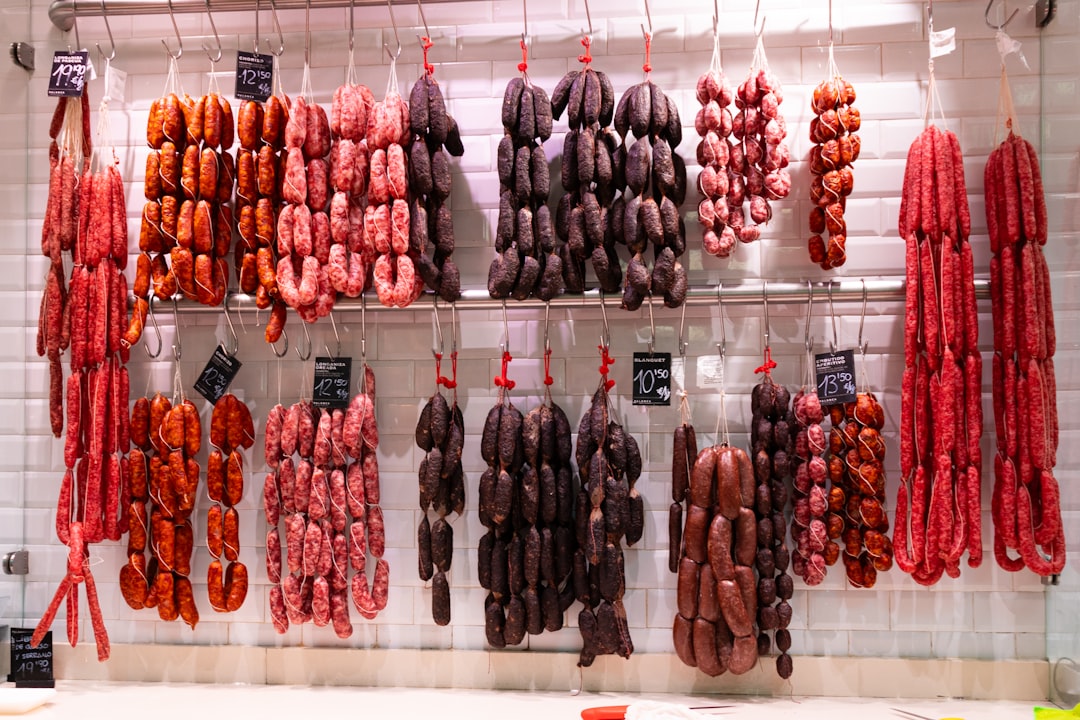
As we step into 2026, the conversation surrounding healthy eating has evolved significantly, reflecting a growing awareness of nutrition’s role in our overall well-being. The past few years have seen a surge in interest regarding dietary choices, with individuals increasingly seeking to understand the impact of their food on both personal health and the environment. In this context, healthy eating is no longer just about calorie counting or fad diets; it encompasses a holistic approach that prioritises nutrient-dense foods, sustainability, and ethical sourcing.
In this modern era, the emphasis on whole foods, including fruits, vegetables, whole grains, and lean proteins, has become paramount. Among these, lean meat has emerged as a key player in promoting a balanced diet. As we delve deeper into the significance of lean meat in our meals, we will explore its nutritional benefits, the best cuts available from local butchers in Essex, and how to seamlessly incorporate these options into our daily lives.
By making informed choices about what we eat, we can foster a healthier lifestyle while also considering our planet’s future.
Summary
- Lean meat remains a vital component of a balanced diet in 2026.
- Essex butchers recommend specific lean cuts for optimal health benefits.
- Choosing lean meat supports both personal health and environmental sustainability.
- Incorporating lean meat into meals can be simple and versatile.
- Exploring other healthy meat options complements a sustainable eating approach.
The Importance of Lean Meat in a Healthy Diet
Lean meat is often heralded as an essential component of a balanced diet due to its rich nutrient profile. It provides high-quality protein, which is crucial for muscle repair and growth, making it particularly beneficial for those who lead active lifestyles. Additionally, lean meats are typically lower in saturated fats compared to their fattier counterparts, which can help maintain healthy cholesterol levels and reduce the risk of heart disease.
This makes lean meat an excellent choice for individuals looking to manage their weight while still enjoying the flavours and textures that meat offers. Moreover, lean meats are packed with vital vitamins and minerals. For instance, they are excellent sources of B vitamins, particularly B12, which is essential for energy production and maintaining a healthy nervous system.
Iron is another critical nutrient found in lean meats, playing a pivotal role in transporting oxygen throughout the body. This combination of protein and essential nutrients makes lean meat an invaluable addition to any diet, supporting overall health and vitality.
Recommended Lean Meat Cuts by Essex Butchers

When it comes to sourcing lean meat, local butchers in Essex offer a treasure trove of options that cater to health-conscious consumers. Cuts such as chicken breast, turkey breast, and pork tenderloin are widely recognised for their low-fat content while still delivering on flavour. Chicken breast is particularly popular due to its versatility; it can be grilled, baked, or stir-fried, making it an easy addition to various dishes.
Turkey breast is another fantastic option that is often overlooked; it is not only lean but also rich in protein and can be used in everything from sandwiches to hearty casseroles. For those who prefer red meat, cuts like sirloin steak and eye of round are excellent choices. These cuts are not only lean but also provide a robust flavour that can elevate any meal.
Additionally, lamb leg is a leaner option compared to other cuts of lamb and can be enjoyed in various culinary preparations. By visiting local butchers in Essex, consumers can not only support their community but also receive expert advice on the best cuts for their dietary needs.
The Benefits of Choosing Lean Meat Cuts
Opting for lean meat cuts comes with a multitude of benefits that extend beyond mere nutrition. One of the most significant advantages is the reduction in calorie intake without sacrificing protein quality. This is particularly beneficial for those looking to lose weight or maintain a healthy weight while still enjoying satisfying meals.
Lean meats allow individuals to indulge in their favourite dishes without the guilt associated with higher-fat options. Furthermore, choosing lean cuts can contribute to better overall health outcomes. Studies have shown that diets rich in lean proteins can help regulate blood sugar levels and improve metabolic health.
This is especially important for individuals managing conditions such as diabetes or metabolic syndrome. Additionally, incorporating lean meats into meals can enhance satiety, helping individuals feel fuller for longer periods and reducing the likelihood of unhealthy snacking between meals.
How to Incorporate Lean Meat into a Healthy Diet
Incorporating lean meat into a healthy diet can be both simple and enjoyable. One effective strategy is to plan meals around lean protein sources while ensuring a colourful array of vegetables accompanies them. For instance, a grilled chicken breast served alongside a vibrant salad of mixed greens, cherry tomatoes, and avocado not only provides essential nutrients but also creates a visually appealing plate that encourages mindful eating.
Another approach is to experiment with different cooking methods that enhance the natural flavours of lean meats without adding unnecessary fats. Grilling, baking, or steaming are excellent techniques that preserve the integrity of the meat while allowing for creative seasoning options. Herbs and spices can elevate the taste without compromising health goals; consider marinating chicken in lemon juice and rosemary or seasoning pork tenderloin with garlic and thyme for a deliciously healthy meal.
The Environmental Impact of Choosing Lean Meat

As awareness of environmental issues continues to grow, many consumers are becoming more conscious of the impact their dietary choices have on the planet. Choosing lean meat can play a role in promoting sustainability within our food systems. Generally speaking, leaner cuts require less feed and resources to produce compared to fattier options.
This means that by opting for lean meats, consumers can contribute to reducing the overall carbon footprint associated with meat production. Moreover, supporting local butchers who source their meat from sustainable farms can further enhance this positive impact. Many Essex butchers prioritise ethical farming practices that focus on animal welfare and environmentally friendly methods.
By choosing locally sourced lean meat, consumers not only enjoy fresher products but also support local economies and contribute to more sustainable food systems.
Other Healthy Meat Options to Consider
While lean meat is an excellent choice for many individuals seeking a healthy diet, there are also other nutritious meat options worth considering. Fish, particularly fatty varieties like salmon and mackerel, are rich in omega-3 fatty acids that promote heart health and cognitive function. Incorporating fish into your diet at least twice a week can provide significant health benefits while adding variety to your meals.
Additionally, plant-based protein sources such as legumes, tofu, and tempeh are gaining popularity as alternatives to traditional meats. These options are not only lower in saturated fat but also offer fibre and other essential nutrients that contribute to overall health. For those looking to reduce their meat consumption without sacrificing protein intake, exploring these alternatives can lead to exciting culinary adventures while still adhering to a healthy diet.
Embracing a Healthy and Sustainable Diet with Lean Meat
In conclusion, embracing a healthy diet in 2026 involves making informed choices about the foods we consume, with lean meat standing out as a vital component of this journey. The nutritional benefits of lean cuts cannot be overstated; they provide essential proteins and nutrients while supporting overall health goals. By sourcing these meats from local butchers in Essex, consumers can enjoy high-quality products while contributing to sustainable practices within their communities.
As we navigate our dietary choices in an increasingly complex world, it is essential to consider not only our health but also the environmental implications of our food consumption. By prioritising lean meats alongside other nutritious options like fish and plant-based proteins, we can create balanced meals that nourish our bodies and respect our planet. Ultimately, embracing a healthy and sustainable diet with lean meat allows us to enjoy delicious meals while fostering a brighter future for ourselves and generations to come.