Roasted lamb rack, a venerable centrepiece of culinary tradition, offers a nuanced blend of succulence and flavour that has captivated diners for centuries. Its distinguished appearance and relatively straightforward preparation belie a depth of taste and versatility that continues to make it a popular choice for both everyday dining and special occasions. This article explores a variety of approaches to preparing this esteemed cut, drawing upon established culinary techniques to achieve optimal results.
Before delving into specific recipes, it is crucial to understand the lamb rack itself. This cut, frequently referred to as a “rack of lamb,” comprises the ribs from the loin, typically featuring between five and eight bones. The meat is tender and relatively lean, framed by a layer of fat that, when rendered correctly, contributes significantly to its succulence and flavour profile.
Selecting Your Lamb Rack
The quality of the final dish is intrinsically linked to the quality of the raw ingredient. When selecting a lamb rack, consider the following:
- Origin: British lamb, particularly Welsh lamb, is renowned for its distinctive flavour, often attributed to the country’s lush pastures and traditional farming methods. However, lamb from New Zealand and Australia also enjoys widespread availability and offers a delicious alternative.
- Appearance: Look for a rack with a healthy red colour, Marbling, the fine streaks of fat within the muscle, indicates tenderness and flavour. The fat cap should be firm and white. Avoid lamb that appears pale or greyish, as this may indicate older meat or poor storage.
- “Frenching” the bones: Many butchers will “French” the bones for you, a process where the meat and fat are meticulously trimmed from the ends of the rib bones, leaving them exposed. This presentation is aesthetically pleasing and aids in even cooking, as well as making it easier to carve. If your rack is not Frenched, this can be done at home with a sharp knife, a skill that, though initially daunting, becomes intuitive with practice.
Preparing the Lamb Rack for Roasting
Proper preparation is the cornerstone of a successful roast.
- Temperature Acclimatisation: Before cooking, remove the lamb rack from the refrigerator and allow it to come to room temperature for at least 30-60 minutes. This ensures more even cooking, preventing the exterior from overcooking whilst the interior remains underdone. Think of it as allowing the meat to relax and open up to the heat, rather than being shocked by it.
- Scoring the Fat: The fat cap, whilst essential for flavour, can prevent even rendering if not properly managed. Lightly score the fat in a crosshatch pattern, taking care not to cut into the muscle meat. This allows the fat to render more efficiently, creating a crisp, golden crust whilst simultaneously moistening the meat.
- Seasoning: A simple, yet effective, seasoning approach often yields the best results. Coarse sea salt and freshly cracked black pepper are fundamental. Beyond this, consider aromatics such as finely chopped garlic, rosemary, and thyme. These herbs possess a natural affinity for lamb, their pungent notes cutting through the richness of the meat. A light application of olive oil can help the seasoning adhere.
Mastering the Roast: Techniques for Perfection
Roasting a lamb rack is a delicate balance of heat and time, a culinary dance where precision is paramount. The goal is a beautifully browned exterior and a tender, juicy interior, a testament to careful execution.
The High-Heat Sear and Finish Method
This method is arguably the most popular and often yields exceptional results, creating a wonderfully crisp crust whilst ensuring the interior remains succulent.
- Initial Sear: Begin by searing the lamb rack in a very hot pan – ideally an oven-safe, heavy-bottomed pan like a cast-iron skillet – for 2-3 minutes per side. This rapid application of high heat initiates the Maillard reaction, the complex chemical process responsible for the desirable browning and development of deep, savoury flavours. It’s like sealing the flavour within a delicious brown envelope.
- Oven Roasting: Transfer the seared lamb rack to a preheated oven, typically set between 180°C and 200°C (Gas Mark 4-6). The cooking time will vary depending on the desired doneness and the size of the rack.
- Resting: This step is non-negotiable. Once removed from the oven, cover the lamb rack loosely with foil and allow it to rest for at least 10-15 minutes. During this period, the internal temperature will continue to rise slightly (carryover cooking), and the muscle fibres will relax, allowing the juices to redistribute evenly throughout the meat. Cutting into the lamb too soon is akin to puncturing a well-filled balloon; the precious juices will escape.
The Low-and-Slow Approach
For those seeking an even more tender and uniformly cooked interior, a low-and-slow roasting method can be employed, though it requires more time.
- Lower Temperature Roast: Roast the lamb rack at a lower temperature, say 140°C-160°C (Gas Mark 1-3), for an extended period. This gentle heat gradually cooks the meat, minimizing moisture loss and resulting in a remarkably tender product.
- Finishing Sear (Optional): Once the desired internal temperature is almost reached, you can opt to sear the lamb rack in a very hot pan for a few minutes on each side to create a crisp exterior, if desired.
Achieving Desired Doneness: The Thermometer is Your Ally
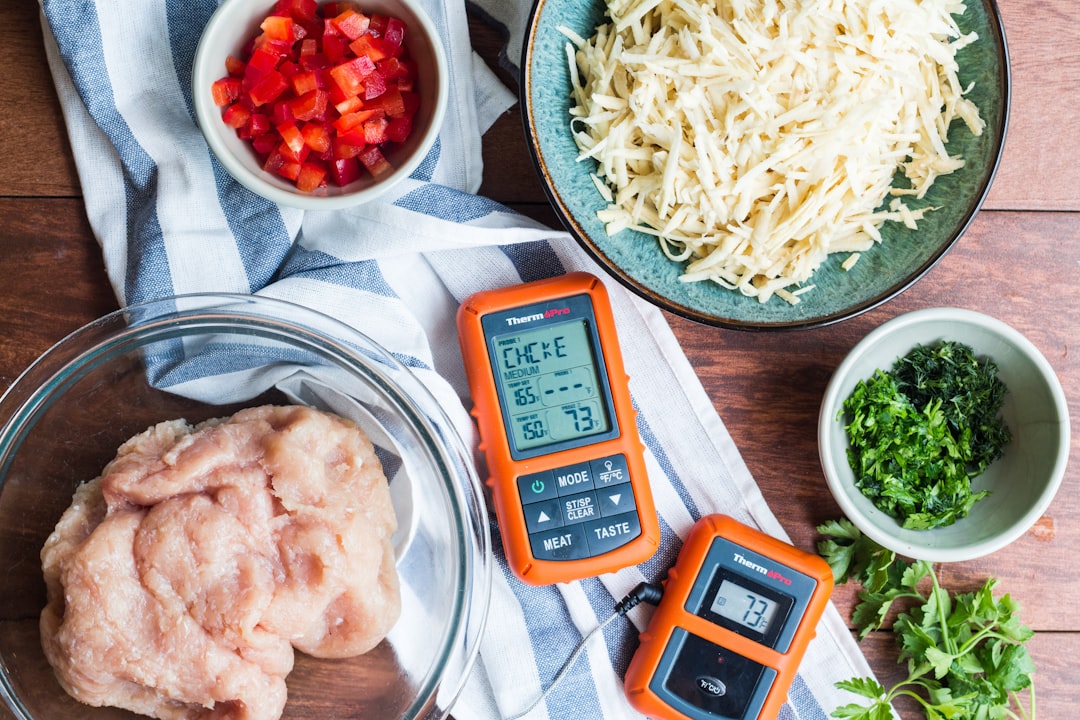
The most reliable way to gauge the doneness of your lamb rack is by using a meat thermometer. Visual cues can be deceptive, but a thermometer provides an objective measure. Insert the thermometer into the thickest part of the meat, avoiding the bone.
- Rare: 50-52°C
- Medium-Rare: 55-57°C (often considered ideal for lamb rack)
- Medium: 60-63°C
- Well-Done: Not typically recommended for lamb rack, as it can become dry and tough, but generally around 68-70°C.
Remember that the internal temperature will rise by 2-3°C during the resting period.
Classic Accompaniments and Flavour Pairings
A perfectly roasted lamb rack deserves equally thoughtful accompaniments. These pairings are not mere afterthoughts; they are integral to the overall culinary experience, complementing the lamb’s rich flavour without overwhelming it.
Root Vegetable Medley
A classic and robust pairing that brings a welcome earthy sweetness to the table.
- Preparation: Chunks of potatoes (such as Maris Piper or King Edward), carrots, parsnips, and red onions can be tossed with olive oil, rosemary, thyme, salt, and pepper.
- Roasting: Roast alongside the lamb, or separately if different cooking times are required, until tender and lightly caramelised. The natural sugars in the vegetables develop a delightful sweetness when roasted, creating a harmonious contrast with the savoury lamb.
Mint Sauce: A Timeless Companion
Mint sauce is an almost ubiquitous accompaniment to lamb in British cuisine, and for good reason. Its sharp, fresh acidity cuts through the richness of the meat, offering a palate-cleansing counterpoint.
- Traditional Recipe: Finely chop fresh mint leaves and combine with white wine vinegar, granulated sugar, and a pinch of salt. Allow it to sit for at least 30 minutes for the flavours to meld. Some variations include a touch of boiling water to slightly soften the mint.
- Modern Twist: For a slightly more sophisticated take, consider a mint and pea purée, or a salsa verde incorporating mint alongside parsley and capers.
Other Notable Pairings
Beyond the traditional, consider these options to elevate your lamb rack experience:
- Asparagus with Lemon Butter: The bright, slightly bitter notes of asparagus, enhanced by a simple lemon butter, provide a fresh contrast.
- Creamy Dauphinois Potatoes: Layers of thinly sliced potatoes baked in cream and garlic offer an indulgent and comforting side.
- Green Beans with Toasted Almonds: A simple yet elegant vegetable side that adds texture and a subtle nutty flavour.
- Red Wine Jus: A rich, glossy sauce made from reduced red wine, stock, and the pan drippings from the lamb, adds depth and sophistication. This takes time to make but is well worth the effort, acting as a delicious conduit between the lamb and its accompaniments.
Creative Lamb Rack Recipes: Beyond the Traditional
While a simple salt, pepper, and herb rub often suffices, the lamb rack is also a canvas for more ambitious flavour profiles. Here are a few inspirations to broaden your culinary horizons.
Herb-Crusted Lamb Rack with Pistachio
This recipe elevates the classic herb crust with the addition of pistachios, providing a delightful texture and subtle nutty flavour.
- Crust Preparation: In a food processor, pulse together fresh breadcrumbs (Panko breadcrumbs offer a great crispiness), finely chopped fresh rosemary, thyme, garlic, and shelled pistachios. Add a drizzle of olive oil to bind the mixture.
- Application: Once the lamb rack has been seared, brush it generously with Dijon mustard – this acts as an adhesive – then press the herb and pistachio mixture firmly onto the fat cap.
- Roasting: Proceed with roasting as per the high-heat sear and finish method, ensuring the crust doesn’t burn. Monitor it carefully; if browning too quickly, loosely tent with foil. The crust acts as a protective layer, allowing the interior to remain moist.
Mediterranean-Inspired Lamb Rack
Embrace the vibrant flavours of the Mediterranean with this aromatic preparation.
- Marinade: Create a robust marinade using olive oil, minced garlic, fresh oregano, lemon zest, a pinch of red pepper flakes, and a touch of dried rosemary.
- Marinating: Rub the marinade generously over the lamb rack and allow it to marinate in the refrigerator for at least 2 hours, or ideally overnight. The longer the marination, the deeper the flavour penetration.
- Roasting: Remove the rack from the marinade, wipe off any excess, and proceed with your chosen roasting method. The exterior will develop a wonderfully fragrant crust.
- Accompaniments: Serve with a vibrant Greek salad, couscous infused with fresh herbs and lemon, or roasted bell peppers and courgettes. The sharp, fresh notes of these accompaniments perfectly balance the richness of the lamb.
Spiced Lamb Rack with Harissa Glaze
For those who appreciate a touch of warmth and vibrancy, a spiced version with a harissa glaze can be truly captivating.
- Spice Rub: Combine ground cumin, coriander, smoked paprika, a pinch of cayenne pepper (adjust to taste), salt, and black pepper. Rub this mixture generously onto the lamb rack.
- Harissa Glaze: Whisk together harissa paste (a North African chilli paste), honey or maple syrup, a squeeze of fresh orange juice, and a spoonful of olive oil.
- Application & Roasting: Sear the lamb rack. During the last 10-15 minutes of roasting, brush the harissa glaze over the rack, allowing it to caramelise into a delicious, slightly sticky coating. Be mindful not to apply too early, as the sugars in the glaze can burn.
- Serving Suggestions: This dish pairs well with a cooling yoghurt and cucumber raita, couscous with dried fruit, or roasted sweet potatoes. The slight heat from the harissa is beautifully balanced by the sweetness and the lamb’s inherent richness.
Carving and Presentation: The Grand Finale
The final act in the preparation of roasted lamb rack is the carving and presentation. Done with care, it transforms a culinary effort into a visual feast.
The Art of Carving
Carving a lamb rack is relatively straightforward, especially if the bones have been Frenched.
- Allow to Rest: As reiterated, do not carve before the resting period.
- Stabilisation: Place the rested lamb rack on a clean cutting board, fat-side up.
- Slicing: Using a sharp carving knife, slice down between each bone, creating individual lamb chops. For particularly large racks, you might choose to carve two bones per portion. A single swift cut, rather than sawing motions, will ensure clean edges and prevent tearing the meat.
Elegant Presentation
Presentation significantly enhances the dining experience.
- Plating: Arrange the individual lamb chops artistically on a warm plate. A common presentation involves layering them slightly, perhaps against a bed of vegetables or a smear of purée.
- Garnish: A sprig of fresh rosemary or thyme, a sprinkle of finely chopped parsley, or a drizzle of your accompanying sauce can add a final flourish, enhancing both visual appeal and aroma. Consider a scattering of toasted pine nuts or a few vibrant pomegranate seeds for an extra touch of colour and texture, especially with Mediterranean or spiced variations.
The roasted lamb rack, in its many guises, remains a testament to the enduring appeal of quality ingredients treated with care and respect. From classic preparations to more adventurous flavour combinations, its ability to impress is unwavering. By understanding the fundamentals of selection, preparation, and cooking techniques, you can confidently produce a dish that is both delicious and visually stunning, consistently delivering a meal that is both satisfying and memorable. So, approach your lamb rack with the precision of an artisan and the passion of a gourmand, and you will undoubtedly be rewarded with a culinary triumph.
FAQs
What is the best way to prepare a lamb rack for roasting?
The best way to prepare a lamb rack for roasting is to trim excess fat and silver skin, season it generously with salt, pepper, and herbs such as rosemary or thyme, and allow it to come to room temperature before cooking. This ensures even roasting and enhances flavour.
At what temperature should a lamb rack be roasted?
A lamb rack is typically roasted at a high temperature, around 200°C (400°F), to develop a crispy exterior. After an initial blast of heat, the temperature can be reduced to about 180°C (350°F) to cook the meat evenly without drying it out.
How long does it take to roast a lamb rack?
Roasting time depends on the size of the rack and desired doneness. Generally, a 500g lamb rack takes about 20-25 minutes for medium-rare. It is advisable to use a meat thermometer to check for an internal temperature of 57°C (135°F) for medium-rare.
What herbs and spices complement roasted lamb rack recipes?
Common herbs and spices that complement roasted lamb rack include rosemary, thyme, garlic, mint, black pepper, and sometimes cumin or coriander. These enhance the natural flavour of the lamb without overpowering it.
Can roasted lamb rack be served cold or as leftovers?
Yes, roasted lamb rack can be served cold or used in leftovers. Cold slices are excellent in sandwiches or salads. To retain moisture, it is best to store leftovers wrapped tightly in the refrigerator and consume within 2-3 days.