Lamb shanks are a hearty and flavourful cut of meat, popular in British cuisine for centuries. Their slow-cooking nature makes them ideal for creating rich, tender dishes that are perfect for a warming meal. This article will explore the history, preparation, and classic recipes for this beloved British staple, offering a guide to unlocking the full potential of your lamb shanks.
The lamb shank, a cut from the lower part of the lamb’s leg, is characterised by its significant connective tissue and bone. This composition, which might seem unappealing at first glance, is precisely what makes it so rewarding to cook. The slow, moist cooking methods that lamb shanks excel at effectively break down this connective tissue, transforming it into gelatin. This gelatin, in turn, enriches the braising liquid and imbues the meat with an unparalleled tenderness and depth of flavour, making it fall off the bone with minimal effort.
A History Forged in the Hearth
The provenance of lamb shank as a culinary staple is rooted deeply within British history, particularly in regions where sheep farming has long been a cornerstone of the agricultural landscape. Before the advent of modern refrigeration and high-speed transportation, cuts of meat that required longer cooking times were commonplace. Home cooks and professional chefs alike understood the value of transforming tougher cuts into succulently tender meals through patient simmering and braising. The lamb shank, readily available and economical, was a natural fit for this culinary philosophy.
From Rural Necessity to Culinary Icon
In historical contexts, particularly in rural Britain, resourcefulness was key. No part of the animal was wasted, and the lamb shank, with its bone and marrow, offered not just meat but also flavour and sustenance. Cooked over open fires or in rudimentary ovens, the slow cooking process allowed the meat to tenderise over hours, often infused with root vegetables and herbs from the kitchen garden. This approach was not merely about survival; it was about maximising flavour and creating nourishing meals that could be enjoyed by the entire family.
The Evolution of the Shank
As culinary techniques evolved and kitchens became more sophisticated, so too did the popular methods for preparing lamb shanks. What began as a humble, slow-cooked stew gradually became elevated. The introduction of wine, richer stocks, and a wider array of aromatic vegetables and spices allowed for more complex flavour profiles. The lamb shank transitioned from a dish perhaps primarily found on the farmhouse table to a regular feature in pubs and restaurants, a testament to its enduring appeal and versatility. Its presence on menus, from gastropubs to fine dining establishments, signifies its status as a classic British dish, capable of satisfying both the desire for comfort food and the appetite for sophisticated flavours.
Understanding the Cut: What Makes a Shank Special
The physical characteristics of a lamb shank are fundamental to its culinary success. It is a muscle that has worked hard throughout the lamb’s life, resulting in a robust structure that, when treated correctly, yields extraordinary results.
The Power of Connective Tissue
The key to a tender lamb shank lies in its abundance of collagen, a type of connective tissue. When subjected to low temperatures over an extended period, collagen undergoes a process known as gelatinisation. It breaks down and transforms into gelatin, a rich, unctuous substance that coats the muscle fibres, creating that signature fall-apart texture and contributing a luxurious mouthfeel to the dish. This is why searing the shank first is crucial, as it also contributes to the Maillard reaction, developing deeper flavours that will permeate the entire dish.
The Role of the Bone
The bone within the lamb shank is not merely there for structural support; it is a vital component of the cooking process. As the shank braises, the bone marrow slowly releases its fats and flavour compounds into the cooking liquid. This acts as a natural flavour enhancer, adding a rich, savoury depth that is difficult to replicate with other ingredients. Often, the marrow itself becomes a desirable element to be scooped out and enjoyed.
The Art of Slow Cooking: Mastering the Braise
Slow cooking, particularly braising, is the cornerstone of achieving a truly exceptional lamb shank. This method is not about speed; it is about patience and allowing the ingredients to meld and develop over time. Braising involves searing the meat to build a flavour base, then submerging it in a liquid and cooking it gently at a low temperature, typically in an oven or on a stovetop.
The Searing Stage: Building the Foundation of Flavour
Before embarking on the braising process, searing the lamb shanks is a non-negotiable step. This initial browning, also known as the Maillard reaction, is where much of the initial flavour is created. It caramelises the natural sugars in the meat and forms a deliciously browned crust. This crust will not only add visual appeal to the final dish but, more importantly, contributes a deep, savoury complexity that will infuse the entire braising liquid. Use a hot, heavy-based pan with a little oil and sear the shanks on all sides until they achieve a rich, golden-brown hue. Don’t overcrowd the pan; this will steam the meat rather than sear it.
The Braising Liquid: A Symphony of Flavours
The braising liquid is the lifeblood of your lamb shank dish. It is within this liquid that the magic of slow cooking truly unfolds. A well-constructed braising liquid will not only tenderise the meat but will also impart a multitude of flavours that complement and enhance the lamb.
Essential Components of a Classic Braise
A classic British braising liquid typically begins with a flavour base. This often involves sweating aromatic vegetables such as onions, carrots, and celery (mirepoix) in the same pan used for searing the shanks, allowing them to soften and release their natural sweetness and savoury notes. Garlic is also a common and valuable addition. The deglazing process, where a liquid like red wine or rich stock is used to lift the browned bits from the bottom of the pan, is crucial for incorporating all the developed flavours into the braise. This liquid then forms the foundation for the broth, providing depth and body.
Enhancing the Broth: Herbs, Spices, and Beyond
Beyond the fundamental aromatics and liquids, a variety of herbs and spices can be used to elevate the braising liquid. Classic pairings with lamb include rosemary, thyme, and bay leaves, their pungent aromas infusing the meat with a characteristic herbaceous fragrance. Peppercorns, a sprig of parsley, or even a pinch of dried chillies can add subtle layers of warmth and spice. For a richer, more nuanced flavour, consider adding a splash of Worcestershire sauce or a tablespoon of tomato purée to the liquid. The aim is to create a liquid that is robust enough to stand up to the rich flavour of the lamb but balanced enough not to overpower it.
The Gentle Art of Simmering
Once the shanks are seared and the braising liquid is prepared, the gentle art of simmering at a low temperature comes into play. This can be achieved either on the stovetop over a very low heat, or more commonly, in a preheated oven. The oven provides a more consistent and even heat distribution, which is ideal for slow cooking. The key is to maintain a temperature that allows for gentle bubbling, not a rolling boil. The total cooking time can vary significantly depending on the size and thickness of the shanks, but generally ranges from 2 to 4 hours. The meat is ready when it is exceptionally tender and can be easily pulled away from the bone with a fork.
Classic British Lamb Shank Recipes: Time-Honoured Traditions
While the fundamental principles of braising remain consistent, a variety of classic recipes showcases the versatility of lamb shanks within British cuisine. These recipes often differ in their choice of liquid, aromatics, and accompanying flavours, each offering a unique interpretation of this beloved dish.
The Traditional Red Wine Braise: A Gastronomic Pillar
The red wine braised lamb shank is arguably the most iconic and widely recognised version of this classic dish. It is a robust and deeply flavourful preparation that has become a staple in both home kitchens and restaurant menus across the UK.
Building the Layered Flavours
This recipe typically begins with searing the lamb shanks to a deep golden-brown. The mirepoix – onions, carrots, and celery – is then softened in the same pan, followed by garlic. Crucially, dry red wine, such as a Cabernet Sauvignon or a Merlot, is added to deglaze the pan, scraping up all the delicious browned bits. This wine reduces, concentrating its flavour. A good quality beef or lamb stock is then added, alongside herbs like rosemary and thyme. Bay leaves are also a common addition, imparting a subtle but distinct woody aroma. Some recipes might include a tablespoon of tomato purée for added depth and a hint of acidity.
The Slow Transformation in the Oven
The shanks are then submerged in this rich liquid and transferred to a preheated oven, typically around 160°C (140°C fan/Gas Mark 3). They are then left to braise gently for a minimum of two to three hours, or until the meat is so tender that it almost falls from the bone. The long, slow cooking allows the tough connective tissues in the shank to break down, creating a meltingly tender texture, and the flavours of the wine, stock, and aromatics meld beautifully, creating a complex and satisfying gravy.
Serving Suggestions for a Sophisticated Meal
This classic dish is traditionally served with creamy mashed potatoes, which act as the perfect vehicle for soaking up the rich, red wine gravy. Other popular accompaniments include seasonal roasted root vegetables, such as parsnips and potatoes, or a side of steamed greens like broccoli or kale for a touch of freshness. A dollop of horseradish sauce can also offer a pleasant counterpoint to the richness of the lamb.
The Ale-Braised Shank: A Pub Classic Reinvented
Embracing the heritage of British pubs, the ale-braised lamb shank offers a hearty and deeply savoury alternative to the red wine version. The use of ale imparts a distinct character and earthy depth to the dish.
The Character of British Ale
The choice of ale is significant here. A good quality stout, porter, or a robust dark ale works best, as their malty, sometimes slightly bitter notes complement the richness of the lamb. The ale not only tenderises the meat but also contributes complex, slightly caramelised flavours to the braising liquid. This is a dish that truly embodies the spirit of cosy British pub dining.
A Hearty Combination of Ingredients
Similar to the red wine braise, searing the shanks is the first step. The mirepoix is then softened. Instead of red wine, a generous amount of dark ale is used for deglazing. A good quality lamb or beef stock is then added to build up the liquid. Fresh thyme and bay leaves are classic herb choices, and some recipes might include a touch of wholegrain mustard for a subtle tang. A knob of butter or even a splash of beef dripping can be added to the braising liquid for extra richness.
The Joys of Long, Slow Cooking
The lamb shanks are then braised in this malty, aromatic liquid, typically in the oven at a similar temperature to the red wine braise, for two to three hours. The ale breaks down the connective tissues and infuses the meat with its distinctive flavour. The resulting gravy is often thicker and more intensely flavoured than its wine counterpart, with a wonderfully comforting aroma.
Pub Grub Elevated
This ale-braised shank is a perfect partner for rustic accompaniments. Thick-cut chips, a hearty portion of bubble and squeak, or a simple side of peas are all ideal. A crusty bread roll is essential for mopping up every last drop of the rich gravy. This is a dish that speaks of tradition, warmth, and generous portions, embodying the essence of true British comfort food.
The Rosemary and Garlic Classic: Simplicity at its Finest
Sometimes, the most profound flavours are born from the simplest of ingredients. The rosemary and garlic lamb shank recipe celebrates the inherent deliciousness of the lamb itself, enhanced by these aromatic powerhouses.
The Aromatic Power Duo
This preparation focuses on the classic pairing of fresh rosemary and garlic. The lamb shanks are often marinated in olive oil, crushed garlic cloves, and plenty of fresh rosemary sprigs for at least a few hours, or even overnight, to allow the flavours to penetrate the meat. This passive infusion of flavour is a gentle but effective way to build complexity.
Beyond the Sear: Roasting with Aromatics
While searing can still be employed, some variations of this recipe opt for a more direct roasting approach. The shanks, coated in olive oil, chopped fresh rosemary, minced garlic, salt, and black pepper, are placed in a roasting tin. A splash of white wine or chicken stock is then added to the bottom of the tin to create a little moisture and encourage steam. The shanks are then roasted in a moderately hot oven, around 180°C (160°C fan/Gas Mark 4), for approximately 2 to 3 hours, basting occasionally.
A Fragrant and Tender Result
The rosemary and garlic infuse the lamb with their characteristic fragrant and slightly peppery notes, while the slow roasting tenderises the meat beautifully. The natural juices released by the lamb, combined with the stock or wine, create a lighter, yet still flavourful, sauce.
Versatile Pairings
This recipe lends itself to a wide range of accompaniments. It is excellent with roasted new potatoes, a simple green salad for brightness, or buttered cabbage. The clean, aromatic flavours make it a versatile choice for various side dishes, allowing the quality of the lamb to shine.
Tips for Perfect Lamb Shanks Every Time
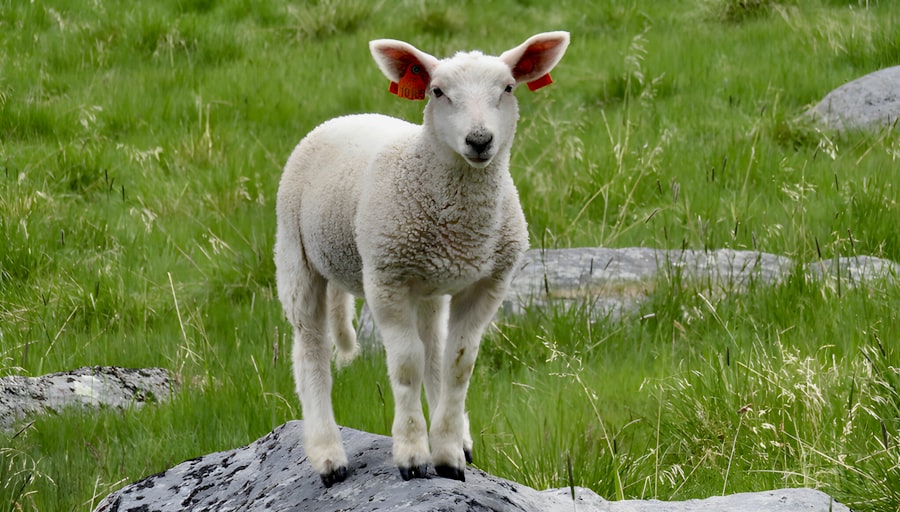
Achieving consistently excellent lamb shanks requires attention to detail at each stage of the cooking process. Here are some expert tips to help you navigate the journey from raw cut to culinary triumph.
Choosing Your Lamb Shanks
The quality of your starting ingredient is paramount. When selecting lamb shanks, look for:
- Colour: The meat should be a healthy pinkish-red colour. Avoid anything that looks grey or dull.
- Marbling: While not as heavily marbled as some other cuts, a little internal fat will contribute to flavour and moisture during cooking.
- Size: Shanks come in various sizes. Larger shanks may require slightly longer cooking times. Consider the number of people you are serving when making your selection.
- Source: Opt for lamb from reputable butchers or supermarkets known for their quality produce. British lamb, particularly, has a reputation for its excellent flavour.
The Importance of Proper Searing
As mentioned previously, searing is a critical step. Here’s a refresher:
- Hot Pan, Good Fat: Ensure your pan is sufficiently hot before adding the shanks. Use a stable cooking fat like vegetable oil or beef dripping that can withstand high temperatures.
- Don’t Crowd: Sear the shanks in batches if necessary. Overcrowding the pan will cause them to steam rather than brown, diminishing the flavour development.
- Even Browning: Aim for a deep, even golden-brown crust on all sides of the shank. This is where the foundation of flavour is laid.
Controlling the Cooking Environment
The low and slow approach is key to tender lamb.
- Low Oven Temperature: A consistently low oven temperature (around 140°C-160°C) is crucial. This gentle heat allows the collagen to break down gradually without drying out the meat.
- Covered Cooking Vessel: Always cook your lamb shanks in a covered pot, Dutch oven, or oven-safe casserole dish. This creates a steamy environment that helps to keep the meat moist throughout the long cooking process.
- Checking for Tenderness: Don’t rely solely on time. The shanks are ready when the meat is exceptionally tender and easily pulls away from the bone. A fork should glide through it with minimal resistance. Tentative probing is a more reliable indicator than a strict time limit.
Releasing the Full Flavour of the Gravy
The braising liquid transforms into a delicious gravy, and enhancing it is an art in itself.
- Skimming Excess Fat: After the shanks have finished cooking, carefully remove them from the braising liquid. Skim off any excess fat from the surface of the liquid. This can be done with a ladle or by allowing the liquid to cool slightly and then spooning off the solidified fat.
- Reducing the Liquid: For a thicker, more intensely flavoured gravy, place the braising liquid in a saucepan and simmer it gently until it has reduced to your desired consistency. This concentrates the flavours.
- Adding a Touch of Acidity or Sweetness: A squeeze of lemon juice, a splash of good quality vinegar, or a tiny pinch of sugar can help to balance the richness of the gravy and brighten the overall flavour profile.
- Thickening Agents (If Necessary): If the gravy isn’t quite thick enough after reduction, you can whisk in a slurry of cornflour (cornstarch) and water, or a knob of butter whisked with flour (a beurre manié), to achieve the desired thickness.
Beyond the Braise: Variations and Modern Interpretations
While the classic braised lamb shank remains a beloved dish, contemporary cooks are exploring new and exciting ways to prepare this versatile cut, pushing the boundaries of traditional British cuisine.
The Marinated and Grilled Shank: A Lighter Approach
For those seeking a slightly lighter preparation, marinating lamb shanks and then grilling them offers a different flavour profile and texture. This method relies on the flavours of the marinade to tenderise and infuse the meat before a quicker cooking process.
Crafting the Marinade
Marinades for lamb shanks can be diverse, incorporating ingredients like olive oil, lemon juice, garlic, herbs (rosemary, mint, oregano), and a touch of spice. Some popular additions include honey or maple syrup for a hint of sweetness to aid caramelisation, or even yoghurt for a softening effect. The shanks would typically be marinated for at least 4-6 hours, or ideally overnight, to allow the flavours to penetrate.
The Art of the Grill
Once marinated, the shanks are grilled over medium heat until cooked through and well-charred. This method results in a more pronounced, smoky flavour and a slightly firmer texture compared to braised shanks. Careful monitoring is required to prevent overcooking, as the grilling process is much faster than braising.
Serving with Freshness
Grilled lamb shanks pair well with fresh, vibrant accompaniments. A zesty couscous salad, a rocket and parmesan salad, or grilled Mediterranean vegetables would all provide a refreshing contrast to the rich lamb.
The Shepherd’s Pie Trove: A Deconstructed Delight
Elevating the humble Shepherd’s Pie, some modern interpretations utilise tender, shredded lamb shank meat as the filling. This offers a luxurious take on a classic comfort food.
Slow-Cooked and Shredded
The lamb shanks are slow-cooked using a braising method until exceedingly tender. Once cooked, the meat is carefully removed from the bone and shredded, ensuring all the succulent strands are captured. The remaining braising liquid can then be enriched and reduced to form a rich, flavourful sauce to bind the shredded meat.
A Rich and Textural Filling
This shredded lamb filling, bound in its own rich gravy, provides a far more complex and textural experience than traditional minced lamb. It is then topped with a generous layer of creamy mashed potato, perhaps enriched with cheese or herbs, and baked until golden and bubbling.
A Comforting Classic Reimagined
This deconstructed approach to Shepherd’s Pie offers a sophisticated yet comforting meal, showcasing the depth of flavour that can be achieved by using a premium cut of lamb.
Adventurous Flavours: Global Influences on British Shanks
British cuisine is increasingly embracing global flavours, and lamb shanks are no exception. Contemporary chefs are experimenting with influences from around the world to create exciting new variations.
Asian-Inspired Lamb Shanks
For instance, lamb shanks can be braised in a broth infused with star anise, ginger, garlic, soy sauce, and a touch of chilli, creating a fragrant and subtly spiced dish. Served with sticky rice and steamed pak choi, this offers a delightful fusion of British and Asian culinary traditions.
Mediterranean Twists
Another avenue of exploration involves incorporating Mediterranean flavours. Braising lamb shanks with tomatoes, olives, capers, oregano, and a splash of white wine can result in a robust and rustic dish reminiscent of Italian or Greek cuisine. Accompaniments could include orzo or a simple tomato and basil salad.
A World of Possibilities
These global influences demonstrate that the humble lamb shank is a global culinary ambassador in its own right, capable of adapting to a wide array of flavours and cooking styles, proving that classic ingredients can always be reinvented with a touch of imagination.
The lamb shank, with its rich history and inherent culinary potential, continues to be a cherished ingredient in British kitchens. Whether prepared in one of its time-honoured traditional recipes or reimagined with modern twists, its ability to transform into a succulent, flavourful dish makes it a true testament to the enduring appeal of slow-cooked perfection. By understanding the characteristics of the cut and embracing the art of gentle cooking, you can unlock the full potential of this magnificent ingredient and create truly memorable meals.
FAQs
What are lamb shanks and how are they best cooked?
Lamb shanks are the lower part of the leg of the lamb, known for their rich flavour and tender texture when cooked slowly. They are best cooked using slow-cooking methods such as braising or stewing to break down the tough connective tissue, resulting in succulent, tender meat.
What are some popular recipes using lamb shanks?
Popular recipes include braised lamb shanks in red wine, slow-cooked lamb shanks with rosemary and garlic, Moroccan-style lamb shanks with spices and dried fruit, and lamb shank stew with root vegetables. These recipes typically involve slow cooking to enhance the flavour and tenderness.
Can lamb shanks be cooked in a slow cooker?
Yes, lamb shanks are ideal for slow cooker recipes. Cooking them slowly at a low temperature allows the meat to become tender and absorb the flavours of the accompanying ingredients, making slow cookers a convenient option for preparing lamb shank dishes.
What side dishes pair well with lamb shanks?
Lamb shanks pair well with creamy mashed potatoes, roasted root vegetables, polenta, couscous, or buttered green beans. These sides complement the rich and hearty nature of the lamb shank dishes.
Are lamb shanks suitable for special occasions?
Yes, lamb shanks are often considered a special occasion dish due to their rich flavour and impressive presentation. Slow-cooked lamb shanks can make an elegant and satisfying main course for dinner parties or festive meals.