In the UK, where our relationship with food is as rich and varied as our landscapes, the humble butcher shop has always held a special place. But in an age of supermarket convenience and global supply chains, you might be wondering: does popping down to your local butcher still really matter? As a UK-based Foodie expert and content creator with a passion for all things local and delicious, I’m here to tell you that the answer is a resounding yes. The “Farm to Fork” ethos, so beautifully embodied by independent butchers, is more relevant and vital today than ever before. Let’s explore why choosing your local butcher is a decision that benefits your plate, your community, and our planet.
One of the most compelling reasons to support your local butcher is the unparalleled traceability they offer. In a world where food miles can stretch across continents, knowing exactly where your meat comes from is becoming increasingly important to consumers. Your local butcher, particularly one embracing the true ‘Farm to Fork’ model, provides this vital connection.
From Field to Fabrication: Understanding the Source
When you buy from a local butcher, you’re not just buying a piece of meat; you’re buying a story. They can often tell you the name of the farm, the breed of the animal, and even the specific practices employed by that farmer. This level of detail is a far cry from the anonymised packaging you find in larger supermarkets. Think about it: when you’re eyeing up a beautiful cut of lamb, your local butcher can likely tell you it’s from a flock grazing on the Yorkshire Dales, or perhaps a smallholding in Shropshire. This isn’t just a nice-to-know; it’s a fundamental aspect of food quality and safety.
Beyond the Label: The Promise of Quality
This direct connection to the source means that local butchers are often selecting their meat from suppliers they trust implicitly. They build relationships with farmers, understanding their commitment to animal welfare and sustainable farming practices. This direct oversight usually translates into higher quality produce. The animals are often reared in more natural conditions, leading to better-tasting, more nutritious meat. It’s a simple equation: happy animals in well-managed environments produce superior products.
Navigating Supply Chains: Avoiding the Unknowns
The recent disruptions, and indeed the ongoing global challenges, have highlighted the fragility of long and complex supply chains. The COVID-19 pandemic, for instance, caused significant disruptions in the beef supply chain, with reports of shortages and price hikes. [1] Localised “Farm to Fork” models, where a butcher shop directly sources from nearby farms, offer a much more resilient and predictable supply. This ensures that your butcher can continue to provide you with the quality produce you expect, even when global markets are in flux. It’s about building a robust, community-focused food system that can withstand external pressures.
The “What Ifs” of Supermarket Meat
While supermarkets offer convenience, the journey of their meat is often far more opaque. It might travel hundreds, even thousands, of miles, be processed in large industrial facilities, and undergo multiple handling stages. This extended journey can impact freshness, nutrient content, and most importantly, introduces numerous points where things can go wrong, or where the ethical and environmental impact is harder to track.
Sustainability on Your Side: Reducing Food Miles and Supporting Eco-Friendly Practices
In our drive towards a more sustainable future, the concept of “food miles” – the distance food travels from its point of origin to the consumer – is a critical consideration. Local butchers are champions of reducing these miles, which has a tangible positive impact on our environment.
The Low Food Miles Advantage: A Greener Choice
As highlighted by the NFU Cymru’s feature on a Welsh butcher business, independent butchers are actively using local sourcing and shorter supply chains to emphasise ‘low food miles’. [4] This means less transportation, which in turn means fewer carbon emissions from lorries, planes, and ships. When you buy your Sunday roast from a butcher who sources from farms within a 50-mile radius, you’re making a conscious decision to minimise your environmental footprint. It’s a small act with a collective, significant impact.
Beyond Carbon: The Broader Environmental Picture
But sustainability isn’t just about carbon. Local sourcing often means supporting farms that are engaged in more traditional, less intensive farming methods. These methods can be better for soil health, biodiversity, and water conservation. Local butchers often prioritise working with farmers who are committed to these values, creating a positive ripple effect throughout the local ecosystem.
Supporting Sustainable Farming: A Partnership for the Planet
When you purchase from a local butcher, you are directly contributing to the viability of local, often more sustainable, farming operations. These farmers may not have the scale to compete with large industrial agricultural businesses, but their commitment to the land and their animals often translates into superior produce. By choosing to buy from their abattoirs and through your local butcher, you are providing them with a stable market and encouraging them to continue their environmentally responsible practices. It’s a partnership for the planet, with you at the heart of it.
The Far-Reaching Impact of Your Purchase
Conversely, the dominance of large-scale industrial farming, often supplying supermarkets, can have detrimental environmental consequences, including soil depletion, water pollution, and loss of biodiversity. Supporting local butchers helps to counterbalance this by fostering a more diverse and distributed agricultural landscape.
The Heart of the Community: More Than Just a Shop
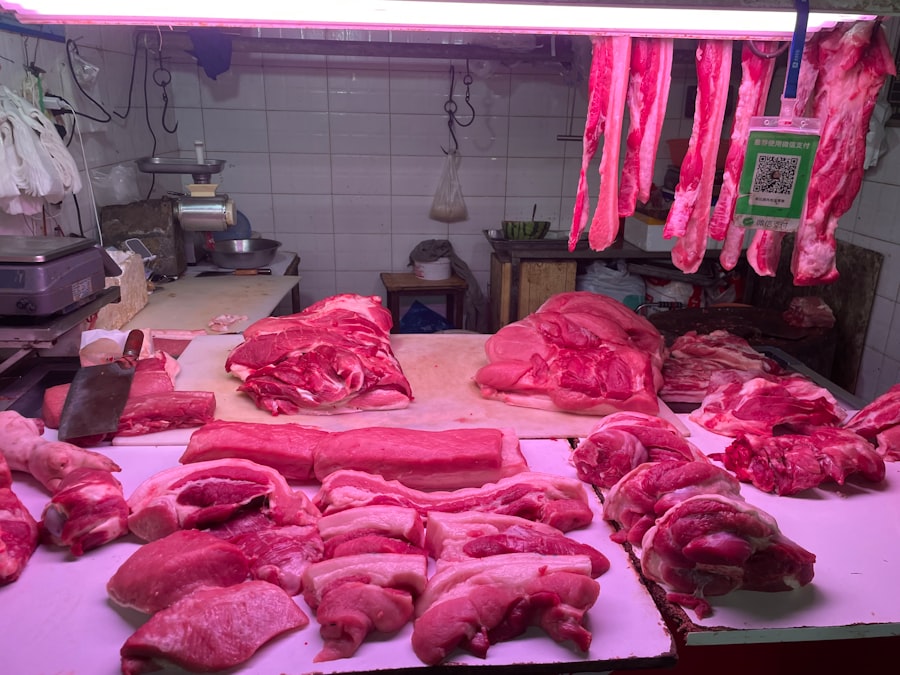
Independent butcher shops are more than just places to buy meat; they are often vital hubs within their communities. They foster local economies, create jobs, and build genuine connections with their customers.
Economic Vitality: Keeping Money Local
When you spend your money at a local butcher, that money largely stays within your community. It supports the butcher’s business, their employees, and the local farmers they source from. This creates a virtuous cycle of economic growth, helping to keep high streets vibrant and providing local employment opportunities. In contrast, much of the profit from supermarket sales is often channelled back to national or international corporations, with less benefit filtering down to the local level.
The Ripple Effect of Local Spending
Consider the multiplier effect: a pound spent at a local butcher is likely to circulate within the local economy multiple times. The butcher buys supplies from local businesses, pays local taxes, and employs local people, all of whom then spend their money locally. This is the essence of a strong, resilient community economy.
Building Connections: The Personal Touch
In a world increasingly dominated by digital interactions and impersonal service, the human element offered by a local butcher is a breath of fresh air. They get to know you, your preferences, and your family. They can offer expert advice on cuts of meat, cooking methods, and pairing suggestions. This personal touch fosters loyalty and trust, creating a relationship that goes far beyond a simple transaction. They become part of your culinary journey.
More Than Just a Transaction: A Relationship
Think about the last time you had a chat with your butcher. Perhaps they recommended a specific cut for a family gathering, or offered a tip on how to get the perfect crackling. These are not things you’ll find on an online order form. They are the accumulated knowledge and genuine desire to help that come from a dedicated craftsperson who cares about their customers and their produce.
Supporting Small Businesses: The Backbone of Our Towns
Independent businesses like butchers are the backbone of our towns and villages. They bring character and individuality to our streets, offering unique products and services that differentiate our local areas from any other. Actively choosing to shop at these establishments is a direct way of supporting their continued existence and ensuring that our communities retain their distinct charm and diversity.
The Social Fabric: A Place to Connect
Beyond the economic benefits, local butchers contribute to the social fabric of our communities. They are places where people meet, chat, and exchange local news. They can be informal community hubs, fostering a sense of belonging and connection.
Quality You Can Taste: The Superiority of Locally Sourced Meat
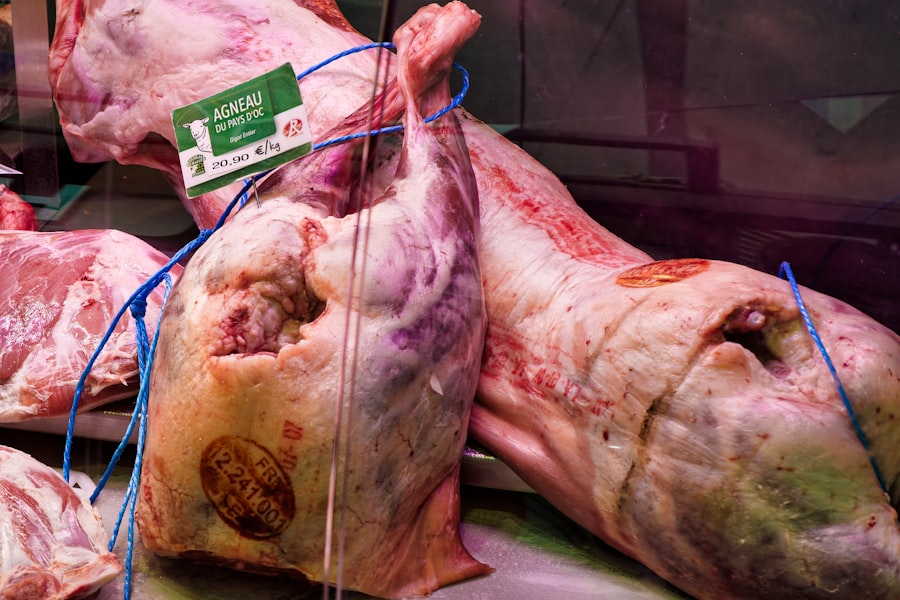
Ultimately, the proof is in the pudding – or in this case, the steak, the chop, or the joint. The quality of meat from a local, ideally ‘Farm to Fork’, butcher often surpasses that found in larger retail outlets. This superior quality isn’t an accident; it’s the result of careful sourcing, expert handling, and a commitment to excellence.
The Difference Matters: Flavour and Texture
Locally sourced meat, particularly from animals raised on more natural diets and allowed to mature properly, tends to have a richer flavour and a more desirable texture. The slower growth rates and diverse diets of pasture-raised animals mean that the intramuscular fat distribution, the marbling, is often superior. This marbling is what melts during cooking, adding moisture, succulence, and that unmistakable depth of flavour.
Sensory Evidence: Tasting the Difference
It’s not just folklore. Many people attest to tasting a distinct difference when cooking with meat from a local butcher compared to supermarket alternatives. The meat is often more tender, the flavour more pronounced, and the overall eating experience significantly more enjoyable. This is the tangible reward of supporting a system that prioritises quality over mass production.
Expert Craftsmanship: The Butcher’s Art
Your local butcher is a skilled artisan, trained in the art of butchery. They understand how to expertly prepare and cut meat, maximising its potential. They can trim it to your exact specifications, offer advice on cooking times, and even prepare bespoke cuts for special occasions. This level of expertise ensures you get the best possible result from your purchase.
Beyond the Basic Cut: Speciality Preparations
This craftsmanship extends to specialty items. Whether it’s perfectly formed sausages using premium cuts, flavourful marinades for ready-to-cook meals, or expertly rolled joints for a Sunday feast, the butcher’s skill enhances the final product. Some local butchers, like the one mentioned in Batesville, are even expanding to offer ready-to-cook meal preps, demonstrating their adaptability and commitment to making quality cooking accessible to busy families. [1]
Animal Welfare: A Conscience You Can Eat
For many consumers, the ethical treatment of animals is a paramount concern. Local butchers who source directly from farmers often have a greater insight into and control over their suppliers’ animal welfare practices. They can choose to work with farmers who prioritise free-range living, access to pasture, and humane handling, ensuring that the meat on your plate comes from animals that have lived well.
The Ethical Choice: Peace of Mind with Every Meal
Knowing that your meat has been produced with a strong emphasis on animal welfare provides a sense of peace of mind that can be difficult to achieve when buying from less transparent sources. It aligns your purchasing decisions with your values, making every meal a more conscious and satisfying choice.
Embracing the Modern Butcher: Adaptability and Innovation
The perception of the traditional butcher shop is evolving. While the core values of quality, provenance, and community remain, many independent butchers are embracing modern strategies to stay competitive and meet the changing needs of their customers.
Adapting to Demand: Expanding Offerings
As the Batesville local Farm to Fork butcher shop illustrates, modern butcher businesses are adapting by expanding their offerings beyond just fresh meat. [1] They are recognising that consumers are busy and looking for convenience. Therefore, many are now offering a wider range of products, including:
Beyond the Butcher Counter: A One-Stop Shop
- Local Produce: Fresh fruits and vegetables from nearby farms, completing your meal ingredients.
- Artisan Baked Goods: Fresh bread, pastries, and cakes, sourced from local bakers.
- Local Honey and Spices: Enhancing your culinary creations with regional flavours.
- Ready-to-Cook Meal Preps: Convenient, pre-portioned ingredients and recipes for busy families, making it easier for people to cook delicious, wholesome meals at home. [1]
This diversification makes the local butcher a more appealing and practical destination for weekly shopping, demonstrating their commitment to serving the community in evolving ways.
Connecting Online: The Digital Butcher
The rise of social media has provided independent businesses with powerful tools to connect with their customers and promote their offerings. Many butchers are actively using platforms like Facebook and Instagram to:
Engaging Your Audience: A Virtual Shop Window
- Showcase Daily Specials: Highlighting fresh cuts and enticing offers.
- Share Behind-the-Scenes Footage: Giving customers a glimpse into their craft and sourcing.
- Educate Customers: Providing tips on cooking, recipes, and the provenance of their meat.
- Run Competitions and Promotions: Engaging their audience and driving footfall.
The BBC feature noting that owners are using social media to urge people to shop locally so small butcher businesses remain viable [6] underscores the importance of this digital presence. It allows them to reach a wider audience and remind people of the value they offer.
The Future of Farm to Fork: A Sustainable Model
The ‘Farm to Fork’ butcher model, as highlighted in the North Yorkshire enterprise, is being promoted for its values of traceability, sustainability, and quality, with meat sold both through the butcher shop and online. [3] This integrated approach, catering to both in-person and online shoppers, demonstrates the adaptability and foresight of these businesses. They are not clinging to the past; they are actively building a sustainable future for quality meat provision.
Bridging the Gap: In-Store and Online Excellence
This hybrid model allows consumers the convenience of online ordering while still benefiting from the personal touch and expert knowledge of their local butcher. It’s about offering the best of both worlds, ensuring that access to high-quality, sustainably sourced meat is easier than ever.
Supporting Your Local Butcher: A Call to Action
Given the multitude of benefits, from enhanced quality and sustainability to community support and adaptability, it’s clear that buying from your local butcher still matters – perhaps more than ever. Your consumer choices have a direct impact, and by opting for your local butcher, you are investing in a better food system for everyone.
The Power of Your Pound: Making a Conscious Choice
Every time you choose to shop at your local butcher, you are making a conscious decision to support a business that is committed to quality, provenance, and community. You are helping to keep local economies thriving, reduce environmental impact, and ensure that the craft of skilled butchery continues to be practiced.
The Domino Effect of Your Decision
Think of the domino effect: your choice to buy local meat from your butcher supports a local farmer, who then invests in sustainable practices. That butcher employs local staff, who then spend their wages in other local businesses. It’s a powerful chain of positive outcomes, all initiated by your decision.
Countering the Trends: The Importance of Individual Support
Consumer support for local butcher shops is being actively encouraged, and for good reason. [6] In the face of increasing competition from large multiples and online giants, these independent businesses need our active support to remain viable. This isn’t just about nostalgia; it’s about preserving a crucial element of our food landscape and supporting businesses that align with our values.
The Viability of Small Businesses
When a small butcher shop thrives, it contributes to the vibrancy of our towns and cities, offering unique products and services that enrich our lives. When they struggle, we lose not just a shop, but a piece of our local identity and a valuable contributor to our economy and environment.
A Delicious Investment in the Future
Ultimately, choosing your local butcher is an investment. It’s an investment in the quality and flavour of your food, an investment in the health of our planet, and an investment in the strength and resilience of our local communities. So, the next time you’re planning a meal, consider a visit to your local butcher. You’ll be rewarded with exceptional produce and the satisfaction of knowing you’re making a choice that truly matters. The farm-to-fork journey, with your local butcher at its heart, is a delicious and vital one to support.