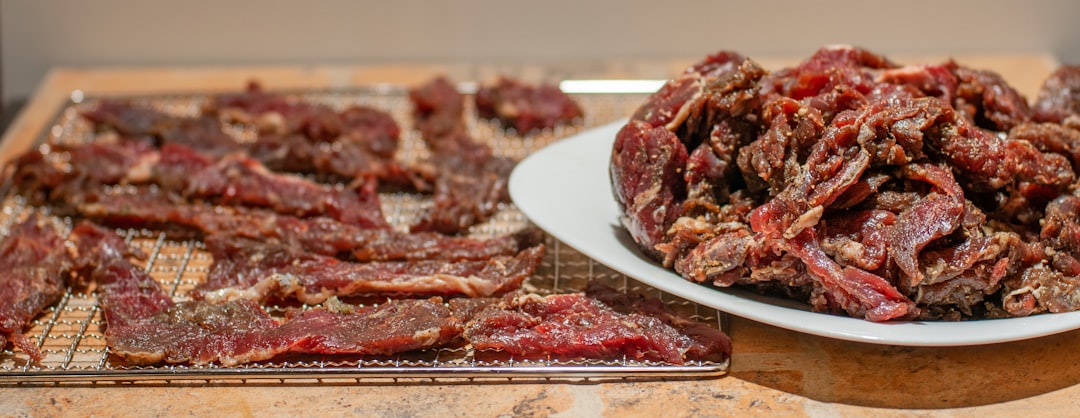
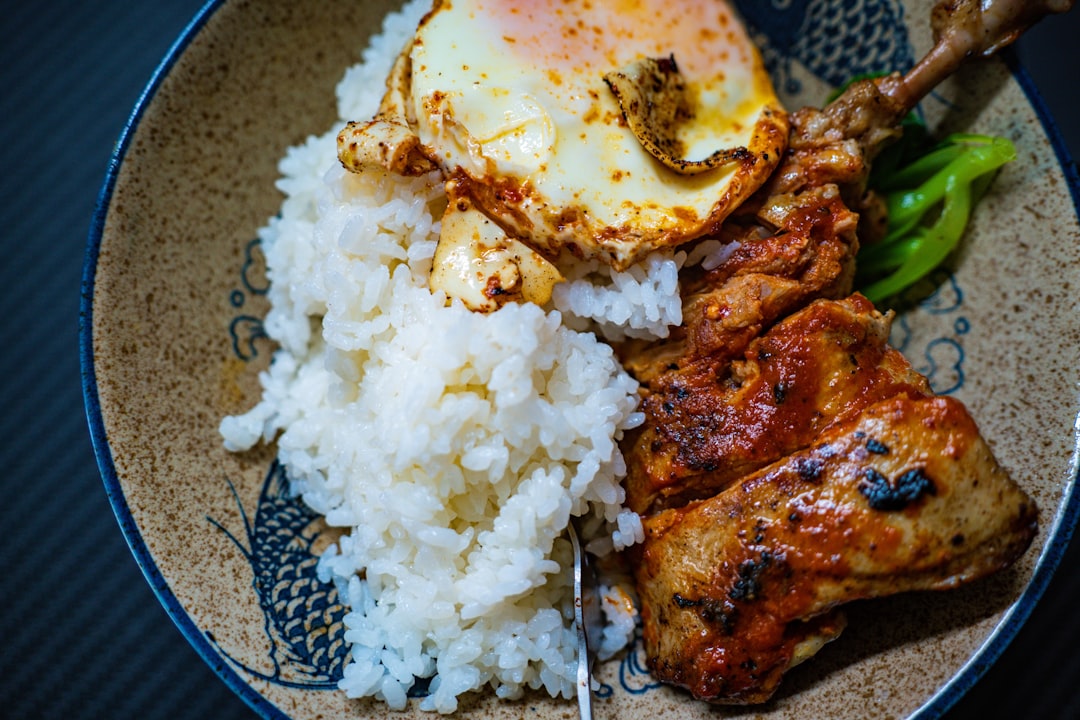
Right then, let’s talk about meat. Not just any meat, mind you, but proper British cuts. The kind that have been gracing our plates for generations, often overlooked in favour of more commonplace options. As a UK-based Foodie expert and content creator, I’m all about uncovering those hidden gems, and when it comes to culinary heritage, there’s a treasure trove in our traditional butchery.
Supermarkets, bless their cotton socks, have streamlined our choices considerably. We tend to stick to familiar steaks, roasts, and mince. But step into a good independent butcher, or delve into an old recipe book, and a whole new world of flavour and texture opens up. These cuts, often requiring a bit more understanding and a touch more cooking time, are not only delicious but often more economical. They represent a connection to our agricultural past and a celebration of nose-to-tail eating.
Forget the fancy names from other cuisines; we’ve got our own sterling selection. This guide aims to shed some light on those lesser-known, yet immensely rewarding, traditional British meat cuts. Let’s get stuck in.
Beef in Britain is a cornerstone of our culinary identity. While sirloin and fillet are popular, there are plenty of other cuts that offer incredible flavour and versatility.
Featherblade: The Butcher’s Secret
The featherblade, or flat iron steak as it’s sometimes known across the pond, is a fantastic cut from the shoulder. It’s often overlooked by shoppers unfamiliar with its potential.
What it is and Where it Comes From
This cut is from the chuck, specifically the shoulder blade area. It gets its name from the distinctive layer of sinew that runs through it, resembling a feather. A good butcher will often remove this sinew, yielding two separate, very tender pieces of meat.
Cooking Methods for Featherblade
Featherblade is remarkably versatile. When the sinew is removed, it can be pan-fried or grilled to a beautiful medium-rare, much like a more expensive steak. When cooked whole with the sinew, it’s a brilliant slow-cooker or braising cut, transforming into meltingly tender meat. It’s perfect for stews, curries, or a classic beef bourguignon.
Flavour Profile and Texture
It boasts a rich beefy flavour, typical of cuts from the working muscles of the animal. When cooked correctly, it has a wonderfully tender texture, almost like fillet, but with a deeper savouriness.
Hanger Steak: The Butcher’s Cut
Historically, butchers would often keep the hanger steak for themselves, a testament to its deliciousness. It’s a relatively small cut, meaning you won’t always find it in abundance.
Origin and Characteristics
The hanger steak, sometimes referred to as ‘onglet’ in French cuisine, comes from the plate section of the cow, precisely from the diaphragm. It hangs (hence the name) between the rib and the loin. It has a loose grain and a characteristic central membrane that a butcher will trim.
Optimal Cooking for Hanger Steak
This cut is best cooked quickly and to a medium-rare temperature. High heat grilling or pan-frying works excellently. It’s important to slice it against the grain to ensure maximum tenderness.
Its Distinctive Taste
Hanger steak offers a very rich, almost liver-like beefy flavour, which some find incredibly appealing. It’s intensely flavoured and quite juicy, making it a fantastic alternative to more common steaks at a more agreeable price point.
Shin of Beef: The King of Braising
Shin of beef might not look the most glamorous cut on the counter, but its transformative powers in a slow cook are legendary.
What Makes Shin Special
This cut comes from the lower leg of the cow. It’s heavily worked muscle, meaning it has a lot of connective tissue and very little fat. This might sound off-putting for quick cooking, but it’s precisely what makes it ideal for long, slow cooking.
Best Applications for Shin
Shin of beef is the star of stews, casseroles, and braises. Think osso buco, goulash, or a hearty beef and ale pie filling. The connective tissue breaks down during lengthy cooking, releasing gelatin that enriches the sauce and makes the meat incredibly tender and succulent.
Unlocking its Flavour
Slow cooking allows the deep, robust flavour of the beef to emerge, while the gelatinous texture adds a luscious mouthfeel that’s hard to beat. It’s comfort food at its finest.
The Underappreciated Pork Cuts: More Than Just Chops
Pork is a wonderfully versatile meat, and while we enjoy our bacon and pork chops, there are other traditional cuts that deserve a spot in your trolley.
Pork Cheeks: A Culinary Revelation
Once considered offal in some quarters, pork cheeks have seen a resurgence in popularity among chefs and home cooks alike.
Where You’ll Find Them
As the name suggests, these are the muscles from the jowls of the pig. They are small, dense, and packed with flavour.
How to Prepare Pork Cheeks
Pork cheeks are another cut that thrives on slow cooking. Braising them in wine, cider, or stock for several hours renders them incredibly tender and gelatinous. They absorb flavours wonderfully and become almost sticky in texture.
The Taste Experience
They offer a rich, deep pork flavour, significantly more intense than leaner cuts. The texture is moist, succulent, and literally melts in your mouth when cooked properly. They are a true delight.
Gammon Hock: Versatile and Delicious
Gammon hock, often seen cured and smoked, is a fantastic value cut that offers immense flavour.
Understanding the Hock
The hock (or shank) is the lower part of the pig’s leg, just above the trotter. It’s a muscular cut with bone, skin, and a fair amount of connective tissue. When cured, it becomes gammon hock.
Cooking and Usage of Gammon Hock
The most common way to cook a gammon hock is to slowly simmer it until the meat is falling off the bone. It’s excellent for making a hearty broth, shredding into pea and ham soup, or serving as a rustic main with mashed potatoes and cabbage. It can also be baked after boiling for a crispier skin.
Flavour and Texture
The curing process imparts a salty, smoky flavour that is distinctive and delicious. Slow cooking transforms the tough muscle and connective tissue into incredibly tender, succulent meat with a lovely gelatinous quality.
Pork Belly: A Master of Crackling
While pork belly has gained popularity, its full potential and traditional preparations might still be underestimated.
The Anatomy of Pork Belly
Pork belly is just what it sounds like: the fatty, boneless cut from the underside of the pig. It’s renowned for its layers of succulent meat, rich fat, and a fantastic rind that can produce incredible crackling.
Cooking Pork Belly to Perfection
Slow roasting is the classic method for pork belly. It allows the fat to render beautifully and gives ample time for the rind to crisp up into that glorious crackling. It can also be braised, then crisped, or even cured to make streaky bacon.
The Appeal of Pork Belly
The combination of meltingly tender meat, rich fatty texture, and shatteringly crisp crackling is a textural and flavour sensation. It’s a celebratory cut that delivers on all fronts.
Lamb Cuts: Beyond the Chops and Legs

British lamb is celebrated worldwide for its quality. While lamb chops and legs are staples, there are other cuts that offer incredible flavour and value.
Lamb Neck: The Unsung Hero
Lamb neck might not be the most aesthetically pleasing cut, but it’s a powerhouse of flavour and tenderness when handled correctly.
Where it Comes From
This cut comes from the neck of the lamb, an area with plenty of muscle and connective tissue. It’s often sold as slices or as a whole neck fillet.
The Secret to Cooking Lamb Neck
Like many of the cuts we’re discussing, lamb neck excels with slow, moist cooking methods. Braising, stewing, or making a hearty lamb tagine are ideal. The connective tissue breaks down, lending a beautiful richness to the sauce and making the meat incredibly tender.
Flavour and Texture of Lamb Neck
It has a deep, rich lamb flavour, often more intense than leaner cuts. The texture, post-braising, is wonderfully soft and succulent, melting in the mouth. It’s fantastic for comforting, flavourful dishes.
Lamb Breast: Economical and Flavourful
Often overlooked due to its fattiness, lamb breast is a surprisingly versatile and economical cut.
Understanding Lamb Breast
This cut comes from the underside of the lamb, comprising layers of meat, fat, and often some rib bones. It’s one of the fattiest cuts of lamb but this fat can be rendered down to create depth of flavour.
Best Uses for Lamb Breast
Slow roasting is a brilliant way to cook lamb breast. You can roll it and stuff it with herbs and garlic, or simply slow roast it to render out the fat and crisp up the skin. It can also be braised, or even turned into mince for richly flavoured burgers.
The Appeal of Lamb Breast
When cooked slowly and properly, the fat renders out, leaving behind incredibly tender, juicy meat with a rich, unique lamb flavour. The crispy skin (if roasted) adds another delightful dimension.
Poultry and Game: Beyond the Chicken Breast
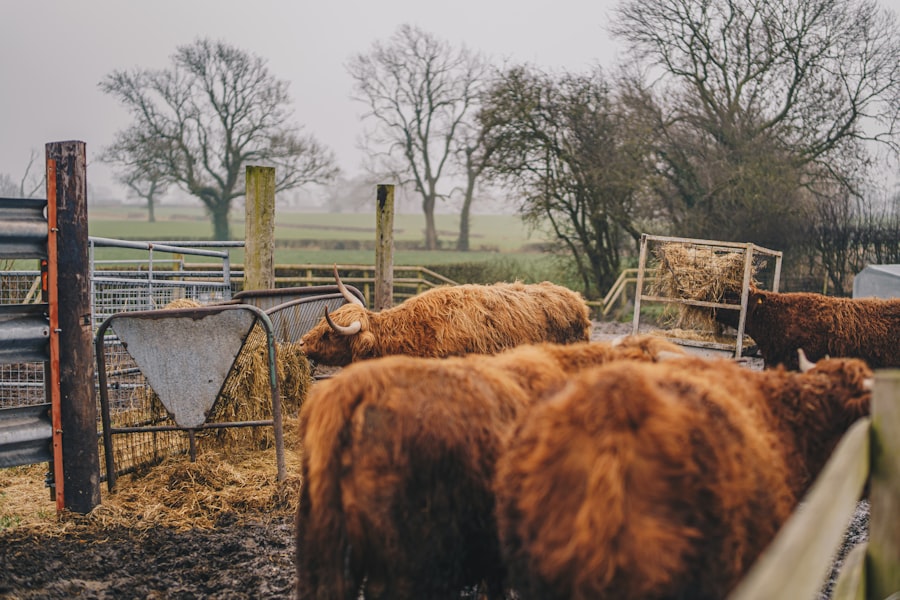
While not always ‘meat’ in the red meat sense, traditional British poultry and game offer some fantastic cuts and options often overlooked.
Guinea Fowl: A More Flavourful Alternative
For those looking for something a bit different from chicken, guinea fowl is an excellent choice.
Characteristics of Guinea Fowl
Guinea fowl is a plump bird, larger than a pigeon but smaller than a domestic chicken. Its meat is darker and has a more pronounced gamey flavour than chicken, yet is less intensely gamey than pheasant. It is leaner than chicken.
Cooking Guinea Fowl
It can be roasted whole, much like a chicken, but benefits from slightly lower temperatures and basting to prevent it from drying out. The legs and thighs are particularly flavourful and benefit from longer cooking. It’s also excellent when jointed and braised.
Its Distinctive Taste
Guinea fowl offers a more refined, slightly gamey taste than chicken, with a finer texture. It’s a wonderful bird for special occasions or when you want something a bit special.
Rabbit: A Sustainable and Delicious Option
Rabbit has been a staple in British diets for centuries, offering a lean, flavourful alternative to more common meats.
The Nature of Rabbit Meat
Rabbit meat is lean, delicate, and fine-grained. It has a distinctive, mild gamey flavour that is quite pleasant and less intense than some other game meats.
How to Prepare Rabbit
Rabbit is best cooked slowly and gently to prevent it from drying out. It’s excellent in stews, casseroles, and pies. It can also be jointed and pan-fried or roasted, particularly the loin. Dishes like rabbit in mustard sauce or rabbit ‘confit’ are absolutely delicious.
Taste and Texture of Rabbit
Rabbit meat, when cooked correctly, is wonderfully tender and juicy, with a subtle, earthy flavour. It’s a lean protein that’s both healthy and incredibly satisfying. An often forgotten classic.
Offal: The Quintessential British Frugality and Flavour
No guide to traditional British cuts would be complete without a nod to offal. It’s a testament to our history of using every part of the animal; it represents frugality, sustainability, and immense flavour. While not everyone’s cup of tea, these are crucial parts of our culinary heritage.
Oxtail: The Ultimate Slow Cooker’s Delight
Oxtail might look bony and uninviting, but within those sections lies some of the most flavourful and gelatinous meat imaginable.
What to Expect from Oxtail
Oxtail is precisely what it sounds like – the tail of a beef animal. It’s a cut with a high proportion of bone and connective tissue compared to lean meat.
Cooking Processes for Oxtail
This is a cut designed for long, slow cooking. Braising oxtail in a rich stock or red wine for several hours, until the meat is literally falling off the bone, is the only way to go. The collagen in the connective tissue breaks down into gelatin, creating a rich, unctuous sauce.
Its Rich Flavour
Oxtail delivers an incredibly deep, rich, beefy flavour that is simply unsurpassed. The gelatinous texture makes it extremely succulent and satisfying. It’s the cornerstone of many magnificent stews and soups.
Lamb’s Liver: A Nutritious and Flavourful Classic
Lamb’s liver is a fantastic example of a traditional, affordable, and highly nutritious offal cut.
Characteristics of Lamb’s Liver
Lamb’s liver is relatively mild in flavour compared to beef or pig’s liver, and it has a finer, more delicate texture. It’s packed with vitamins and iron.
Preparing Lamb’s Liver
It’s typically pan-fried quickly, often with onions and bacon, or served with gravy and mashed potatoes. It can also be added to pâtés or minced for faggots. The key is not to overcook it, a mistake that often leads to a tough and bitter result. A slight pinkness in the middle is ideal.
Flavour and Texture
When cooked correctly, lamb’s liver is tender, creamy textured, and has a rich, earthy, slightly metallic flavour characteristic of offal, but in a very palatable way.
Kidney: A Quintessential British Addition
Kidney, particularly lamb or ox kidney, has been a staple in traditional British dishes for centuries.
Types and Appearance of Kidney
Lamb kidneys are small and delicate, while ox kidneys are much larger and stronger flavoured. They are typically dark reddish-brown.
Cooking Methods for Kidney
Kidneys are most famously associated with steak and kidney pie or pudding. They are also delicious sautéed quickly, often with butter, onions, and a splash of sherry or mustard, as an interesting starter or light lunch. Again, rapid cooking is essential to avoid toughness.
Its Unique Taste
Kidneys have a very distinctive, slightly gamey, and iron-rich flavour. Some describe it as having a ‘minerally’ taste. When cooked correctly, they are tender with a unique texture that adds immense character to dishes.
In conclusion, delving into these traditional British meat cuts is not just about expanding your culinary repertoire; it’s about reconnecting with our heritage, supporting local butchers who preserve this knowledge, and embracing a more sustainable approach to eating meat. Many of these cuts offer exceptional flavour and texture for a fraction of the price of their celebrated counterparts. They demand a little patience in the kitchen, but the rewards are truly magnificent. Give them a try; you might just discover a new favourite.