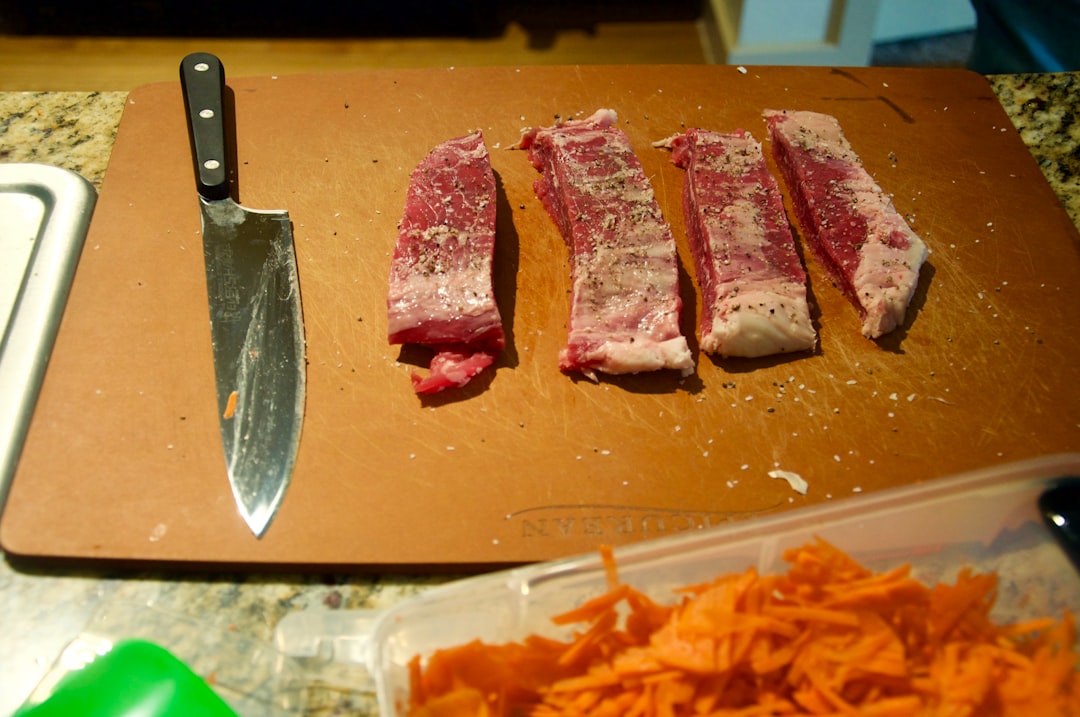
Few things are as satisfying as a perfectly cooked steak. A beautiful sear, a juicy interior, and flavour that sings – it’s a culinary triumph. However, the path to steak perfection is often paved with good intentions that, unfortunately, lead to rather disappointing results. As a UK-based Foodie expert and content creator, I’ve seen my fair share of online discussions and articles about steak. Many offer fleeting advice, but truly nailing it requires understanding the common pitfalls. Let’s dive into the top seven steak cooking mistakes and, more importantly, how to steer clear of them for consistently brilliant results.
This might seem counterintuitive. Surely, the colder it is, the more controlled the cooking? Well, not with steak. Think of it like this: a cold steak hitting a hot pan is an immediate shock to the system. The exterior will cook far faster than the interior can catch up, resulting in a grey, overcooked band just beneath the surface, while the centre remains stubbornly rare. This is a problem that’s incredibly difficult to rectify once it’s happened.
The Science of Steak Temperature
When you take your steak directly from the fridge, the internal temperature is significantly lower. High heat causes the surface proteins to denature and brown (the Maillard reaction), which is essential for flavour. However, if the centre is still frigid, that denaturing process will continue inwards for a prolonged period, leading to that undesirable grey layer. You want the steak to be as close to room temperature as possible before it hits the heat. This allows for more even cooking from edge to centre, ensuring that beautiful pink or red hue throughout.
Bringing Your Steak to Life
Aim to take your steaks out of the refrigerator at least 30 minutes, and up to an hour, before you plan to cook them. The exact time will depend on the thickness of the steak and the ambient temperature of your kitchen. For thicker cuts (over an inch), an hour is not unreasonable. Lay them on a plate or a wire rack, uncovered. This allows the air to circulate and helps the surface dry out slightly, which aids in achieving a better sear. Don’t be tempted to microwave or rinse them under hot water to speed this up. That’s a recipe for disaster.
When Does Room Temperature Become ‘Too Warm’?
While you want your steak to warm up, you don’t want it to feel warm to the touch. The goal is to take the chill off, not to cook it with ambient heat. If your kitchen is exceptionally warm, you might need slightly less resting time. You’ll know it’s ready when it’s no longer cold to the touch, but still feels cool.
Mistake Two: Neglecting to Dry Your Steak
Moisture is the enemy of a good sear. Water on the surface of your steak will essentially steam rather than fry. Instead of that glorious brown crust, you’ll end up with a pale, unappealing surface. This is a cardinal sin for any steak lover, as the sear is where so much of the flavour develops.
Why a Dry Surface Matters for Searing
The Maillard reaction, the magical process responsible for browning and creating those complex, savoury flavours we associate with steak, requires high heat and a dry surface. When water is present, it needs to evaporate first. This process consumes energy that could otherwise be used for browning. So, you’re not just adding a few seconds to your cooking time; you’re actively hindering the development of taste and texture.
The Art of Patting Down
This is a simple yet crucial step. After you’ve removed your steaks from their packaging and brought them up to room temperature, take some kitchen paper and thoroughly pat them dry on all sides. Don’t be shy; get into all the nooks and crannies. You want to remove as much surface moisture as possible. The drier the steak, the more efficient the searing process will be, leading to a superior crust.
Beyond Kitchen Roll: The Benefits of Air Drying
For an even better sear, consider leaving your patted-down steaks uncovered in the refrigerator for a further period. This is often referred to as ‘dry brining’ and it allows the surface to air-dry, making it even more receptive to high heat. This method is particularly effective for thicker cuts.
Mistake Three: Overcrowding the Pan
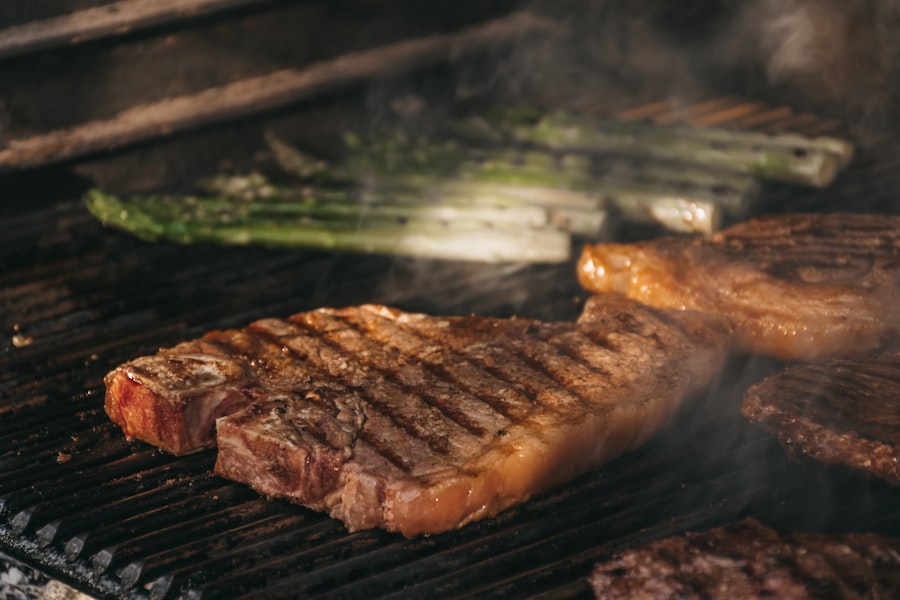
Imagine trying to cram a whole family into a tiny car – it’s not going to be a pleasant or efficient journey. The same principle applies to cooking steak. If you put too many steaks in the pan at once, you’ll lower the pan’s temperature dramatically. Instead of searing, the steaks will steam, leading to that same lack of a desirable crust we discussed earlier.
The Impact of Pan Temperature on Searing
A well-preheated pan is paramount for searing. When you place a steak into a hot pan, it immediately starts to brown. If you add multiple steaks, their combined cold mass will suck the heat right out of the pan. This drops the temperature below the optimal searing point, and as mentioned, results in steaming rather than frying. You want a consistently high temperature throughout the cooking process for that perfect crust.
The Secret to Successful Batch Cooking
The golden rule here is to cook steaks in batches. Only cook as many steaks as can comfortably fit in a single layer in your pan with a little space between them. It might mean cooking in multiple rounds, but the result – a beautifully seared steak every time – will be worth the extra effort. If you’re cooking for a crowd, consider using two pans simultaneously or a large, heavy-bottomed griddle pan.
What About Grilling?
The same principle applies to grilling. Ensure there’s ample space between your steaks on the grill grates. If the steaks are too close, the heat won’t circulate effectively, and you’ll end up with uneven cooking and a poor char.
Mistake Four: Cutting into the Steak Too Early
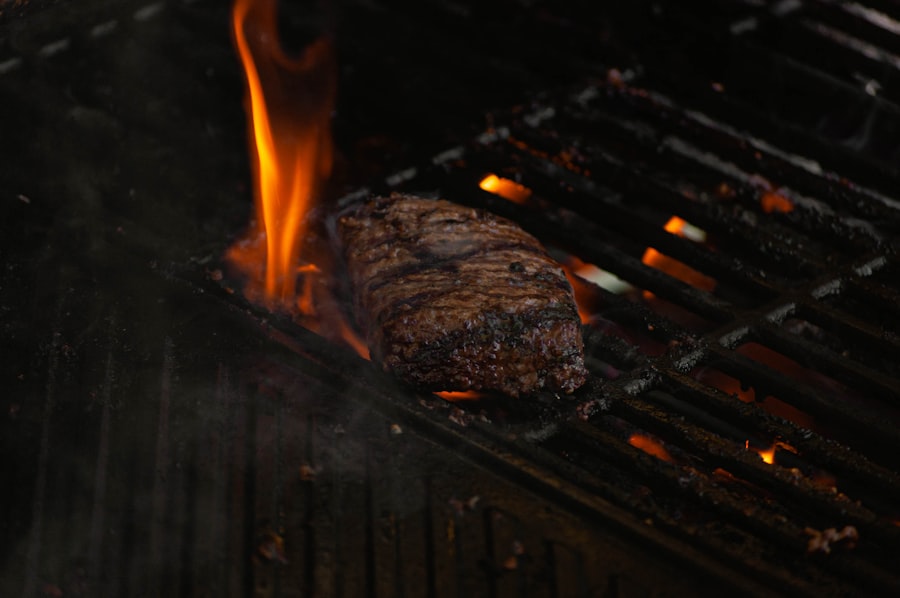
Patience is a virtue, especially when it comes to steak. Resist the urge to slice into your masterpiece the moment it comes off the heat. This is a very common mistake that significantly impacts the juiciness of your steak.
The Crucial Resting Period
When steak cooks, the muscle fibres contract, and the juices are pushed towards the centre. If you cut into it immediately, all those precious juices will run out onto your plate, leaving you with a drier, less flavourful steak. Letting the steak rest allows the muscle fibres to relax, and the juices to redistribute themselves evenly throughout the meat. This results in a far more tender and succulent steak.
How Long to Rest Your Steak
A general guideline for resting a steak is at least 5-10 minutes for thinner cuts and 10-15 minutes for thicker cuts. For a truly exceptional steak, you can even rest it for up to 20 minutes. Place the steak on a warm plate or a cutting board, loosely tented with foil. This keeps it warm without steaming the exterior, which would ruin that beautiful sear you worked so hard to achieve.
The Science of Juice Redistribution
During cooking, the internal pressure of the steak forces the juices to the centre. Resting allows this pressure to dissipate, and the fibres to reabsorb the moisture. Think of it like a sponge; when it’s squeezed, the water comes out. When it’s allowed to expand, it can hold more water. Steak works in a similar fashion.
What if My Steak Gets Cold?
If you’re concerned about your steak getting cold during the resting period, you can ensure your resting plate is warm. You can also place it in a slightly warm oven (turned off) for a few minutes if needed, but avoid covering it too tightly.
Mistake Five: Using the Wrong Utensils
It might sound trivial, but the tools you use to handle your steak can make a surprising difference to the outcome. Specifically, using a sharp knife to turn your steak in the pan is a common error.
Why You Shouldn’t Pierce Your Steak
Every time you pierce your steak with a fork or a sharp knife, you create small holes through which the juices will inevitably escape. This is akin to puncturing a balloon – the air (or in this case, the juice) will escape. Even though you’re trying to manipulate the steak, you’re essentially “bleeding” it dry before it even gets a chance to rest.
The Superior Alternative: Tongs
Invest in a good pair of long, heat-resistant tongs. Tongs allow you to grip the steak securely without piercing it. You can flip, turn, and move the steak with ease, ensuring even cooking and preserving all those delicious juices within. It’s a small change that yields significant improvements in the succulence of your steak.
Mastering the Flip and Turn
With tongs, you can confidently flip your steak for searing and move it around the pan to ensure it’s cooking evenly on all sides. You can also use them to hold the steak upright on its edge to cook the fat cap, adding another layer of flavour and texture.
What if I Only Have a Fork?
If, by some chance, you find yourself without tongs, a metal spatula can be a slightly better alternative than a fork, as it distributes pressure more evenly, but tongs remain the champions. However, for the best results, always aim to have a decent pair of tongs at the ready.
Mistake Six: Overcooking (and Guessing the Doneness)
This is perhaps the most prevalent steak sin. The desire for a “well-done” steak often leads to a dry, tough piece of meat that bears little resemblance to its potential. Equally, undercooking a steak can leave it unpleasantly chewy and raw-tasting for many. The key is to cook it to your desired level of doneness, and to do so accurately.
The Pitfalls of Guesswork
Steak cooking times are not set in stone. They depend on the thickness of the steak, the heat of your pan or grill, and the starting temperature of the meat. Relying on a timer alone can be a dangerous game. It’s far too easy to over- or underestimate, leading to disappointment.
The Importance of a Meat Thermometer
The single best investment you can make for consistently perfect steak is a reliable meat thermometer. This takes the guesswork entirely out of the equation. Insert the thermometer into the thickest part of the steak, avoiding bone or fat. Different thermometers have slightly different readings, but here are some general temperature guidelines for your desired doneness:
- Rare: 50-52°C (125°F) – Deep red, very soft centre.
- Medium-Rare: 55-57°C (130-135°F) – Red, warm centre, more firm.
- Medium: 60-63°C (140-145°F) – Pink centre, firmer.
- Medium-Well: 65-68°C (150-155°F) – Slightly pink centre, quite firm.
- Well-Done: 71°C+ (160°F+) – No pink, firm throughout.
Remember that the temperature will rise a few degrees as the steak rests (carry-over cooking), so aim to remove your steak when it’s a couple of degrees below your target temperature.
Learning to Judge by Touch
While a thermometer is the most accurate method, with practice, you can learn to judge doneness by touch. The “finger test” involves comparing the firmness of the steak to the fleshy part of your hand below your thumb. Gently press the steak; if it feels like the fleshy part of your hand when your thumb is free, it’s rare. Bring your thumb and forefinger together, press the fleshy part, and compare – that’s roughly medium-rare, and so on. This takes considerable practice and can still be somewhat subjective.
Eyeing Up the Heat
The intensity of your heat source is also crucial. A searing hot pan is needed for a quick sear to lock in juices and develop flavour. If your heat is too low, the steak will cook through without developing that essential crust. For grilling, ensure your coals are hot or your gas grill is at a high setting.
Mistake Seven: Not Seasoning Adequately (or Too Early)
Seasoning is more than just adding salt and pepper; it’s about enhancing the natural flavour of the steak. Many people underestimate the power of good seasoning, or worse, season at the wrong time.
The Salt Debate: When to Season
There are differing opinions on the optimal time to salt your steak. Some advocate for seasoning just before cooking, claiming it helps draw out moisture for a better crust. Others champion salting well in advance (an hour or more, even overnight). Salting in advance allows the salt to penetrate the meat, breaking down proteins and tenderising it, while also drawing out some moisture. This can result in a more intensely flavoured and tender steak. The key is to not salt your steak just 5-10 minutes before cooking if you’ve let it sit at room temperature, as this can draw out moisture to the surface, hindering your sear.
The Importance of Generous Seasoning
Don’t be shy with your seasoning! Steak is a substantial piece of meat that can handle a good amount of salt and pepper. A light sprinkling often isn’t enough. You want to see visible crystals of salt and pepper on the surface before cooking. This ensures that each bite is flavourful.
Beyond Salt and Pepper
While salt and pepper are the undisputed champions, don’t be afraid to experiment with other seasonings. Garlic powder, onion powder, a pinch of chilli flakes, or a rub of your favourite herbs (like rosemary or thyme) can add an extra dimension of flavour. However, always ensure the base seasoning of salt and pepper is spot on before adding anything else.
The Role of Fat
Fat is a flavour carrier. If you’re cooking a fattier cut of steak, like a ribeye, render down some of that fat in the pan before adding the meat. This provides a delicious base for searing and adds immense flavour to the finished product. If you’re grilling, the fat will render and drip onto the coals, creating smoky flavour.
By understanding and avoiding these seven common steak cooking mistakes, you’ll be well on your way to consistently producing delicious, restaurant-quality steaks right in your own kitchen. It’s about respecting the ingredient, employing sound techniques, and a little bit of patience. Happy cooking!