Preparing the perfect Christmas roast is a cornerstone of any truly memorable British festive celebration. The aroma filling the house, the anticipation of gathering around the table – it’s an experience that evokes warmth and tradition. Whether your heart is set on a magnificent turkey, a regal joint of beef, or a succulent gammon, mastering the art of the roast ensures you’ll be serving up a centrepiece worthy of the occasion. This guide is designed to equip you with the knowledge and confidence to achieve roast perfection, from making the right choices in the butcher’s shop to the final flourish before serving.
The foundation of any successful roast is the quality of the meat itself. With several festive favourites to choose from, understanding the characteristics of each will help you make the best decision for your family and your preferred cooking style. The butcher’s counter is your first port of call, and with a little insight, you can navigate it with ease.
The Majestic Turkey
For many, the Christmas turkey is an undisputed icon. Its sheer size makes it ideal for feeding a crowd, and when cooked correctly, it offers tender white meat and succulent dark meat. However, turkeys can be notoriously tricky to get right, prone to drying out if not handled with care.
Selecting the Right Size
The general rule of thumb for turkey size is to allow approximately 500g per person, which includes bone weight. However, it’s always better to have a little leftover than not enough. Consider the size of your oven and roasting tin too; a bird that’s too large can be a logistical nightmare. If you’re planning on a very large gathering, you might consider two smaller birds instead of one giant one, as they tend to cook more evenly.
Fresh Versus Frozen
Fresh turkeys offer superior flavour and texture, and they haven’t been subjected to the freezing and thawing process. However, they also require more careful planning regarding storage and cooking time. Frozen turkeys are a more convenient option, readily available and can be stored for longer periods. The key with a frozen turkey is to ensure it’s completely thawed before cooking. This can take a significant amount of time, often 24 hours for every 2.5kg (5lbs) of bird. Thawing in the refrigerator is the safest method.
Free-Range and Organic Considerations
Opting for a free-range or organic turkey often means a more flavourful bird with a better texture. These birds have generally lived happier lives, with more space to roam and a more natural diet, which positively impacts the meat quality. While these options can be more expensive, many believe the difference in taste is well worth the investment for a special occasion like Christmas.
The Regal Beef Joint
A prime cut of beef can be an exceptionally impressive Christmas centrepiece, offering rich flavour and a luxurious eating experience. The versatility of beef means you can achieve various levels of doneness, from rare to well-done, catering to different preferences.
Rib of Beef: The Ultimate Indulgence
A standing rib roast, often referred to as a “rib of beef,” is a truly spectacular choice. The marbling of fat within the meat renders beautifully during cooking, basting the joint and resulting in exceptionally moist and flavourful beef. The ribs themselves also add flavour and help to support the joint.
Topside and Silverside: More Economical Alternatives
If your budget is tighter, or you prefer a leaner cut, topside and silverside are excellent alternatives. These cuts are from the hindquarters and are more muscular, lending themselves well to roasting. They can be a little leaner, so careful cooking and potentially basting are important to prevent dryness.
Planning for Weight and Cooking Time
Beef joints can vary significantly in weight. As a rough guide, allow 200-250g per person for a bone-in joint and 150-200g for a boneless joint. The cooking time will depend heavily on the thickness of the joint and your desired level of doneness. It’s crucial to invest in a reliable meat thermometer for beef.
The Salty Gammon
Gammon is a popular choice for its sweet, salty flavour and the satisfyingly tender result when cooked correctly. It’s also a relatively forgiving roast, meaning even novice cooks can achieve impressive results.
Choosing Your Gammon Cut
You can find gammon joints on the bone or boneless, and in various preparations such as unsmoked, smoked, or cured with different flavourings like maple or mustard. The decision often comes down to personal preference. A boneless joint is easier to carve, while a joint with the bone in can offer extra flavour. Unsmoked gammon offers a milder, more natural pork flavour, while smoked gammon provides a more intense, smoky profile.
Unsmoked vs. Smoked
This is purely down to taste. Unsmoked gammon allows the inherent flavour of the pork to shine through, while smoked gammon adds a depth of flavour that is a classic pairing with many festive accompaniments.
The Importance of Soaking (for some)
Some cured gammon joints, particularly those that have been heavily salted, benefit from a period of soaking in cold water before cooking. This helps to reduce the saltiness, making it more palatable. Check the packaging for the butcher’s recommendations. Soaking can be done overnight, changing the water a couple of times.
Prepping Your Roast for Success
Once you’ve chosen your centrepiece, the next crucial step is preparing it for the oven. This stage involves a combination of traditional techniques and modern approaches to ensure maximum flavour and tenderness.
Bringing it to Room Temperature
A fundamental rule for any roast is to bring the meat out of the refrigerator at least an hour, and for larger joints, up to two hours, before cooking. Cooking cold meat directly from the fridge leads to uneven cooking, with the outside potentially becoming overcooked by the time the inside reaches the desired temperature. Allowing the meat to come up to room temperature helps it to cook more evenly and efficiently.
Seasoning: The Flavour Foundation
Generous seasoning is paramount. For turkey and beef, a simple but effective combination of salt and freshly ground black pepper is essential. Some prefer to rub the skin of a turkey with butter or oil to encourage crisping and add flavour. For beef, salt and pepper are key, but some opt for a rub of herbs like rosemary and thyme. Gammon joints often benefit from a glaze, which is applied towards the end of the cooking process.
Basting and Rubs
For turkey, basting is a traditional method to keep the meat moist. This involves spooning the cooking juices from the bottom of the roasting tin over the bird at regular intervals. Alternatively, forgoing basting and opting for a generous amount of butter or pre-made fat under the skin of a turkey can yield incredibly moist and flavourful meat. For beef, a rub can enhance the flavour. A mix of salt, pepper, garlic powder, onion powder, and herbs like rosemary and thyme can be applied.
Scoring and Pricking (for Gammon)
For gammon, scoring the fat cap in a crisscross pattern before cooking aids rendering and allows any glaze to penetrate the meat. Pricking the skin with a fork can also help fat to escape, preventing the skin from becoming too tough.
Preparing the Roasting Tin
A sturdy roasting tin is a vital piece of equipment. For larger birds or joints, ensure the tin is deep enough to contain any escaping juices. For turkey, placing the bird on a bed of roughly chopped vegetables (carrots, onions, celery) in the bottom of the tin can add flavour to the roasting juices, which can then be used to make gravy. Some people also like to place a trivet or an oven-safe rack in the tin to elevate the meat, allowing hot air to circulate around it more effectively and ensuring a more even cook.
The Art of Roasting: Temperature and Time
This is where precision truly comes into play. Understanding your oven, the meat’s temperature, and calculating cooking times are the keys to avoiding a dry disaster or an undercooked disappointment.
Oven Temperatures: A Gentle Start and a Crisp Finish
For most roasts, a common approach is to start at a relatively high temperature for the initial period to kickstart the browning and crisping process, then reduce the heat for the remainder of the cooking time to ensure the inside cooks through without drying out.
For Turkey:
A good starting point for turkey is around 220°C (200°C fan/Gas Mark 7) for the first 20-30 minutes, then reducing to 180°C (160°C fan/Gas Mark 4) for the remaining cooking time.
For Beef:
For beef, a higher initial temperature of 240°C (220°C fan/Gas Mark 9) for 20 minutes, followed by reducing to 180°C (160°C fan/Gas Mark 4), is a popular method. Some prefer to cook beef at a consistent lower temperature throughout.
For Gammon:
Gammon is often cooked at a consistent temperature, typically around 190°C (170°C fan/Gas Mark 5). Gluing or glazing usually occurs in the last 30-45 minutes of cooking, sometimes with a slightly higher temperature.
Cooking Times: The Essential Guidelines
It’s crucial to remember that cooking times are always a guideline. The thickness of the joint, the type of oven, and whether the meat is bone-in or boneless all play a significant role. The most accurate way to determine doneness is by using a meat thermometer.
Turkey Cooking Time:
As a rough guide, allow 20 minutes per 500g (1lb 2oz) plus an extra 20 minutes for a whole turkey. This is for a bird cooked at 180°C (160°C fan/Gas Mark 4) after the initial blast of heat.
Beef Cooking Time:
For a joint of beef, cooking times vary wildly based on cut and desired doneness. A general guideline for medium-rare beef at 180°C (160°C fan/Gas Mark 4) is approximately 15-20 minutes per 500g (1lb 2oz) for boneless, and 20-25 minutes for bone-in.
Gammon Cooking Time:
A general guideline for gammon is around 30-40 minutes per 500g (1lb 2oz) at 190°C (170°C fan/Gas Mark 5).
The Unwavering Importance of a Meat Thermometer
There is no substitute for a reliable meat thermometer. Insert it into the thickest part of the meat, avoiding any contact with bone.
Ideal Internal Temperatures:
- Turkey: For a safely cooked turkey, aim for an internal temperature of 75°C (165°F) in the thickest part of the thigh. Ensure the juices run clear when pierced.
- Beef:
- Rare: 50-55°C (120-130°F)
- Medium-Rare: 55-60°C (130-140°F)
- Medium: 60-65°C (140-150°F)
- Well-Done: 70°C+ (160°F+)
- Gammon: Cooked gammon should reach an internal temperature of 70°C (160°F).
Resting the Roast: The Crucial Cooling-Off Period
This is arguably just as important as the cooking itself. Once your roast has reached its target temperature, remove it from the oven and let it rest. This allows the juices, which have been driven to the centre of the meat during cooking, to redistribute throughout the joint. If you carve too soon, all those delicious juices will simply run out onto the carving board, leaving you with dry meat.
How Long to Rest:
- Turkey: Rest for at least 20-30 minutes, but up to an hour for a larger bird is beneficial.
- Beef: Rest for at least 15-20 minutes for smaller joints, and up to 30-40 minutes for larger ones.
- Gammon: Allow gammon to rest for at least 10-15 minutes before carving.
While your roast is resting, you can use the roasting tin to make your gravy. Tent the roast loosely with foil to keep it warm.
Glazing and Enhancing the Flavour
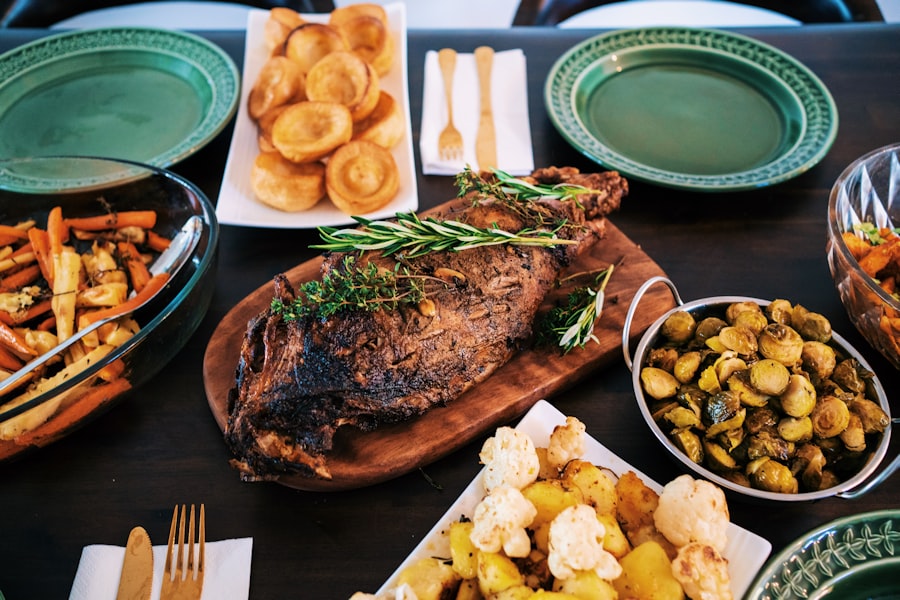
For certain roasts, particularly gammon, the addition of a glaze towards the end of the cooking process can elevate it from good to truly spectacular. This burnt sugar-sweetness caramelises beautifully, creating a delicious crust.
Classic Gammon Glazes
The most traditional gammon glaze is a simple combination of sugar and something acidic to balance the sweetness.
The Mustard and Honey/Maple Syrup Glaze:
A popular choice involves mixing English mustard with honey or maple syrup. The mustard provides a welcome peppery kick, while the honey or maple syrup offers sweetness and helps with caramelisation. A splash of orange juice can also add a lovely citrus note.
The Brown Sugar and Clove Glaze:
Another classic involves brown sugar, studded with whole cloves. The sugar melts and caramelises, and the cloves infuse a warm, festive spice. A touch of dijon mustard can be added for complexity.
Applying the Glaze:
The glaze is typically applied in the last 30-45 minutes of cooking. Brush it generously over the scored fat of the gammon joint. Some people like to apply it in layers, reapplying every 10-15 minutes to build up a rich, sticky coating.
Turkey Glazes and Aromatics
While less common than with gammon, glazes can also be used on turkey. A simple glaze of melted butter, honey, and herbs can be brushed over the skin for the last 30 minutes of cooking to add shine and flavour. Alternatively, a whole, unpeeled orange stuffed into the cavity of a turkey, along with sprigs of fresh rosemary and thyme, can impart a subtle, fragrant aroma and flavour. Garlic cloves, also placed in the cavity or tucked under the skin, are another excellent addition for an aromatic boost.
Beef Enhancements
For beef, while a glaze isn’t typically used, the flavour can be enhanced by rubbing the joint with softened butter mixed with chopped fresh herbs like rosemary, thyme, and parsley. This infuses the meat with aromatic flavours and helps to keep the surface moist.
Carving and Serving Your Masterpiece
The culmination of all your hard work is the carving and serving of your Christmas roast. The aim here is to present the meat in an appealing way and ensure everyone gets a delicious slice.
The Art of Carving
A sharp carving knife is essential. For a turkey, it’s often easiest to start by removing the legs and wings. Then, carefully slice the breast meat from the bone, working downwards. For beef, start at the narrowest end of the joint and carve against the grain. For gammon, slice across the grain.
Carving Tools:
- Sharp Carving Knife: Absolutely non-negotiable for clean cuts.
- Carving Fork: Useful for holding the meat steady while carving.
- Spatula or Fish Slice: To help lift the carved slices onto the serving platter.
Presenting the Roast
Once carved, arrange the slices neatly on a warmed serving platter. This ensures the meat stays warm until it reaches the table and looks inviting.
Accompaniments:
No Christmas roast is complete without its traditional companions.
- Turkey: Roast potatoes, pigs in blankets, stuffing, Brussels sprouts, cranberry sauce, bread sauce, and plenty of gravy.
- Beef: Roast potatoes, Yorkshire puddings, horseradish sauce, and rich gravy.
- Gammon: Roast potatoes, apple sauce, often served with a selection of green vegetables.
Making the Perfect Gravy
The leftover roasting juices are the secret ingredient to an exceptional gravy. Skim off any excess fat from the roasting tin, then place the tin over a medium heat on the hob. You can deglaze the tin with a splash of wine or stock, scraping up any sticky bits from the bottom, which are packed with flavour. Whisk in a tablespoon or two of flour to make a roux, then gradually whisk in your chosen liquid (stock, wine, or the cooking liquid from vegetables) until you achieve your desired consistency. Season to taste and strain for a smooth finish.
By following these steps, you can approach your Christmas roast with confidence, knowing that you’re well on your way to creating a delicious and memorable centrepiece for your festive feast. The most important ingredient, of course, is to enjoy the process and the company of your loved ones around the table.