Ah, the great British barbecue. The very thought conjures up images of sun-dappled gardens, the gentle hiss of sausages on hot coals, and the contented sighs of friends and family. While the weather might occasionally be a touch unpredictable, our enthusiasm for firing up the grill remains steadfast. But a truly memorable barbecue isn’t just about the coals; it’s about the meat. Choosing the right cuts can elevate your al fresco feast from good to absolutely glorious. As a UK-based Foodie and content creator with a penchant for perfectly grilled protein, I’m here to guide you through the essential cuts that will ensure your next barbecue is a resounding success. We’ll delve beyond the usual suspects, explore flavour profiles, and offer tips for maximising taste and tenderness, all with a distinctly British sensibility.
Understanding the Basics: What Makes Meat BBQ-Ready?
Before we dive into specific cuts, it’s worth a moment to consider what makes meat suitable for the barbecue. It’s a combination of factors, all of which contribute to that irresistible char, smoky aroma, and succulent texture we crave.
Fat Content: The Flavour Carrier
Fat is not the enemy when it comes to barbecue. In fact, it’s a crucial component. As the meat cooks, the fat renders, basting the surrounding muscle fibres and imparting moisture and flavour. Too little fat, and your meat can become dry and uninspiring. Too much, and you might end up with excessive flare-ups and a greasy finish. The key is a good balance, often found in well-marbled cuts.
Marbling: Friend of the Grill
Marbling refers to the intramuscular fat – the delicate white flecks you see within the muscle. These little pockets of deliciousness melt away during cooking, contributing significantly to both tenderness and flavour. Cuts with good marbling are typically more forgiving and deliver a richer taste.
External Fat Caps: For Protection and Flavour
Many cuts boast an external fat cap. This layer of fat serves as a protective shield during the intense heat of the grill, preventing the meat from drying out too quickly. It also renders down, adding another layer of flavour to the cooking surface and the meat itself. For certain cuts, like ribs, this fat cap is absolutely essential.
Tenderness and Texture: The Bite You Want
The texture of the meat is paramount. Grilling is a relatively quick cooking method, especially for thinner cuts. Therefore, cuts that are naturally tender benefit from this approach. Tougher cuts, while often more flavourful due to higher connective tissue, require different cooking strategies like slow and low smoking or braising, which aren’t always the primary focus of a typical garden barbecue.
Connective Tissue: A Double-Edged Sword
Connective tissue, like collagen, breaks down into gelatin during slow cooking, resulting in incredibly tender and moist meat. However, on a hot grill, incompletely rendered connective tissue can make meat tough and chewy. This is why selecting cuts with inherently less connective tissue, or those where the connective tissue will have time to break down slightly if cooked appropriately, is important for barbecue success.
Muscle Structure: The Key to the Chew
The size and arrangement of muscle fibres influence tenderness. Cuts from well-exercised muscles tend to be tougher. Conversely, cuts from less worked muscles, or those that benefit from the breakdown of intramuscular fat and connective tissue, are ideal for grilling.
Flavour Profile: From Mild to Robust
Different cuts of meat offer distinct flavour profiles. Some are inherently mild and readily absorb marinades and rubs, while others possess a more pronounced, inherent richness. Your choice will depend on your personal preference and the overall theme of your barbecue.
Beef: The King of the Grill
Beef, with its deep, meaty flavour, is a perennial favourite. Its versatility means there’s a cut for every grilling style and preference.
Lamb: A British Staple
Lamb is another excellent choice for the British barbecue, offering a distinctively delicious flavour that pairs wonderfully with fresh herbs and classic accompaniments.
Pork: Versatile and Flavourful
Pork provides an incredible range of textures and flavours, from delicate loin to rich belly. Its adaptability makes it a crowd-pleaser.
The Star Players: Top Cuts for Your Barbecue
Now, let’s get down to the nitty-gritty. These are the cuts that consistently deliver outstanding results on the barbecue, offering a balance of flavour, tenderness, and that satisfying grilled char.
Beef: Unlocking the Power of the Steak
When you think of barbecue, steak often springs to mind, and for good reason. Certain cuts of beef are simply made for the grill, offering rich flavour and a satisfying chew.
Ribeye Steak: The Marbling Marvel
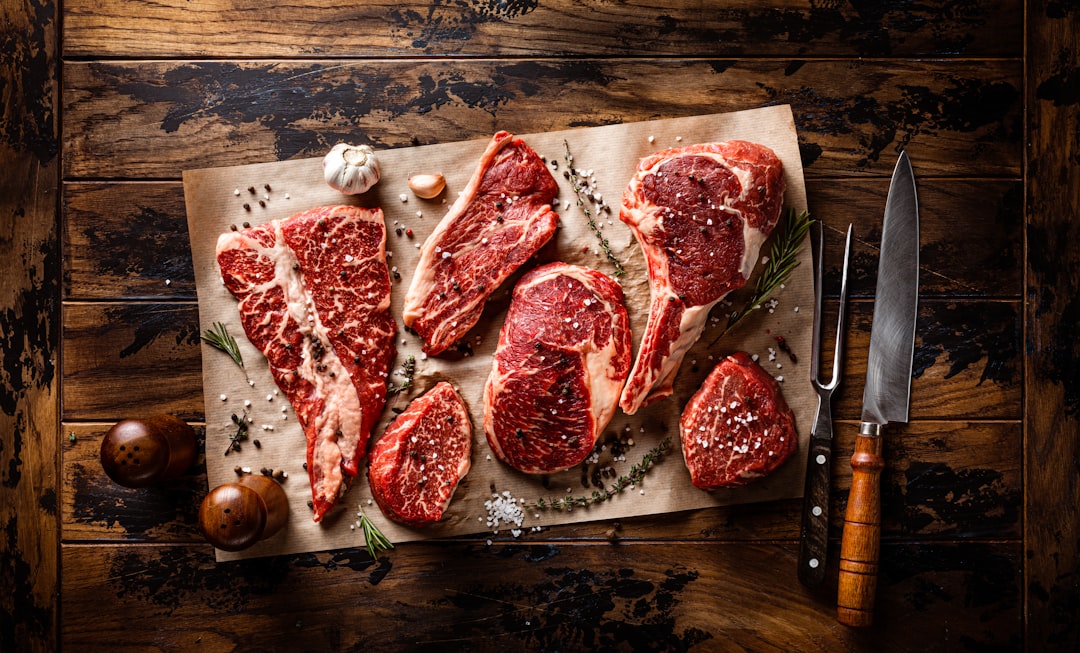
The ribeye is arguably the ruler of the steak world for many barbecue enthusiasts. Its abundant marbling is the secret to its succulent, melt-in-your-mouth texture and intensely beefy flavour. Even if you’re a beginner griller, a well-cut ribeye is remarkably forgiving.
Choosing Your Ribeye
Look for steaks with a good, even distribution of marbling throughout the meat. The fat cap on the edge is also desirable for extra flavour. Thickness is key; aim for at least an inch, preferably 1.5 to 2 inches, to allow for a good sear on the outside while keeping the inside beautifully medium-rare.
Grilling the Ribeye
Ribeye benefits from high-heat searing. Start with a screaming hot grill to achieve that perfect crust. Once seared on both sides, you can move it to a slightly cooler part of the grill to finish cooking to your desired doneness. Rest the steak for at least 5-10 minutes after cooking; this is crucial for allowing the juices to redistribute, ensuring maximum flavour and tenderness.
Sirloin Steak: A Fine Balance of Tenderness and Flavour
Sirloin is another excellent choice, offering a robust beefy flavour that’s slightly leaner than the ribeye. It’s a more economical option but still delivers a superb grilling experience.
Selecting a Good Sirloin
Opt for sirloin that has good colour and is free from excessive sinew. While it has less marbling than a ribeye, you should still look for some visible flecks of fat. Again, thickness is important for achieving a good sear.
Cooking Sirloin to Perfection
Sirloin cooks relatively quickly. Similar to the ribeye, a high-heat sear is your friend. Be careful not to overcook it, as it can become tough. Medium-rare to medium is generally the sweet spot for sirloin. Resting is just as important here to prevent the juices from running out.
Bavette Steak: The Underrated Gem
Bavette, also known as flank or skirt steak depending on the exact cut, is a thinner, more fibrous cut that offers incredible flavour. It’s often more affordable and, when cooked correctly, can be exceptionally delicious.
The Appeal of Bavette
Bavette has a lovely, chewy texture and a strong, beefy taste that stands up well to marinades and rubs. Its natural grain makes it perfect for slicing against the grain for maximum tenderness.
Mastering Bavette
Bavette is best cooked quickly over high heat. It’s generally enjoyed at medium-rare. The key to tenderness is slicing it thinly against the grain after it has rested. This breaks up the long muscle fibres, making it much easier to chew.
Pork: Versatility and Satisfying Char
Pork is a fantastic meat for the barbecue, offering a diverse range of cuts that cater to different tastes and cooking styles.
Pork Ribs: The BBQ Classic
Pork ribs are practically synonymous with barbecue. Whether you opt for St Louis style, baby back, or spare ribs, they are guaranteed to be a hit. The slow rendered fat and collagen create an irresistible sticky, tender, and flavourful experience.
The Rib Selection Process
Baby back ribs are from the loin and are generally more tender and meaty. Spare ribs come from the belly and are fattier, with a more intense flavour when cooked low and slow. St Louis style ribs are spare ribs trimmed to a more uniform shape. All benefit from some prep work for optimal results.
The Low and Slow Approach for Ribs
Ribs are not a quick-grill item. They require a longer cooking time at a lower temperature to allow the connective tissues to break down and the fat to render. This can be achieved directly on the grill with careful heat management, or by partially cooking them in the oven or smoker before finishing them on the barbecue to get that essential char.
The Magic of the Rub
A good dry rub is essential for flavouring pork ribs. It should typically include a blend of salt, pepper, paprika, garlic powder, onion powder, and brown sugar. The sugar helps with caramelisation and gives the ribs a beautiful sticky glaze.
Sauces for the Finish
Barbecue sauce is often applied in the final stages of cooking, allowing it to caramelise without burning. Alternatively, serve it on the side for those who prefer to add their own.
Pork Belly: The Indulgent Choice
For those who truly want to push the boat out, pork belly is an incredibly rewarding cut for the barbecue. Its high fat content means it becomes wonderfully tender and crispy when cooked slowly.
Sourcing and Preparing Pork Belly
Look for pork belly with a good balance of meat and fat. You can buy it with or without the rind. If it has the rind, scoring it deeply and evenly will help it to crisp up beautifully.
The Patience of Pork Belly
Pork belly requires a gentle, longer cooking process to render the fat and make the meat melt-in-your-mouth tender. This often involves indirect heat on the barbecue. The rind can be crisped up towards the end of the cooking time.
Lamb: A Taste of British Tradition
Lamb is deeply ingrained in British culinary heritage, and it translates wonderfully to the barbecue. Its distinctive flavour is a welcome change from the usual beef and pork.
Lamb Chops: Elegant and Delicious
Lamb chops are a fantastic choice for a slightly more refined barbecue. They cook quickly and offer a delightful flavour that pairs beautifully with herbs and a squeeze of lemon.
Choosing the Best Lamb Chops
When selecting lamb chops, look for those that are well-trimmed but still have a good amount of meat on the bone. Loin chops are generally considered the most tender and flavourful.
Grilling Lamb Chops
Lamb chops benefit from a hot grill. They cook very quickly, so keep a close eye on them to avoid overcooking. Medium-rare is often preferred to maintain their succulence. A simple seasoning of salt, pepper, and rosemary is often all that’s needed.
Lamb Koftas: Flavourful Bites
Minced lamb, seasoned with spices and herbs, makes for incredibly flavourful koftas. These are great for parties as they are easy to eat and can be prepared in advance.
The Art of the Kofta Mix
A good kofta mix will typically include finely chopped onion, garlic, fresh mint and parsley, cumin, coriander, and a pinch of chilli flakes for a subtle warmth. Don’t overwork the mixture, as this can make the koftas tough.
Shaping and Cooking Koftas
Shape the mixture around skewers to form uniform koftas. Grill them over medium-high heat, turning regularly, until cooked through and nicely browned. Serve with a cooling yoghurt dip.
Chicken: The Crowd-Pleaser
Chicken is a classic barbecue item for a reason. It’s versatile, affordable, and can be adapted to suit a wide range of flavour preferences.
Chicken Thighs: For Maximum Juiciness
While chicken breasts can be prone to drying out on the grill, chicken thighs are a far more forgiving and flavourful option. Their higher fat content ensures they stay moist and tender.
Thighs vs. Breasts: The BBQ Verdict
The natural marbling and slightly looser muscle structure of chicken thighs make them inherently more succulent when grilled. They also develop a fantastic crispy skin.
Marinating is Key
Chicken thighs truly shine when marinated. A wide array of flavours can be imparted, from smoky paprika and garlic to tangy lemon and herb. Marinades also help to tenderise the meat.
Cooking for Perfection
Chicken thighs can be cooked over direct heat on the grill, but be mindful of flare-ups. Ensure they are cooked through to an internal temperature of 75°C (165°F). A little charring adds to the appeal.
Whole Chicken: The Centrepiece
For a truly impressive barbecue, a whole chicken spatchcocked (butterflied) and grilled can be a showstopper.
The Spatchcocking Advantage
Spatchcocking involves removing the backbone and flattening the chicken. This allows for more even cooking, with both the breast and thigh meat finishing at roughly the same time, and creates more surface area for crispy skin.
Seasoning the Whole Bird
Generous seasoning, inside and out, is crucial for a whole chicken. Rubs or a simple mixture of salt, pepper, and your preferred herbs and spices work well.
Indirect Heat for the Win
Cooking a whole chicken on the barbecue is best done using indirect heat. This means placing the chicken over a cooler part of the grill, with the coals or burners on the sides. This prevents the skin from burning before the inside is cooked. Rotate the chicken during cooking for even browning.
Sausages and Burgers: The Essential Nibblers
No British barbecue is complete without a generous supply of sausages and burgers. While they might be considered the simpler options, quality and preparation are still key.
Sausages: Beyond the Basic
The humble sausage has had a renaissance, with butcher shops and supermarkets offering a dizzying array of flavours and ingredients.
Quality Over Quantity
Opt for sausages with a high meat content and fewer fillers. Artisan sausages made with quality pork, seasoned with herbs and spices, will always outperform mass-produced options.
Versatile Flavours
From classic Cumberland and Lincolnshire sausages to more adventurous varieties like chorizo, black pudding, or even lamb and mint, there’s a sausage to suit every palate.
Grilling Sausages Safely
Prick sausages before grilling to prevent them from bursting. Cook them over medium heat, turning regularly, until they are evenly browned and cooked through. Avoid overcrowding the grill, as this can lead to uneven cooking.
Burgers: The Foundation of a Feast
A good burger is a thing of beauty. The key lies in the quality of the mince and how it’s handled.
The Best Mince for Burgers
For the ideal burger, a mince with at least 20% fat content is recommended. This fat renders during cooking, providing moisture and flavour, and ensuring a tender patty. A blend of chuck and brisket mince is a popular choice for its rich flavour and good fat ratio.
Handling is Crucial
Don’t overwork the mince when forming patties. Gentle handling will result in a more tender burger. Season the patties just before grilling, as salt can draw out moisture.
Cooking to Your Liking
Burgers can be cooked to your preference, but medium-rare to medium is generally recommended for optimal juiciness. A good sear on both sides is essential for that satisfying crust. Again, avoid overcrowding the grill.
The Final Flourish: Marinades, Rubs, and Resting
Even the best cuts can be improved with a little extra attention before and after hitting the grill.
Marinades: Infusing Flavour and Tenderness
Marinades are brilliant for imparting flavour and can also help to tenderise tougher cuts. Acidic ingredients like lemon juice, vinegar, or buttermilk can break down muscle fibres, while oils help to carry flavours into the meat.
The Components of a Good Marinade
A balanced marinade typically includes an acidic component, an oil, flavourings (herbs, spices, garlic, onion), and salt. Avoid marinating for excessively long periods, as the acid can start to “cook” the meat, resulting in a mushy texture.
Recommended Marination Times
Beef and lamb can often be marinated for several hours, or even overnight for tougher cuts. Pork and chicken generally benefit from shorter marination times, typically 30 minutes to a few hours.
Dry Rubs: Building that Crust
Dry rubs are a fantastic way to add a flavourful crust to your grilled meats, especially ribs, chicken, and pork. They combine various herbs, spices, and often a touch of sugar for caramelisation.
Crafting Your Own Rub
Experiment with different spice combinations. Paprika, chilli powder, cumin, garlic powder, onion powder, brown sugar, and black pepper are all excellent starting points.
Applying the Rub
Apply the rub liberally to the meat, ensuring all surfaces are covered. Gently massage it in. Ideally, allow the rub to sit on the meat for at least 30 minutes, or even a few hours in the refrigerator, to allow the flavours to meld.
The Art of Resting: Patience Rewarded
This is perhaps the most overlooked but arguably the most crucial step in achieving perfectly cooked meat. After your meat comes off the grill, resist the urge to cut into it immediately.
Why Resting is Essential
When meat cooks, the muscle fibres contract, forcing the juices towards the centre. If you cut into it too soon, these juices will all run out onto your plate, leaving the meat dry and less flavourful. Resting allows the fibres to relax and reabsorb the juices, resulting in a significantly more succulent and enjoyable eating experience.
How Long to Rest
For steaks, a rest of 5-10 minutes is usually sufficient. Larger cuts, like a whole chicken or a roast, will require longer, often 15-20 minutes or even more. Tent the meat loosely with foil to keep it warm without steaming it.
By understanding the characteristics of different meat cuts and applying a few simple techniques, you can transform your summer barbecue into an event that will be talked about for all the right reasons. So, fire up the grill, choose your cuts wisely, and enjoy the delicious results of your culinary efforts. Happy grilling!