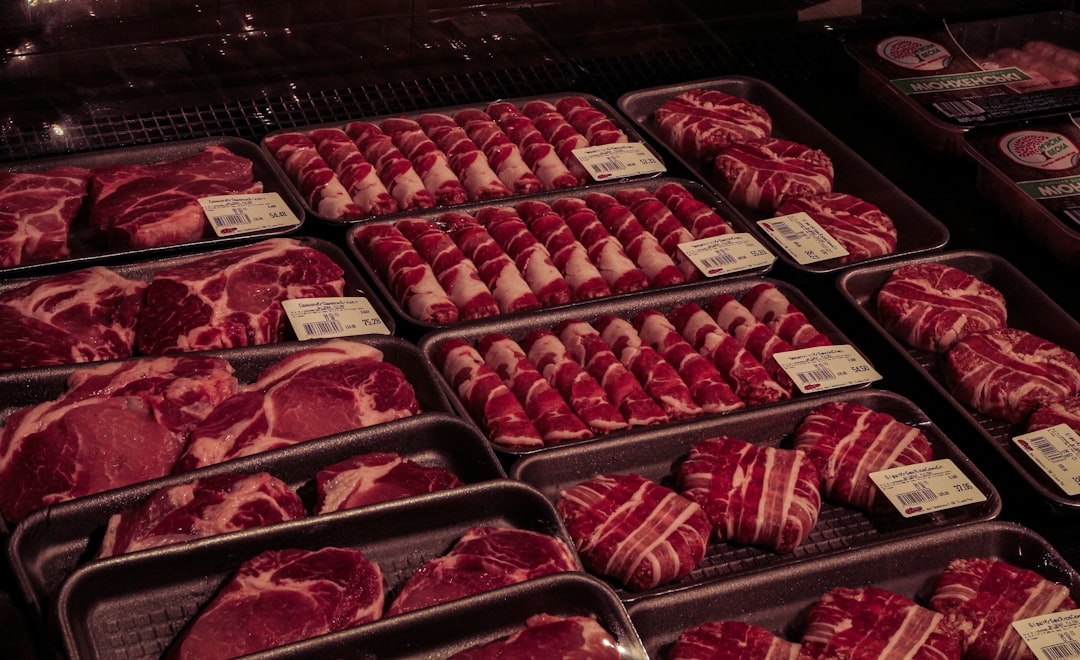
Pork. It’s a wonderfully versatile meat, a staple on many a Sunday roast and a star ingredient in countless dishes. But for the uninitiated, navigating the butcher’s counter, or even the supermarket meat aisle, can feel a little daunting. You’re faced with a dazzling array of cuts, each with its own personality, cooking requirements, and culinary potential. Fear not! This guide is designed to demystify the world of pork cuts, equipping you with the knowledge to make informed choices and create delicious meals. We’ll be focusing on the common cuts you’ll find readily available here in the UK, so let’s get started and unlock the porky potential of your next meal.
Understanding the Pig: Where the Magic Happens
Before we dive into specific cuts, a brief understanding of the pig itself is helpful. The way an animal moves and the muscle groups it uses significantly impact the tenderness and flavour of its meat. Think about it: muscles that are constantly working will be tougher and more flavourful, while those that are rarely used will be more tender and milder in taste.
Primary Sections of the Pig
The pig is broadly divided into several primary sections, and the cuts you find at the shop originate from these areas.
The Loin
This is arguably the most prized section of the pig, running along its back. It’s a prime area for tender, lean cuts.
- Characteristics: Generally lean, tender, and with a good flavour. The loin benefits from quick cooking methods to retain its succulence.
- Key Cuts: This section is the source of some of the most recognisable pork cuts, including the pork loin roast, pork chops, and the coveted fillet. We’ll delve into these in more detail later.
The Belly
Located on the underside of the pig, the belly is renowned for its richness and flavour.
- Characteristics: High in fat content, which renders during cooking, leading to incredibly tender and flavourful meat. This fat is also what gives belly pork its characteristic crisp crackling when cooked properly.
- Key Cuts: This is where you’ll find your beautiful pork belly slices, perfect for slow roasting or braising. It’s also the basis for American-style bacon.
The Shoulder (or Butt)
This is a more muscular and flavourful cut, situated on the front of the pig.
- Characteristics: Higher in fat and connective tissue than the loin, meaning it benefits from slow, moist cooking methods to tenderise. This results in deeply flavourful, succulent meat that often shreds beautifully.
- Key Cuts: Excellent for pulled pork, stews, casseroles, and larger roasts where tenderness is achieved through long cooking.
The Leg (or Ham)
The hind leg of the pig yields some substantial cuts and is often used for cured products.
- Characteristics: Can vary in tenderness depending on the specific cut. Some parts are leaner and can be roasted, while others benefit from slower cooking.
- Key Cuts: This is the traditional area for ham, both fresh and cured. Larger cuts can also be roasted.
The Ribs
As the name suggests, these cuts come from the rib cage.
- Characteristics: Offer a good balance of meat and fat, with the bones contributing to flavour during cooking.
- Key Cuts: Pork ribs, of course! Perfect for barbecuing or slow oven roasting.
The Timeless Classics: Loin and Chop
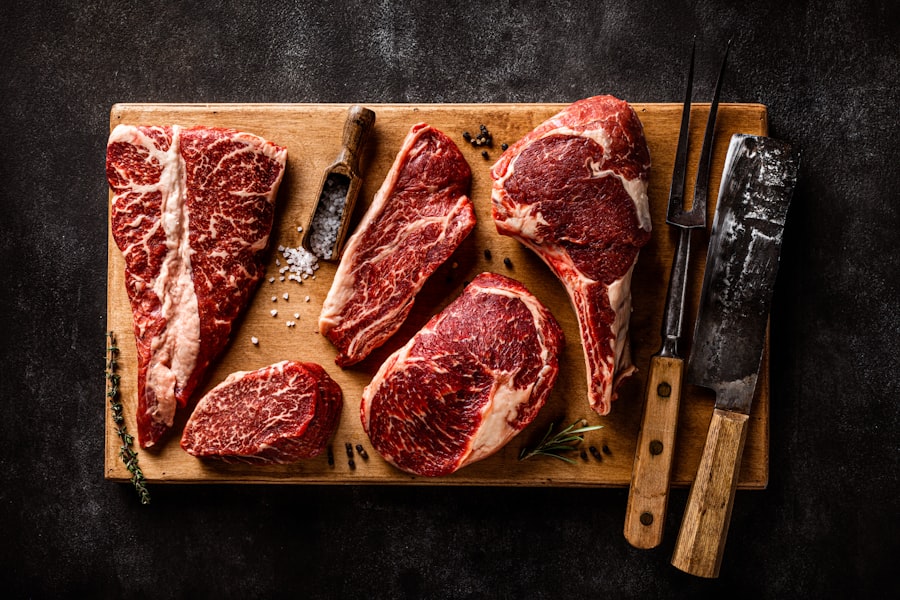
The pork loin is a versatile section, offering a range of cuts that are popular for everyday meals and special occasions alike.
Pork Loin Roast
The pork loin roast, often with the bone in or boneless, is a centrepiece for any Sunday dinner.
- What it is: A substantial cut taken from the loin, it can be sold as a whole loin, a half loin, or rolled and tied for easier carving. You’ll often see it with a thick cap of fat, which is crucial for moisture and flavour.
- Flavour & Texture: This is a lean, tender cut with a mild, pleasing pork flavour. The fat cap is key to preventing it from drying out during roasting.
- Cooking Methods: Primarily roasting. A moderate oven temperature is best, allowing the fat to render and the meat to cook through evenly without becoming tough. Aim for an internal temperature of around 68-71°C (155-160°F) for a slightly pink, juicy result. Resting is crucial to allow the juices to redistribute.
- Tips for Success:
- Score the Fat: If your roast has a thick fat cap, scoring it in a diamond pattern allows the fat to render more effectively, leading to better crackling. Be careful not to cut into the meat.
- Season Generously: A good rub of salt, pepper, and herbs like rosemary and thyme works wonders.
- Don’t Overcook: This is the cardinal sin with loin roasts. A thermometer is your best friend here.
- Resting is Non-Negotiable: Allow the roast to rest for at least 15-20 minutes before carving.
Pork Chops
Individually portioned, pork chops are a weeknight dinner favourite.
- What they are: Slices from the loin. You’ll find variations such as:
- Loin Chops: These are the most common and typically include a piece of the loin muscle and a T-shaped bone. They are lean and tender.
- Boneless Loin Chops: As the name suggests, the bone has been removed, making them easier to eat but potentially a little less flavourful than their bone-in counterparts.
- Chump Chops: Taken from the end of the loin, near the leg. They can be a little tougher than loin chops due to being more worked, but they carry more flavour and are often more economical.
- Blade Chops (or Shoulder Chops): These come from the shoulder and are often more marbled with fat, offering richer flavour but requiring slightly more careful cooking to avoid toughness.
- Flavour & Texture: Generally lean and tender, with the tenderness increasing the closer the chop is to the loin end. Blade chops will be richer and slightly more robust.
- Cooking Methods: Grilling, pan-frying, and baking are all excellent choices. Because they are thinner cuts, they cook relatively quickly.
- Tips for Success:
- Bring to Room Temperature: Allow chops to sit out of the fridge for 15-20 minutes before cooking for more even results.
- Hot Pan/Grill: A hot cooking surface sears the outside quickly, locking in juices.
- Don’t Crowd the Pan: Cook chops in batches if necessary to ensure good searing rather than steaming.
- Internal Temperature: Aim for 68-71°C (155-160°F).
- A Good Marinade: For blade or chump chops, a marinade can tenderise and add extra flavour.
The Rich Rewards: Pork Belly and Shoulder
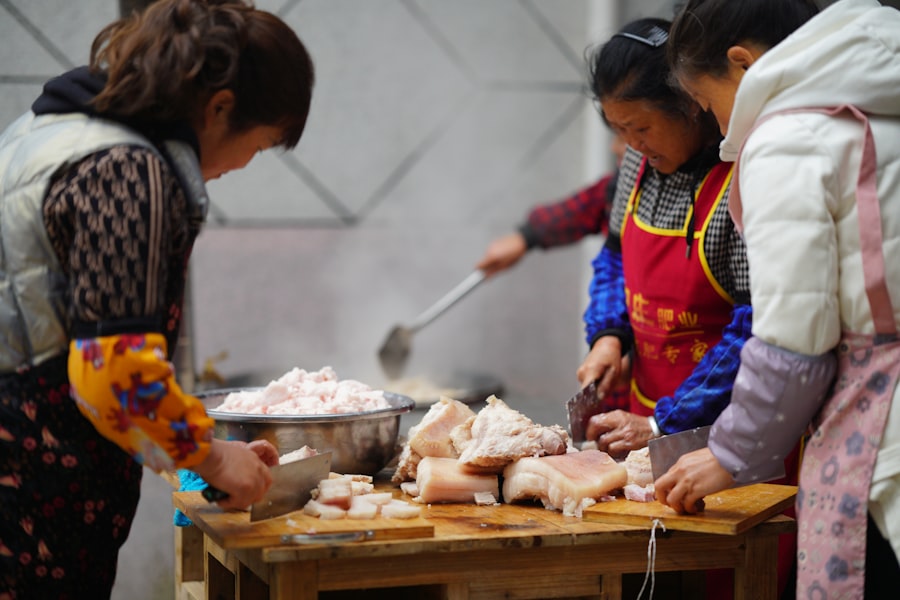
These cuts are where the real flavour often lies, thanks to their higher fat content and connective tissues. They demand a different approach to cooking but reward you handsomely.
Pork Belly
Pork belly is experiencing a well-deserved renaissance, celebrated for its incredible flavour and the potential for that glorious crackling.
- What it is: A fatty, flavorful cut from the underside of the pig. It’s sold as a slab, often with the skin on, or as slices.
- Flavour & Texture: Intensely rich and savoury. The marbling of fat throughout the meat renders beautifully, making it incredibly moist and tender. When the skin is crisp, it becomes the coveted crackling.
- Cooking Methods:
- Slow Roasting: This is the classic method. Low and slow in the oven allows the fat to render, tenderising the meat and crisping the skin. You’ll often see recipes suggesting starting at a higher temperature to get the crackling going, then reducing it.
- Braising: Submerging the belly in liquid (stock, wine, cider) and cooking it gently for hours will result in meltingly tender meat. The liquid will also become infused with flavour.
- Smoking: Pork belly is also fantastic when smoked, often yielding a rich, bacony flavour.
- Tips for Success:
- Dry the Skin Thoroughly: For crackling, the dryer the skin, the better it will crisp. Pat it down with paper towels, or even leave it uncovered in the fridge overnight.
- Salt is Your Friend: Generous salting of the skin before cooking is essential for achieving great crackling.
- Score the Skin (Carefully): Some people score the skin deeply to help them crisp, but this requires a very sharp knife and precision. If unsure, a good salting is often sufficient.
- Patience is Key: Pork belly is not a quick cook. Allow it ample time in the oven or braising pot.
Pork Shoulder (or Pork Butt)
This is the workhorse of slow-cooked pork dishes, delivering deep flavour and incredible tenderness.
- What it is: A cut from the upper part of the pig’s foreleg. It’s characterised by good marbling of fat and connective tissue.
- Flavour & Texture: Rich, robust pork flavour, with a satisfying fattiness. The connective tissue breaks down during slow cooking, creating a succulent, fork-tender texture that shreds easily.
- Cooking Methods:
- Slow Roasting: Ideal for larger cuts, cooked at lower temperatures for several hours.
- Braising/Stewing: Perfect for diced shoulder, simmered in liquid with vegetables and aromatics.
- Pulled Pork: The ultimate destiny for pork shoulder. Cooked low and slow until it can be easily pulled apart with forks.
- Tips for Success:
- Don’t Be Afraid of the Fat: The fat is what makes this cut so delicious and helps keep it moist during long cooking.
- Marinating is Beneficial: A good marinade can add complexity and a little tenderise.
- Low and Slow is the Name of the Game: Resist the urge to rush the cooking process. Low oven temperatures (around 140-160°C / 120-140°C) or slow cooker are your best bet.
- Resting: Even slow-cooked meat benefits from a resting period.
Beyond the Usual Suspects: Lesser-Known but Equally Delicious
While loin, belly, and shoulder are the most common, there are other excellent pork cuts worth exploring.
Pork Fillet (or Pork Tenderloin)
This is the crème de la crème of lean pork cuts, known for its extreme tenderness.
- What it is: A long, lean muscle that runs along the underside of the loin. It’s virtually fat-free.
- Flavour & Texture: Very mild, delicate pork flavour and exceptionally tender, almost melt-in-your-mouth texture.
- Cooking Methods:
- Pan-Frying/Searing: Its leanness means it cooks very quickly. A short sear is often all that’s needed.
- Roasting: Can be roasted whole, but care must be taken not to overcook.
- Barding: Wrapping the fillet in bacon or pancetta can add fat and flavour to prevent it from drying out.
- Tips for Success:
- Minimal Cooking: Overcooking is the quickest way to turn tender fillet into a tough chew. Aim for an internal temperature of around 63-68°C (145-155°F) for a slightly pink, juicy result.
- Quick Sear: A hot pan is essential for a beautiful crust.
- Resting is Still Important: Even though it cooks fast, resting allows the juices to settle.
Pork Ribs
A barbecue and family favourite, pork ribs are all about flavour and fun.
- What they are: Come from the rib cage of the pig. The most common types you’ll find are:
- Spare Ribs: These are from the lower part of the rib cage and are larger and meatier.
- Baby Back Ribs (or Back Ribs): These are from higher up the rib cage, nearer the loin. They are generally shorter, more tender, and have less meat.
- Flavour & Texture: A good balance of meat and fat. The bone itself also imparts flavour during the cooking process. The texture becomes tender and succulently pulled off the bone when cooked properly.
- Cooking Methods:
- Low and Slow BBQ/Smoking: The ideal method for achieving tender, fall-off-the-bone ribs.
- Oven Roasting: Can be done in the oven, often finished under the grill or with a glaze for a sticky finish.
- Tips for Success:
- Remove the Membrane: On the bone side of the ribs, there’s a tough, silvery membrane. It’s worth peeling this off with a knife and paper towel before cooking, as it can become tough and unappetising.
- Low and Slow: Again, patience is rewarded. Cooking at lower temperatures for longer periods breaks down the connective tissues.
- Glaze and Baste: Towards the end of cooking, brushing with barbecue sauce or a glaze adds fantastic flavour and a sticky finish.
The Versatile Ham and Other Edible Delights
The leg of the pig is where we get our beloved ham, and other cuts that can be surprisingly useful.
Fresh Ham Roasts
This refers to the uncooked leg of pork.
- What it is: The entire hind leg of the pig. It’s a large cut and can be cooked bone-in or boneless.
- Flavour & Texture: Can be leaner than pork shoulder, but with good marbling. Tenderness can vary.
- Cooking Methods: Primarily roasting. Due to its size, it benefits from careful temperature control to ensure even cooking and prevent drying.
- Tips for Success:
- Score and Season: Similar to the loin, scoring the fat and seasoning well is important.
- Low and Slow Roasting: Often a good approach for larger legs.
- Use a Meat Thermometer: Essential for ensuring the correct internal temperature is reached.
Pork Hock (or Shank)
Often overlooked, the hock is a flavourful cut that’s perfect for adding depth to dishes.
- What it is: The lower part of the leg, above the trotter. You can buy them cured or uncured. Uncured hocks are sometimes called shanks.
- Flavour & Texture: Rich in flavour, with a good amount of connective tissue and some meat. The flavour is often enhanced by curing.
- Cooking Methods:
- Braising/Stewing: Excellent for slow-cooked dishes where their flavour can infuse the surrounding liquid. They add a wonderful depth and richness.
- Boiling/Simmering: Often used to flavour stocks, soups, and stews.
- Tips for Success:
- Long Cooking Times: Like shoulder, these cuts need time to become tender.
- Adds Savoury Depth: Even if you don’t eat the meat directly from the hock, it’s a fantastic ingredient for building flavour in other dishes.
Pork Neck (or Collar)
This cut, from the upper part of the shoulder, is gaining popularity for its flavour and tenderness.
- What it is: Taken from the neck area, it’s well-marbled with fat.
- Flavour & Texture: Tender and very flavourful, with a good balance of meat and fat.
- Cooking Methods:
- Roasting: Can be roasted whole or as individual steaks.
- Braising: Benefits from slow, moist cooking.
- Tips for Success:
- Naturally Tender: It doesn’t require extremely long cooking times, but slow and steady is still beneficial for maximum tenderness.
- Great for Steaks: Pork neck steaks are a delicious alternative to loin chops.
Mastering the Art of Pork Cooking
Beyond understanding the cuts, a few general principles will elevate your pork cooking.
The Importance of Temperature
This is paramount for, as we’ve touched on, preventing overcooking.
Internal Temperature Guidelines (UK Standards)
- Leaner Cuts (Loin Chops, Fillet): Cooked to 63°C (145°F) and then rested for at least 3 minutes. This will result in a slightly pink, juicy interior.
- Slightly Fattier Cuts/Roasts (Loin Roasts, Shoulder Roasts, Belly): Cooked to 68-71°C (155-160°F). This allows for more rendering of fat and tenderising of connective tissue.
- Ground Pork/Sausages: Must be cooked thoroughly to 75°C (167°F) to ensure safety.
Resting: The Unsung Hero
Allowing cooked pork to rest is non-negotiable. This brings a uniform internal temperature and allows the juices to redistribute throughout the meat. Cutting into it too soon will cause those precious juices to run out, leaving you with dry pork. For roasts, aim for 15-20 minutes. For chops and fillets, 3-5 minutes is sufficient.
Seasoning and Flavour Pairing
Pork is a versatile canvas for flavour.
Classic Pairings
- Herbs: Rosemary, thyme, sage, parsley.
- Spices: Black pepper, fennel seeds, mustard seeds, paprika, chilli.
- Fruits: Apples, pears, plums, and various berries complement pork beautifully.
- Aromatics: Garlic, onion, shallots.
- Sauces: Apple sauce, mustard, cider-based sauces, barbecue sauces.
The Power of Marinades and Brines
- Marinades: These are great for adding flavour and tenderising, especially for leaner or slightly tougher cuts. Acidic ingredients like vinegar, lemon juice, or yoghurt, along with oil and aromatics, work well.
- Brines: A saltwater solution, often with sugar and seasonings, can significantly improve the moisture content and tenderness of pork, particularly for roasts and chops.
By familiarising yourself with these different cuts and a few fundamental cooking techniques, you’ll be well on your way to preparing delicious and satisfying pork dishes. Don’t be afraid to experiment and discover your own favourite porky creations!