As a proud purveyor of all things culinary and meticulously optimised for search engines, I’ve noticed a certain, dare I say, underappreciated segment of British cuisine: the hearty, unapologetic meat dishes. While more delicate fare often grabs headlines, it’s these robust, flavourful creations that truly speak to the soul of many a British table. For the meat lover, our island’s culinary landscape offers a treasure trove of experiences, each steeped in tradition and bursting with satisfying heft. It’s time to shine a spotlight on these titans of the British plate.
Let’s be clear: this isn’t about fleeting trends or dishes that require a translator to decipher. This is about honest, deeply flavourful food, the kind that warms you from the inside out and leaves you feeling utterly content. These are the dishes that have stood the test of time, evolving from humble beginnings into beloved national treasures. So, if you find yourself with a hankering for something substantial, something that celebrates the glorious bounty of the land, then buckle up. We’re about to embark on a delicious journey through five classic British dishes that are simply essential for any serious meat enthusiast.
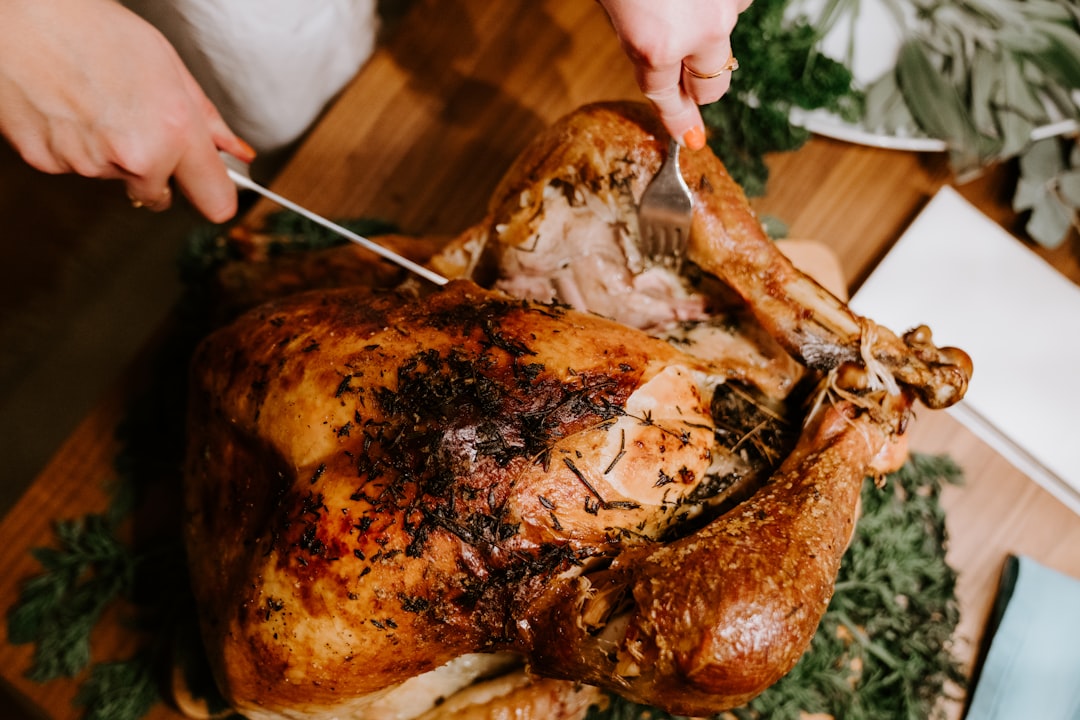
When you think of a classic British meal, the Sunday Roast inevitably springs to mind. It’s more than just a dish; it’s a ritual, a cornerstone of family gatherings, and a testament to the enduring appeal of slow-cooked, flavourful meat. The aroma alone – a comforting blend of roasting meat, herbs, and root vegetables – is enough to transport you to a state of pure anticipation. While its origins are steeped in a history of providing a substantial meal before attending church, today, it’s a weekly indulgence for millions, a delicious demarcation between the hustle of the week and the quietude of the weekend.
The Anatomy of a Proper Sunday Roast
A truly great Sunday Roast is a symphony of textures and flavours, with each element playing its vital part. It’s a dish that requires a certain amount of attention and love, but the rewards are immense.
The Star of the Show: The Roasted Meat
The centrepiece of any Sunday Roast is, of course, the meat itself. The choices are varied, each offering a distinct taste and texture profile that caters to different preferences.
Beef: The King of Roasts
Often considered the quintessential Sunday Roast meat, a well-cooked joint of beef is a thing of beauty. Tender, succulent, and packed with rich, beefy flavour, it’s a crowd-pleaser for a reason. Opting for cuts like sirloin, rib, or rump will yield different results, but all promise a satisfying depth. The key to an exceptional beef roast lies in allowing the meat to rest properly after cooking, ensuring those juices redistribute, resulting in unparalleled tenderness. A good blast of heat at the start, followed by a gentler, slower cook, is your best bet for achieving that perfect pink interior.
Lamb: A Fragrant Delight
For those who appreciate a more aromatic roast, lamb is an excellent choice. The distinct, slightly gamey flavour of lamb pairs beautifully with herbs like rosemary and mint. A leg of lamb or a rack of lamb slowly roasted until meltingly tender is a truly memorable experience. The fat cap on a leg of lamb, when rendered properly, adds an incredible richness and moisture to the meat. Don’t be afraid to get a bit of colour on the outside; that’s where much of the flavour is concentrated.
Pork: The Crispy-Skinned Wonder
Pork, particularly a joint with a good layer of crisp crackling, is another fantastic option. The contrast between the succulent meat and the shatteringly crisp skin is a textural marvel. Belly pork or shoulder are ideal for slow roasting, as they become incredibly tender and flavourful. Achieving that perfect crackling requires a bit of patience and the right technique, often involving scoring the skin deeply and ensuring it’s thoroughly dried before roasting. Some opt for a high initial heat to kickstart the crackling process, then lower the temperature to ensure the meat cooks through without drying out.
Chicken: The Accessible Classic
While not always the first choice for hard-core meat lovers seeking deep, gamey flavours, a perfectly roasted chicken is undeniably delicious and a more accessible option for many. A plump, free-range bird, basted with butter and herbs, can deliver incredibly juicy meat and a golden, flavourful skin. Stuffing the cavity with aromatics like lemon, onion, and garlic infuses the meat with subtle yet impactful flavours. It’s a comforting and familiar choice that still holds its own on the Roast table.
The Supporting Cast: Trimmings and Accompaniments
A roast meat is only as good as its accompaniments, and the Sunday Roast boasts a formidable supporting cast.
Roasting Potatoes: Crispy, Fluffy Perfection
The humble potato is elevated to an art form when it comes to roasties. Par-boiling them until just tender, then roughing up the edges before roasting in hot fat (duck or goose fat is a popular choice for extra crispiness) creates a glorious exterior that’s both golden and impossibly crunchy, while the inside remains wonderfully fluffy. Some chefs swear by pre-heating the fat in the roasting tin before adding the par-boiled and fluffed potatoes.
Yorkshire Puddings: The Puffy Delights
These airy, savoury delights are a mandatory inclusion for many. Made from a simple batter of flour, eggs, and milk, they puff up magnificently in a hot oven, creating a light and airy vessel, perfect for soaking up gravy. Crucially, the batter should be smooth and lump-free, and the fat in your Yorkshire pudding tin must be piping hot before you pour it in. The oven temperature needs to be high and consistent to achieve that characteristic rise.
Vegetables: A Rainbow of Flavours
A good Sunday Roast wouldn’t be complete without a selection of seasonal vegetables, steamed or roasted to perfection. Think fluffy carrots, tender broccoli, sweet parsnips roasted to a caramelised finish, and of course, a generous dollop of mint sauce with lamb or horseradish sauce with beef. The vibrant colours and fresh flavours provide a welcome counterpoint to the richness of the meat.
Gravy: The Unifying Elixir
Finally, no Sunday Roast is truly finished without a glorious, rich gravy. Made from the meat juices, stock, and perhaps a splash of wine or Worcestershire sauce, it’s the ultimate unifier of all the elements on the plate. A good gravy should be smooth, flavourful, and have a satisfying viscosity. Don’t be afraid to add a knob of butter at the end for an extra sheen and richness.
2. Steak and Kidney Pie: A Robust and Hearty Classic
When considering enduringly popular meat dishes, the Steak and Kidney Pie stands tall. This is comfort food at its finest, a surefire way to satisfy a serious craving for rich, savoury flavours. Encased in a golden, flaky pastry, a generously filled pie with tender chunks of beef, flavourful kidney, and a deep, satisfying gravy is an unforgettable experience. It’s the kind of dish that evokes feelings of warmth, tradition, and pure, unadulterated satisfaction.
The Magic Within the Pastry Crust
The beauty of a steak and kidney pie lies in the harmonious interplay of its components. The slow-cooked filling develops an incredible depth of flavour, while the pastry provides a comforting, often satisfyingly crisp, exterior.
The Filling: A Symphony of Savoury Notes
The heart of the pie is its filling, a carefully balanced blend of textures and tastes.
The Beef: Tender and Rich
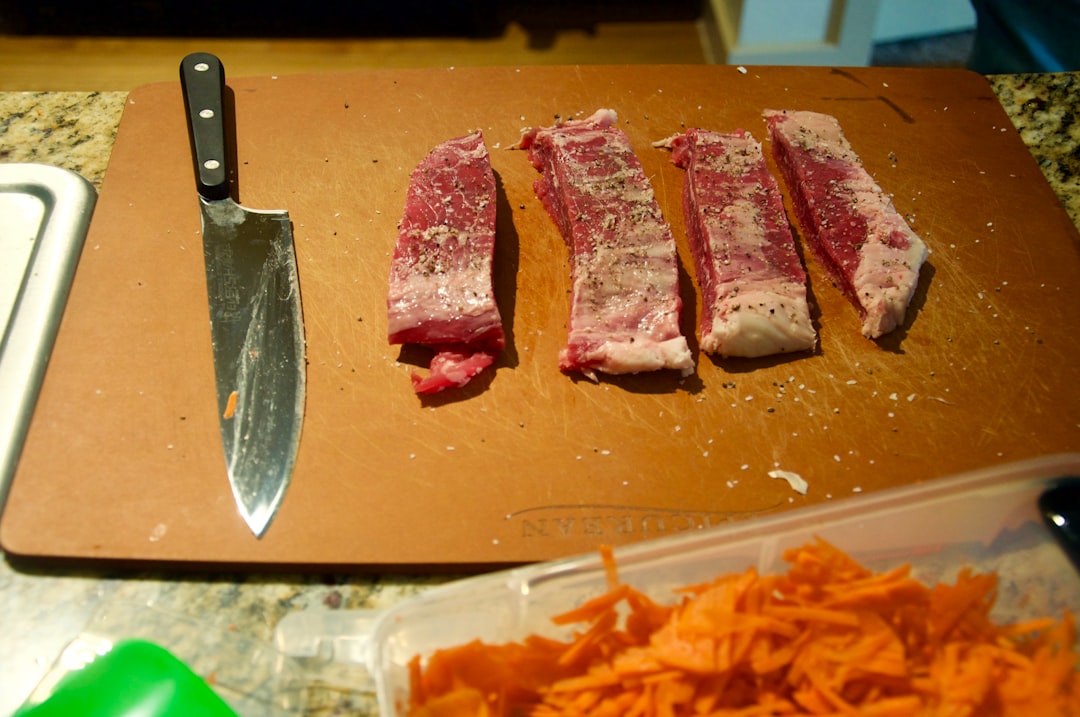
For the beef, a braising cut like chuck or shin is ideal. These cuts, when slow-cooked, break down beautifully, becoming incredibly tender and releasing their deep, beefy flavour into the gravy. The low and slow cooking process is paramount here, allowing the connective tissues to break down, resulting in meltingly soft meat that requires minimal effort to chew.
The Kidney: A Distinctive Zest
The kidney, traditionally lamb or beef, adds a unique, slightly metallic tang that complements the richness of the beef. It’s important to prepare the kidney properly by soaking it in milk or water to remove any impurities and impart a milder flavour. Some prefer to dice it finely, while others leave larger chunks for a more pronounced flavour. The key is to ensure it’s cooked until tender, not chewy.
The Gravy: The Soul of the Pie
The gravy that binds everything together is crucial. A robust beef stock, often enriched with a good ale or stout, onions, carrots, and a touch of Worcestershire sauce, forms the base. Thickening the gravy towards the end of the cooking process ensures it coats the meat and kidney beautifully, creating a truly luxurious filling. A hint of tomato purée can add a subtle sweetness and depth.
The Pastry: The Golden Embrace
The pastry encasing the filling plays a vital role in the overall experience.
Shortcrust Pastry: The Reliable Base
A good shortcrust pastry provides a solid foundation. It should be buttery, flaky, and hold its shape well when baked. Making your own pastry from scratch, using good quality butter and cold ingredients, is highly recommended for the best texture and flavour. The key is to avoid overworking the dough, which can make it tough.
Puff Pastry: The Feather-Light Crown
Alternatively, a puff pastry lid offers a lighter, airier contrast to the rich filling. The layers of puff pastry create a delightful crispness and a visual appeal that’s hard to resist. Ensuring the puff pastry is chilled before baking is essential for achieving those signature flaky layers.
Serving Suggestions: Elevating the Experience
A steak and kidney pie is a substantial meal in itself, but a few classic accompaniments can truly elevate the experience.
Creamy Mashed Potatoes: A Comforting Bed
A generous dollop of smooth, buttery mashed potato is a perfect foil for the rich pie filling, creating a classic comfort food pairing. The natural sweetness of the potato complements the savoury notes of the pie.
Steamed Green Vegetables: A Touch of Freshness
A side of simple steamed greens, like broccoli or peas, provides a refreshing counterpoint to the richness of the pie, adding a pop of colour and a welcome dose of vitamins.
3. Bangers and Mash: The Unpretentious Hero of British Comfort Food

If there’s one dish that truly embodies the spirit of unpretentious, soul-warming British comfort food, it’s Bangers and Mash. This seemingly simple pairing of good quality sausages with creamy mashed potatoes and a rich onion gravy is a national treasure. It’s the kind of meal that feels like a warm hug on a cold evening, a reliable friend on any plate. Don’t let its simplicity fool you; when executed with care and quality ingredients, Bangers and Mash is a culinary triumph.
The Pillars of a Perfect Platter
The magic of Bangers and Mash lies in the quality of its core components and the delicious harmony they create.
The “Bangers”: Sausages of Distinction
The “banger” in question refers to the sausage, and the quality here is paramount. Forget limp, flavourless supermarket offerings. We’re talking about proper, thick, meaty sausages packed with flavour.
Pork Sausages: The Classic Choice
Traditional pork sausages are the backbone of many a Bangers and Mash. Look for sausages with a high meat content and a good blend of herbs and seasoning. Some prefer a Cumberland sausage with its characteristic spiral, while others opt for a simpler, well-seasoned pork link. The key is a good snap when you bite into them and a deep, satisfying pork flavour.
Alternative Sausage Varieties: Expanding the Palate
While pork is the king, don’t shy away from exploring other excellent sausage options. Lamb and mint sausages offer a fragrant twist, while beef sausages provide a deeper, richer flavour. For those seeking a bit more spice, a Lincolnshire sausage with its peppery notes is a fantastic choice.
The “Mash”: Creamy, Dreamy Potatoes
The mashed potato accompaniment is almost as important as the sausages themselves. It needs to be smooth, creamy, and utterly delicious.
Butter and Milk: The Classic Combination
The traditional method involves mashing boiled potatoes with generous amounts of butter and milk. The aim is a light, fluffy texture that melts in the mouth. Double cream can be used for an extra touch of indulgence.
Garlic and Herbs: Adding Another Dimension
For those who like to push the boat out a little, infusing the milk with garlic before mashing, or adding finely chopped chives or parsley, can elevate the mash to new heights.
The Onion Gravy: The Glazed Treasure
No Bangers and Mash is truly complete without a rich, savoury onion gravy. It’s the sticky, flavourful element that brings everything together.
Slowly Caramelised Onions: The Foundation of Flavour
The secret to a truly exceptional onion gravy lies in slowly caramelising the onions. This process draws out their natural sweetness and creates a deep, complex flavour. Slicing the onions thinly and cooking them over a gentle heat for an extended period is key.
A Rich Stock Base: Building Depth
A good beef or chicken stock forms the liquid base for the gravy. Adding a splash of Worcestershire sauce or soy sauce can enhance the umami notes, while a touch of flour cooked with the onions helps to thicken the gravy to the perfect consistency.
Serving It Up: Simple Perfection
Bangers and Mash is a dish that doesn’t need much fuss. It’s about letting the quality of the ingredients shine.
A Sprinkle of Parsley: A Garnish with Green
A simple sprinkle of freshly chopped parsley over the top adds a touch of colour and a hint of freshness.
Peas or Beans: A Touch of Green Vegetable
A side of simple steamed peas or green beans offers a welcome contrast and a touch of visual appeal.
4. Lancashire Hotpot: A Slow-Cooked Symphony of Lamb and Potato

The Lancashire Hotpot is a dish that speaks of resilience, flavour, and the comforting embrace of slow cooking. Originating from Lancashire in the North West of England, this hearty stew is a masterclass in transforming humble ingredients into something truly extraordinary. It’s a dish that requires patience, but the reward is a deeply flavourful, tender, and utterly satisfying meal. Imagine tender chunks of lamb, slow-cooked with vegetables and topped with a layer of thinly sliced potatoes that crisp up beautifully in the oven. That’s the essence of a Lancashire Hotpot.
The Layers of Flavour: Crafting the Hotpot
The construction of a Lancashire Hotpot is as important as the cooking itself. Each layer contributes to the overall depth and texture.
The Base Layer: Tender Lamb and Richness
The foundation of the hotpot is the lamb, typically neck or shoulder, cut into generous chunks. These cuts are ideal for slow cooking, as they become incredibly tender and release their flavour into the surrounding liquid.
Marinating for Maximum Flavour
Some cooks choose to marinate the lamb before cooking, infusing it with herbs like rosemary and thyme, or a splash of red wine, to further enhance its flavour profile before it even hits the pot.
Slow Braising: The Key to Tenderness
The lamb is usually browned first to develop a richer flavour, then slow-braised with onions, carrots, and sometimes leeks. A good, robust lamb or beef stock forms the liquid base, ensuring the meat is submerged and can cook gently for several hours. This slow braising allows the tough connective tissues in the lamb to break down, resulting in melt-in-the-mouth tenderness.
The Potato Topping: A Crispy, Golden Crown
The iconic topping for a Lancashire Hotpot is the layer of thinly sliced potatoes. These potatoes cook on top of the stew, absorbing the rich flavours from below and creating a wonderfully crisp, golden crust.
Uniform Slicing: For Even Cooking
It’s crucial to slice the potatoes thinly and uniformly. This ensures they cook evenly and create a cohesive, attractive topping. Mandolins are excellent tools for achieving this consistency.
Layering for Texture
The potatoes are layered meticulously, overlapping slightly, to create a solid, insulating crust. Some cooks will par-boil the potatoes for a few minutes before layering, while others place them directly onto the stew. The exact method can influence the crispness and texture of the final topping.
The Subtle Undertones: Aromatics and Seasoning
While the lamb and potatoes are the stars, the supporting aromatics and seasoning play a vital role in building the hotpot’s complex flavour.
Onions and Carrots: The Sweet Foundation
Onions and carrots are almost always included in the base of the hotpot, providing a natural sweetness and depth of flavour as they soften and caramelise during the slow cooking process.
Herbs and Spices: Aromatic Nuances
Fresh rosemary and thyme are classic additions, their earthy, aromatic notes pairing beautifully with lamb. Bay leaves also contribute a subtle, savoury undertone. Worcestershire sauce or a splash of red wine can add further complexity to the braising liquid.
Serving and Enjoyment: A Hearty Feast
A Lancashire Hotpot is a complete meal in itself, best served piping hot, directly from the oven.
A Spoonful of Tradition: Scooping into Bowls
The beauty of a hotpot is its rustic charm. Simply scoop generous portions into bowls, ensuring each serving gets a good amount of tender lamb and the glorious crisp potato topping.
Accompaniments: Simple and Complementary
While not strictly necessary, a simple side of pickled red cabbage can provide a welcome sharpness to cut through the richness of the hotpot. A dollop of mint sauce can also be a delightful addition for those who enjoy it.
5. Steak and Ale Pie: A Rich, Deep Flavoured British Staple
The Steak and Ale Pie is a testament to the power of slow cooking and the perfect marriage of simple ingredients. This is a pie that doesn’t shy away from robust flavours. Tender chunks of beef, braised until meltingly soft in a rich ale gravy, all encased in a flaky pastry – it’s a dish that embodies the heartiness and depth of British cuisine. It’s a meal designed to satisfy, to comfort, and to linger pleasantly on the palate.
The Alchemy of Braising: Crafting the Perfect Filling
The secret to an exceptional Steak and Ale Pie lies in the slow, patient braising of the beef, allowing it to absorb the rich flavours of the ale and surrounding aromatics.
The Beef: The Star of the Show
For the beef, it’s essential to choose a cut that benefits from slow cooking. Diced chuck steak, brisket, or feather blade are excellent choices. These cuts contain enough connective tissue to break down and tenderise beautifully during the long cooking process, resulting in incredibly succulent and flavourful meat.
Browning for Depth of Flavour
Before braising, the beef is typically browned in hot fat. This Maillard reaction creates a rich caramelisation on the surface of the meat, adding a significant depth of flavour to the overall dish. It’s a crucial step that shouldn’t be skipped.
The Ale: A Brew of Distinction
The choice of ale is significant. A good quality dark ale or stout is usually preferred, as its malty, slightly bitter notes complement the richness of the beef and contribute a complex flavour profile to the gravy. Avoid overly hoppy or bitter ales, which can overpower the other ingredients. A mild brown ale can also work well.
The Gravy: A Symphony of Savoury Notes
The gravy is the unsung hero of the Steak and Ale Pie, binding all the elements together in a comforting, flavourful embrace.
Slow Simmering: Developing Richness
The beef is braised gently in the ale, often with beef stock, onions, carrots, and herbs like thyme and bay leaves. This slow simmering process allows the flavours to meld and deepen, creating a rich, unctuous gravy.
Thickening for Perfect Consistency
Once the beef is tender, the gravy is usually thickened, often with a roux (flour and butter cooked together) or by reducing it down. The aim is a glossy, coating consistency that clings beautifully to the meat and pastry. A spoonful of tomato purée can add a subtle sweetness and depth, while a dash of Worcestershire sauce can enhance the umami notes.
The Pastry: The Golden Casing
The pastry is the final flourish, providing a satisfying crispness and a comforting textural contrast to the tender filling.
Shortcrust Pastry: The Reliable Classic
A good quality homemade shortcrust pastry is a popular choice for the base and lid. It should be buttery, flaky, and robust enough to hold the rich filling without becoming soggy. Ensuring the pastry is well-chilled before baking is key to achieving optimal flakiness.
Puff Pastry: A Lighter Touch
Some prefer a puff pastry lid for a lighter, airier topping. The layers of puff pastry bake up beautifully, creating a crisp and delicate crown. Whichever pastry is used, it should be blind-baked (partially baked on its own) if used as a base, to prevent it from becoming waterlogged by the filling.
Serving and Appreciation: A Meal to Savour
A Steak and Ale Pie is a dish that demands to be savoured. Served hot, with its rich aromas filling the air, it’s a truly satisfying culinary experience.
The Perfect Partners: Sides to Complement
While the pie is a meal in its own right, classic accompaniments enhance the experience.
Creamy Mashed Potatoes: A Comforting Duo
A generous portion of smooth, buttery mashed potatoes is a natural partner to the rich pie filling, providing a comforting and absorbent base.
Buttered Greens: A Touch of Freshness
Simple steamed greens, such as broccoli, cabbage, or peas, offer a welcome touch of freshness and colour, cutting through the richness of the pie.
A Pint of Ale: The Ultimate Pairing
One cannot truly appreciate a Steak and Ale Pie without enjoying it with a pint of the very ale that was used in its creation. The echoes of flavour create a harmonious and deeply satisfying dining experience.
There you have it, five pillars of British meat cuisine that offer a truly authentic and deeply satisfying experience for any meat lover. These dishes are more than just meals; they are a testament to our culinary heritage, a celebration of quality ingredients, and a source of unparalleled comfort. So, next time you’re looking to indulge in something truly flavourful, remember these British classics. You won’t be disappointed.