Ribeye, Sirloin, and Rump: A Guide to Your Steak Choices
Choosing the right cut of steak can feel like a minefield, especially when faced with the seemingly endless options at your local butcher or supermarket. Among the most popular contenders are Ribeye, Sirloin, and Rump steak, each boasting its own unique characteristics. As a UK-based Foodie expert and content creator, I’m here to demystify these cuts, helping you make an informed decision that leads to a truly satisfying meal. We’ll delve into their origins, textures, flavours, cooking methods, and most importantly, what sets them apart.
Understanding the anatomical origin of each steak is fundamental to appreciating its flavour and texture. These cuts are not random; they are specific regions of the cow, each contributing to the steak’s identity.
The Rib Primal: Birthplace of the Ribeye
The Ribeye steak is renowned for its rich marbling and tender texture, and this excellence is directly attributable to its origin.
Situated Above the Ribs
The Ribeye comes from the rib primal, specifically from the area of the cow that runs from the sixth to the twelfth rib. This section of the animal is relatively inactive, meaning the muscles here haven’t been worked as strenuously. This lack of intense exercise is key to the steak’s inherent tenderness.
The ‘Eye’ of the Rib
The name “Ribeye” itself provides a clue to its origin and appearance. It’s essentially a boneless cut from the rib section, with the “eye” being the large, central muscle. This central muscle is surrounded by smaller muscles and, crucially, interspersed with intramuscular fat.
The Loin Primal: The King of the Sirloin
The Sirloin, often considered a versatile and crowd-pleasing option, also hails from a prized section of the cow.
The Upper Middle Back
Sirloin steaks are cut from the loin primal, which is located along the upper middle section of the cow’s back, behind the ribs and in front of the rump. This is a well-protected area, receiving less exercise than the muscles along the animal’s legs or underbelly.
Divided into Top and Bottom
Within the loin, there are further distinctions. The most common Sirloin steaks you’ll encounter in UK butcheries are typically cut from the “top loin.” This area is known for producing lean yet tender steaks. There’s also the “bottom loin,” which can be further divided into cuts like the T-bone and Porterhouse (though these are often classified separately due to the bone). For the purpose of this comparison, we’re primarily focusing on the boneless Sirloin often presented at retail.
The Rump Primal: The Heart of the Hindquarters
The Rump steak, a British favourite often chosen for its robust flavour and value, originates from a different, yet equally important, part of the cow.
Located at the Rear
As the name suggests, Rump steak comes from the rump primal, which is the muscular hindquarters of the cow. This area contains several muscles that work together to support the animal’s movement.
A Group of Muscles
The rump is a cluster of muscles, and when you buy a Rump steak, you are typically getting a cut that incorporates a few of these. This is why Rump can sometimes have a slightly more varied texture than Sirloin or Ribeye, with pockets of tenderness and areas that are slightly firmer.
Marbling Matters: The Secret to a Juicy Steak
The intricate network of fat within a steak, known as marbling, is a primary determinant of its flavour and succulence. It’s not about the external fat cap, but the delicate white lines running through the muscle itself.
The Ribeye’s Signature Marbling
The Ribeye is arguably the champion when it comes to marbling. The generous distribution of intramuscular fat is what gives it its distinctive rich flavour and melt-in-your-mouth texture.
Intramuscular Fat Distribution
The Ribeye’s anatomical position leads to a natural abundance of fat within the muscle. This fat renders down during cooking, basting the meat from the inside, resulting in unparalleled moisture and a luxurious mouthfeel.
Contributing to Flavour
This rendered fat is also a significant carrier of flavour. As it melts, it releases compounds that enhance the natural beefy taste, making the Ribeye a truly indulgent choice for steak connoisseurs.
Sirloin: A Leaner, Yet Well-Marbled Contender
While not as heavily marbled as a Ribeye, Sirloin still possesses enough intramuscular fat to offer a satisfying balance of flavour and tenderness.
Moderate Marbling
Sirloin steaks typically have a moderate amount of marbling. You’ll see discernible streaks of fat, but they are generally finer and less dense than those found in a Ribeye.
Balanced Flavour Profile
This moderate marbling contributes to a well-balanced flavour profile. It’s beefy and enjoyable without being overly rich or greasy, making it a great all-rounder.
Rump: Characterised by Less Marbling
Rump steak generally contains less marbling compared to both Ribeye and Sirloin. The fat tends to be more focused on the edges rather than distributed throughout the muscle.
Fat in Clusters
The fat distribution in Rump steak is often more noticeable as distinct edges or seams of fat rather than fine, interwoven streaks. While some prefer this, others might find it less integrated.
Focus on Muscle Flavour
The reduced marbling means that the natural flavour of the beef muscle itself often takes centre stage with Rump steak. This can be a positive for those who appreciate a purer, less fat-driven taste.
Texture and Tenderness: A Comparative Approach
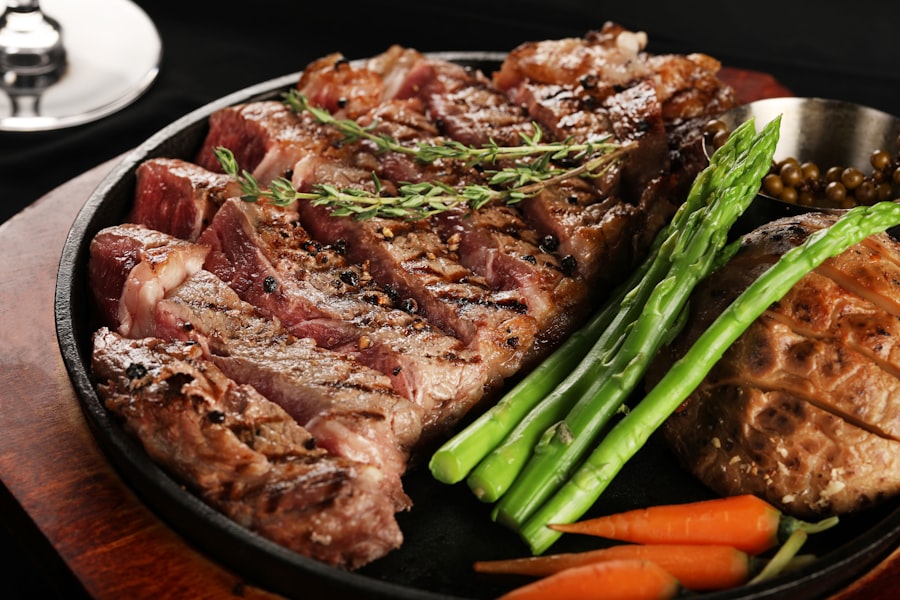
The way a steak feels in your mouth, its ‘bite’, is a crucial aspect of the dining experience. Tenderness is influenced by factors like muscle use, marbling, and cut thickness.
The Ribeye’s Renowned Tenderness
The Ribeye is consistently lauded for its exceptional tenderness. This is a direct consequence of its origin and marbling.
Minimal Muscle Activity
As previously mentioned, the rib muscles are not heavily worked. This lack of strenuous activity means the muscle fibres remain shorter and more delicate, leading to a tender steak.
The Role of Fat
The abundant intramuscular fat acts as a natural tenderiser. As it melts, it lubricates the muscle fibres, reducing resistance when you chew.
Sirloin: Tender, But with a Slight Chew
Sirloin offers a pleasing tenderness, but it often has a slightly more noticeable ‘chew’ than Ribeye.
Balanced Muscle Development
The loin muscles are more developed than those in the rib. This means the muscle fibres are a little longer and require a bit more effort to break down, resulting in that characteristic slight chew.
A Matter of Preference
This slight chew is not necessarily a negative; for many, it provides a satisfying textural contrast and indicates a more robust beef flavour. It’s a different kind of tenderness to the Ribeye’s almost buttery succulence.
Rump: Firmer Texture, Robust Bite
Rump steak is generally the firmest of the three. This is due to the muscles being more active and the lower amount of intramuscular fat.
Stronger, More Developed Muscles
The muscles in the rump are designed for locomotion and therefore are more toned and developed. This naturally leads to a firmer texture.
Benefits of the ‘Bite’
The firmer texture of a Rump steak can be an advantage. It can hold up well to robust marinades and grilling, and for those who enjoy a steak with a bit of a bite, it’s the ideal choice. It offers a primal, satisfying chew.
Flavour Profiles: What to Expect on Your Palate
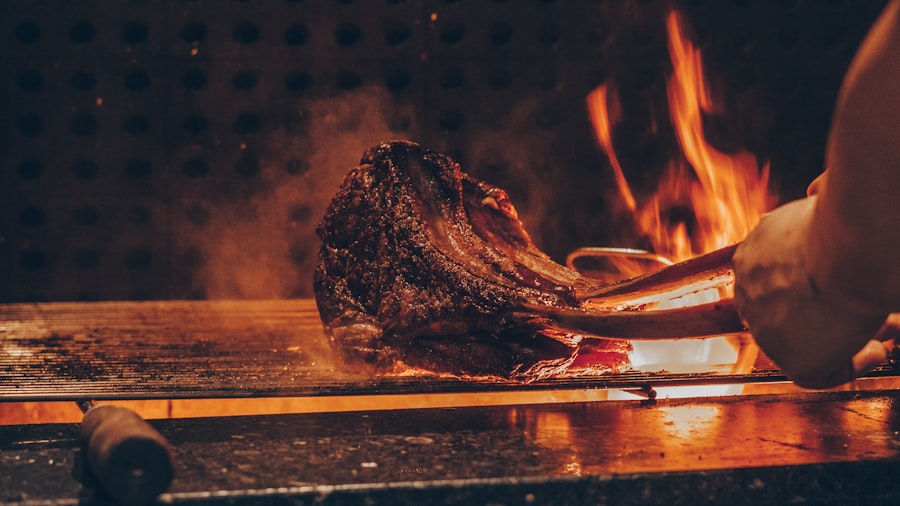
Beyond texture, the distinct flavour of each steak is a significant factor in its appeal. This is influenced by fat content, muscle type, and even how the animal was reared.
The Ribeye’s Rich and Buttery Flavour
The Ribeye is celebrated for its intense, rich, and undeniably beefy flavour, often described as buttery.
Fat-Driven Palate Experience
The high marbling is the primary contributor to this flavour. As the fat melts, it releases a wave of delectable, savoury notes across the palate.
A Luxurious Taste
It’s a flavour that coats the mouth, leaving a lingering richness. For many, the Ribeye represents the pinnacle of steak flavour due to its satisfying depth.
Sirloin: A Classic, Well-Rounded Beefiness
Sirloin offers a classic, satisfying beef flavour that is less intense than Ribeye but still deeply enjoyable.
Balanced and Approachable
The flavour profile is well-rounded and approachable, offering a clear, distinct beef taste without being overwhelming.
Complements Seasoning Well
Its moderate fat content means it readily absorbs and complements seasonings, making it a versatile choice for various flavour enhancements.
Rump: Intense and Robust Beefiness
Rump steak is known for its powerful, assertive beefy flavour. It’s a more primal and unadulterated taste compared to the other two.
Muscle-Forward Flavour
Without the masking effect of excessive fat, the natural flavour of the beef muscle comes through strongly. This is often described as a deeper, more intense beefiness.
A True Steak Flavour
For steak purists, the Rump offers a more honest and direct representation of beef flavour. It’s bold and satisfying, requiring little adornment to shine.
Cooking and Serving Recommendations: Maximising Your Steak’s Potential
The best cooking method for each steak can vary, and understanding these nuances will elevate your steak-cooking game.
Ribeye: Best for Pan-Searing and Grilling
The Ribeye’s marbling makes it forgiving and incredibly rewarding when cooked properly.
High Heat, Quick Sear
Pan-searing in a hot cast-iron pan or grilling over high heat are ideal for the Ribeye. The aim is to create a beautiful crust while keeping the inside tender and juicy.
Medium-Rare to Medium
Aim for medium-rare to medium. Overcooking will render too much of the precious fat, leading to a greasy rather than succulent steak. As the fat renders, it bastes the meat, ensuring moisture.
Resting is Crucial
Allowing the steak to rest for 5-10 minutes after cooking is essential to let the juices redistribute, ensuring every bite is as moist as the last.
Sirloin: Versatile for Pan-Searing, Grilling, and Broiling
Sirloin’s versatility means it performs well with a range of cooking techniques.
Adaptable to Heat
Like Ribeye, Sirloin benefits from high, direct heat. Pan-searing, grilling, and even broiling are excellent choices.
Medium-Rare is Optimal
Medium-rare is generally the sweet spot for Sirloin, preserving its tenderness and flavour. It can tolerate being cooked slightly beyond medium better than Ribeye, but still benefits from not being overdone.
Accompaniments
Sirloin pairs well with a variety of sauces, from classic peppercorn to red wine reductions, as its flavour is robust enough to stand up to them.
Rump: Ideal for Grilling and Pan-Searing with a Focus on Char
Rump steak’s firmer texture means it can handle higher cooking temperatures and benefits from a good char.
High Heat and Good Char
Grilling or pan-searing over high heat is recommended to develop a flavourful crust and char. The firmer muscle structure can withstand this without drying out too quickly.
Medium to Well-Done (with caution)
While medium-rare is still a good option, Rump can often be enjoyed cooked to medium or even medium-well without becoming tough, especially if it’s a good quality cut. However, avoid cooking it completely ‘well-done’ as it can become chewy.
Marinating for Extra Tenderness
For an even more tender Rump steak, consider marinating it for a few hours beforehand. This further enhances its robust flavour and can help to break down any tougher fibres.
In conclusion, while Ribeye, Sirloin, and Rump all hail from the noble cow, they offer distinct experiences on the plate. Whether you seek the unctuous richness of a Ribeye, the balanced perfection of a Sirloin, or the robust, primal flavour of a Rump, understanding these differences empowers you to make a choice that will undoubtedly lead to a delicious and satisfying meal. Happy steak cooking!