For many, the mention of lamb shanks conjures images of hearty meals, slow-cooked to perfection, and brimming with rich, comforting flavours. This cut, originating from the lower part of the leg, is renowned for its succulent meat and the depth of flavour released when braised. While once considered a more economical cut, its transformation into a culinary star over recent decades is testament to its versatility and the satisfying experience it offers. This article delves into the preparation of exceptional lamb shank dishes, perfect for a quintessential British feast.
Understanding the Lamb Shank: A Culinary Overview
Before we embark on the journey of preparing these magnificent cuts, it’s beneficial to understand what makes a lamb shank so unique and how to select the best examples. Think of a lamb shank as a culinary canvas; its inherent qualities dictate the masterpiece you can create.
Anatomy of a Lamb Shank
A lamb shank primarily consists of muscle, connective tissue, and a significant bone marrow. It is this combination that makes it ideal for slow cooking methods. Unlike leaner cuts such as the leg or loin, the shank’s high collagen content breaks down during prolonged simmering, converting into gelatin. This gelatin contributes significantly to the richness, tenderness, and mouthfeel of the final dish, ensuring the meat quite literally falls off the bone. The bone itself also plays a crucial role, leaching marrow and other flavour compounds into the braising liquid, further intensifying the dish’s savouriness.
Selecting Quality Lamb Shanks
The foundation of any outstanding dish lies in the quality of its ingredients. When selecting lamb shanks, several factors are worth considering:
- Source: Opt for lamb from reputable butchers or suppliers. British lamb, particularly from breeds like Welsh Mountain or Scotch Blackface, is often praised for its distinct flavour profiles, attributed to their natural grazing diets.
- Appearance: Look for shanks with a good amount of meat on the bone, indicative of a well-nourished animal. The meat should have a vibrant, deep red colour, and the fat should be creamy white. Avoid shanks that appear dry or discoloured.
- Size: Lamb shanks vary in size. For a substantial individual serving, one average-sized shank is typically sufficient. However, for a more generous portion or for individuals with larger appetites, two smaller shanks may be appropriate.
- Freshness: Ensure the lamb has no off-odours. Fresh lamb should have a mild, slightly gamey scent.
The Art of Braising: Unlocking Flavour and Tenderness
Braising is the quintessential cooking method for lamb shanks, a technique that transforms tough cuts into fork-tender delights. It is a process of slow cooking in a relatively small amount of liquid, typically in a covered pot or Dutch oven, allowing steam and heat to gently break down the meat’s structure. Imagine braising as a gentle, extended conversation between the ingredients, where each element contributes to a harmonious whole.
The Maillard Reaction: Browning for Depth
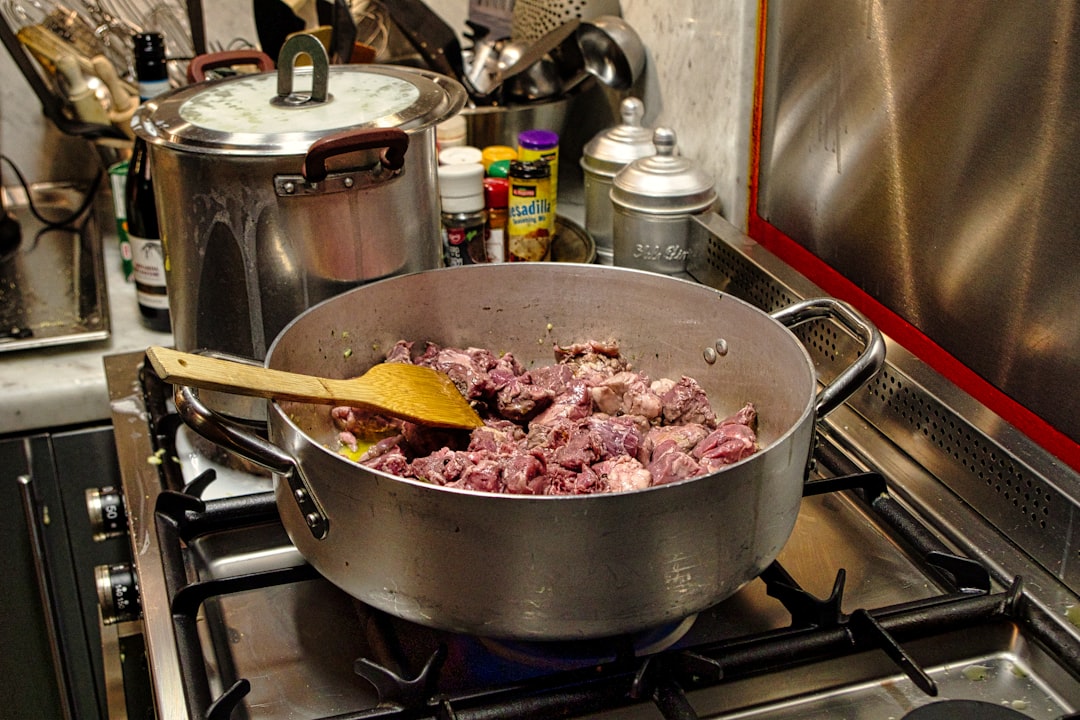
Before the braising liquid is introduced, the shanks should be thoroughly browned on all sides. This crucial step, known as the Maillard reaction, is a chemical process that occurs when amino acids and reducing sugars react in the presence of heat. It creates hundreds of flavour compounds, resulting in a rich, savoury crust and contributing significantly to the overall depth of the dish. Skipping this step would be akin to reading a book without its opening chapters – you miss vital context and flavour.
Aromatic Foundations: Building the Flavour Profile
Following the browning of the shanks, the next step involves sautéing aromatic vegetables, often referred to as a mirepoix (carrots, celery, and onions) or a soffritto (garlic, onion, and herbs). These vegetables, softened and caramelised in the rendered fat, form the aromatic bedrock of the braising liquid, infusing it with their sweet and savoury notes. British variations often substitute leek for some of the onion, providing a gentler, more earthy flavour.
The Braising Liquid: A Symphony of Flavours
The choice of braising liquid is paramount and dictates the overall character of the dish. Commonly used liquids include:
- Red Wine: A classic choice, particularly for robust red meats. It adds acidity, fruitiness, and tannins, which balance the richness of the lamb. Bordeaux or Chianti are often favoured.
- Stock: A high-quality beef or lamb stock forms an excellent base, providing a savoury umami foundation. Homemade stock is always superior, offering a depth of flavour unparalleled by commercial varieties.
- Tomatoes: Tinned chopped tomatoes or passata add a sweet and tangy acidity, helping to tenderise the meat and enrich the sauce. They are a common component in many British lamb shank recipes, often contributing a delightful tang that cuts through the richness.
- Herbs and Spices: Bay leaves, rosemary, thyme, and juniper berries are traditional accompaniments, imparting their distinctive aromas and flavours. For a subtle warmth, a touch of peppercorns or even a pinch of allspice can be transformative.
Classic British Lamb Shank Recipes: A Culinary Journey
Now, let’s explore some quintessential British lamb shank preparations, each offering a distinct culinary experience.
Rosemary and Garlic Lamb Shanks with Red Wine Gravy
This is perhaps one of the most widely recognised and beloved methods for preparing lamb shanks. It embodies comforting British cooking at its finest.
- Preparation: After browning the shanks, a mirepoix is sautéed with generous amounts of minced garlic and fresh rosemary. A good quality dry red wine (such as a Rioja or Cabernet Sauvignon) is then deglazed with, scraping up all the flavourful brown bits from the bottom of the pan. Beef or lamb stock, along with a can of chopped tomatoes if desired, completes the liquid base.
- Cooking: The shanks are returned to the pot, ensuring they are largely submerged. The pot is then covered and braised slowly in the oven at a low temperature (around 150-160°C) for 2.5 to 3.5 hours, or until the meat is exceptionally tender.
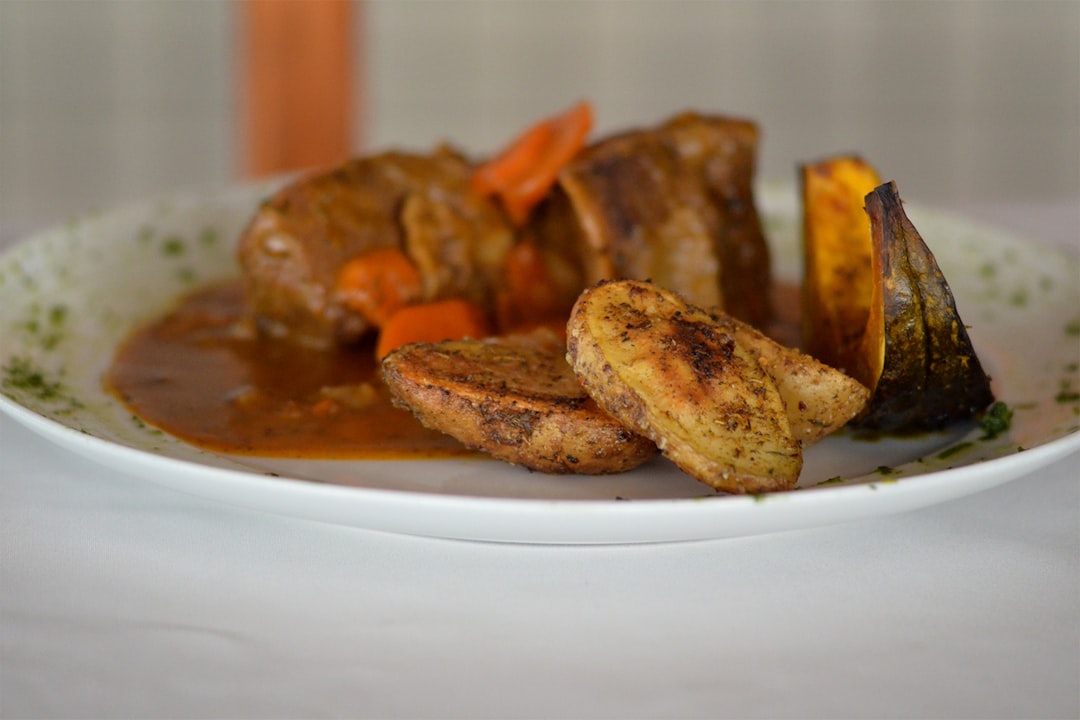
- Serving: The resulting rich, glossy gravy is often thickened slightly by reducing it on the stovetop or with a cornflour slurry. Serve with creamy mashed potatoes (a classic accompaniment), roasted root vegetables like parsnips and carrots, and perhaps some steamed greens. This dish is a testament to the idea that simplicity, executed with care, yields extraordinary results.
Spiced Lamb Shanks with Apricots and Couscous
This recipe offers a delightful departure from the traditional, incorporating Middle Eastern influences that have subtly woven themselves into segments of modern British cuisine. It provides a sweet, aromatic counterpoint to the savoury lamb.
- Preparation: Begin by browning the shanks. The aromatic base shifts towards onions, garlic, and ginger, sautéed with warming spices such as cumin, coriander, cinnamon, and a pinch of saffron. Dried apricots and a touch of honey or brown sugar are often added to the braising liquid, which can be lamb or chicken stock, potentially with a splash of orange juice for brightness.
- Cooking: Braise as per the previous method, ensuring the flavours have ample time to meld and the apricots soften to release their sweetness.
- Serving: The tender lamb, infused with exotic spices and sweet fruit, pairs beautifully with fluffy couscous. A sprinkle of fresh coriander or mint and a scattering of toasted almonds or pistachios add a fresh, textural finish. This dish illustrates the evolving palate of British cuisine, embracing global flavours while retaining a comforting familiarity.
Lamb Shanks with Pearl Barley and Root Vegetables
This recipe leans into the heartiness and earthiness of British autumnal and winter fare, utilising wholesome grains and robust vegetables. It’s a meal in its own right, a veritable stew that warms from the inside out.
- Preparation: After browning the shanks, sauté a robust mix of root vegetables: carrots, parsnips, swede (rutabaga), and celeriac. Add leeks and garlic. The braising liquid typically consists of rich beef or lamb stock, bolstered by a small amount of dark ale or stout, which adds a malty depth and complexity. Pearl barley is added towards the end of the cooking process.
- Cooking: Braise the shanks until tender, then add the pearl barley, allowing it to cook in the flavourful broth for the final 30-40 minutes, absorbing the liquid and becoming plump and tender.
- Serving: This dish is a complete meal, often requiring little more than a sprinkling of fresh parsley before serving. The pearl barley provides a satisfying chew and acts as a natural thickener for the rich gravy. It’s a celebration of seasonal British produce, grounding and deeply satisfying.
Irish Stout and Bacon Lamb Shanks
Though technically Irish in origin, the culinary crossover between Ireland and the UK is significant, and this robust dish finds a comfortable home on many British tables, particularly during colder months. The stout adds a distinctive bitterness and malty character that marries exceptionally well with lamb.
- Preparation: Brown the shanks first. Then, render some smoked streaky bacon or pancetta until crispy, removing it from the pan and reserving the fat. Sauté onions, carrots, and celery in the bacon fat. Deglaze with a generous pour of Irish stout (Guinness is a popular choice). Add beef stock and an optional spoon of tomato paste. The reserved crispy bacon can be added back during the final stages of cooking or used as a garnish.
- Cooking: Braise in the oven until the lamb is meltingly tender.
- Serving: This dish is immensely satisfying when accompanied by buttery mashed potatoes, creamed cabbage, or even Champ (Irish mashed potatoes with spring onions). The slight bitterness of the stout cuts through the richness of the lamb and bacon, creating a harmonious balance of flavours.
Minted Lamb Shanks with Green Lentils and Greens
Mint and lamb are a classic British pairing, the freshness of the herb providing a bright contrast to the richness of the meat. Incorporating green lentils makes this a substantial and nutritious one-pot meal.
- Preparation: After browning the shanks, sauté finely chopped onions, carrots, and celery. Add fresh mint – either chopped fresh leaves or a good quality dried mint. A splash of white wine or cider can be used to deglaze, followed by chicken or lamb stock. Green lentils are typically added part-way through the cooking process.
- Cooking: Braise the shanks until approaching tenderness, then add the green lentils and continue cooking until both the lamb and lentils are perfectly done. Towards the end, stir in some fresh or frozen peas, or blanched green beans, to add colour and freshness.
- Serving: This dish is often served directly from the pot, garnished with extra fresh mint. The lentils soak up the delicious braising liquid, creating a hearty and flavourful base. It’s a lighter interpretation of a lamb shank meal, yet still deeply comforting and satisfying.
Accompaniments and Beverages: Completing the Feast
A truly memorable British feast extends beyond the main course. Thoughtful accompaniments and well-chosen beverages elevate the dining experience.
Classic British Sides
- Creamy Mashed Potatoes: An absolute cornerstone. Ensure they are smooth, rich with butter and milk, and seasoned well.
- Roasted Root Vegetables: Carrots, parsnips, and potatoes, perhaps seasoned with rosemary and a drizzle of honey, add sweetness and textural contrast.
- Steamed Greens: Broccoli, green beans, or savoy cabbage, simply steamed and buttered, offer a vital fresh and vibrant element.
- Yorkshire Puddings: While traditionally served with roast beef, small, individual Yorkshire puddings can be a delightful addition, perfect for soaking up the glorious gravy.
Beverage Pairings
- Red Wine: Robust reds such as a well-structured Cabernet Sauvignon, a Malbec, or a Syrah (Shiraz) stand up beautifully to the richness of lamb. For a truly British experience, a fine English red wine could be an intriguing choice.
- Ale or Stout: For the stout-braised shanks, a hearty ale or, of course, a stout complements the dish perfectly.
- Non-Alcoholic: Sparkling elderflower cordial or a strong, malty apple juice can provide a refreshing counterpoint.
In conclusion, lamb shanks, when treated with the care and patience they deserve, offer a truly magnificent culinary experience. From the earthy richness of a classic rosemary and garlic preparation to the intriguing sweetness of a spiced and apricot-infused dish, these recipes demonstrate the versatile appeal of this humble cut. Preparing lamb shanks for a British feast is not merely cooking; it is an act of crafting comfort, presenting a dish that embodies warmth, tradition, and undeniable flavour. So, gather your ingredients, set aside an afternoon, and embark on a culinary journey that promises to delight your senses and satisfy your soul.
FAQs
What are lamb shanks and how are they best cooked?
Lamb shanks are the lower part of the leg of the lamb, known for their rich flavour and tender texture when cooked slowly. They are best cooked using slow-cooking methods such as braising or stewing, which break down the tough connective tissue and result in succulent, flavourful meat.
Can lamb shanks be cooked in a slow cooker?
Yes, lamb shanks are ideal for slow cooker recipes. Cooking them slowly at a low temperature allows the meat to become tender and absorb the flavours of the accompanying ingredients, such as herbs, vegetables, and stock.
What are some common ingredients used in recipes with lamb shanks?
Common ingredients include red wine, garlic, onions, carrots, rosemary, thyme, tomatoes, and stock. These ingredients complement the rich flavour of lamb and help create a hearty, comforting dish.
How long does it typically take to cook lamb shanks?
Cooking lamb shanks usually takes between 2 to 3 hours when braised in the oven or slow cooker. The exact time depends on the cooking method and temperature, but the meat should be tender enough to fall off the bone.
Are lamb shanks suitable for freezing after cooking?
Yes, cooked lamb shanks freeze well. It is best to cool them completely before placing them in airtight containers or freezer bags. They can be stored in the freezer for up to three months and reheated gently to preserve their texture and flavour.