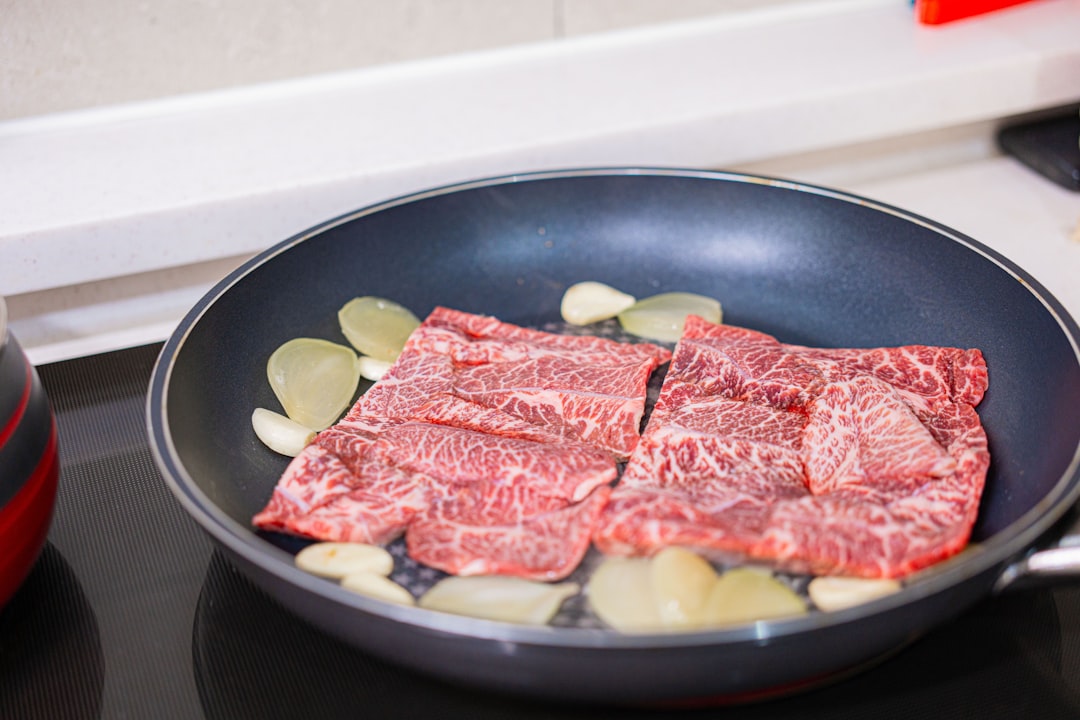
When it comes to meat, quality is paramount. The taste, texture, and overall experience of a meal can be significantly influenced by the quality of the meat used. High-quality meat is often characterised by its marbling, colour, and freshness.
Marbling refers to the small flecks of fat interspersed within the muscle, which can enhance flavour and tenderness when cooked. Freshness is equally important; meat that has been recently butchered retains its natural juices and flavours, making it far superior to older cuts that may have lost their appeal. Consumers are increasingly discerning, seeking out meat that not only tastes good but also meets their ethical and health standards.
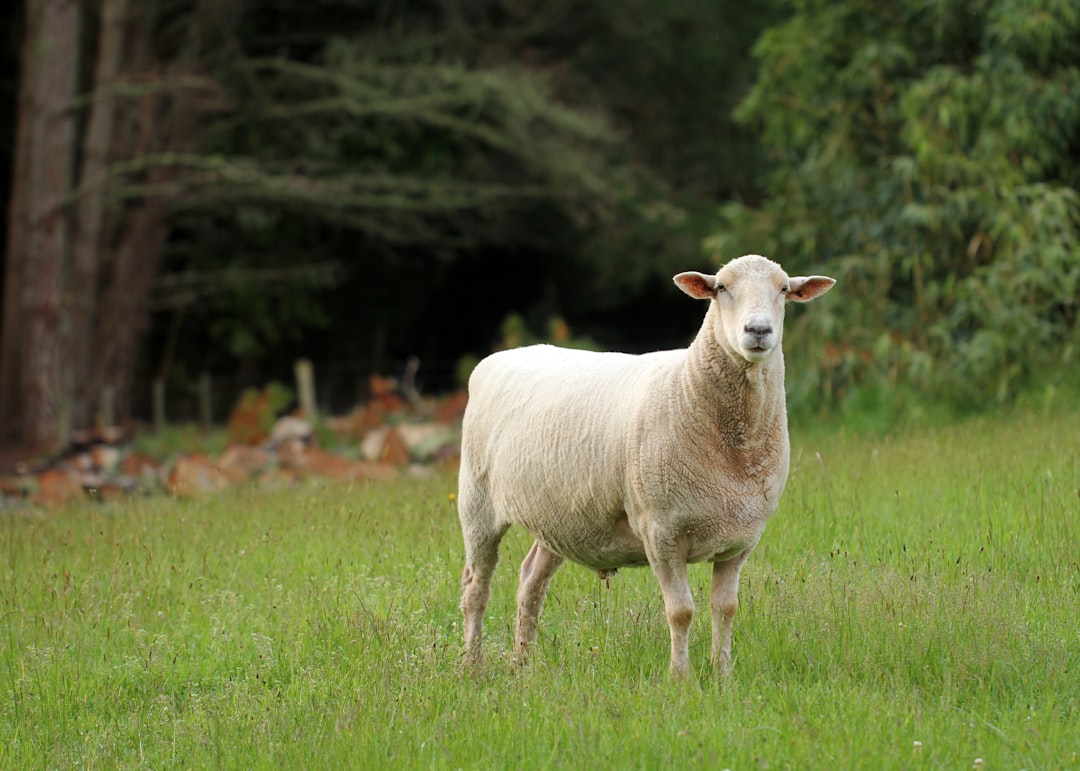
Moreover, the quality of meat extends beyond just the physical attributes. It encompasses the animal’s diet, living conditions, and how it was raised. Grass-fed beef, for instance, is often praised for its richer flavour and higher omega-3 fatty acid content compared to grain-fed alternatives.
Similarly, free-range poultry tends to have a firmer texture and a more robust taste than conventionally raised birds. As consumers become more educated about these factors, they are more inclined to invest in high-quality meat that aligns with their values and preferences.
Summary
- High-quality meat ensures better flavour and texture.
- Transparent sourcing guarantees traceability and ethical standards.
- Skilled butchers provide expert cutting and advice.
- Offering speciality cuts caters to diverse customer preferences.
- Personalised service enhances the overall shopping experience.
Sourcing and Traceability
In today’s market, sourcing and traceability have become buzzwords that resonate deeply with consumers. People want to know where their food comes from, how it was raised, and the journey it took to reach their plates. This desire for transparency has led many butchers to adopt rigorous sourcing practices, ensuring that they can provide detailed information about the origins of their meat.
By sourcing from local farms or reputable suppliers, butchers can guarantee not only the quality of the meat but also its ethical credentials. Traceability goes hand in hand with sourcing; it allows consumers to track the journey of their meat from farm to fork. Many butchers now offer information about the specific farms their meat comes from, including details about the animals’ diets and living conditions.
This level of transparency fosters trust between consumers and butchers, as customers feel more confident in their purchases when they know the story behind their food. In an age where sustainability and ethical consumption are at the forefront of many people’s minds, sourcing and traceability are essential components of a responsible meat-buying experience.
Butchery Skills and Expertise
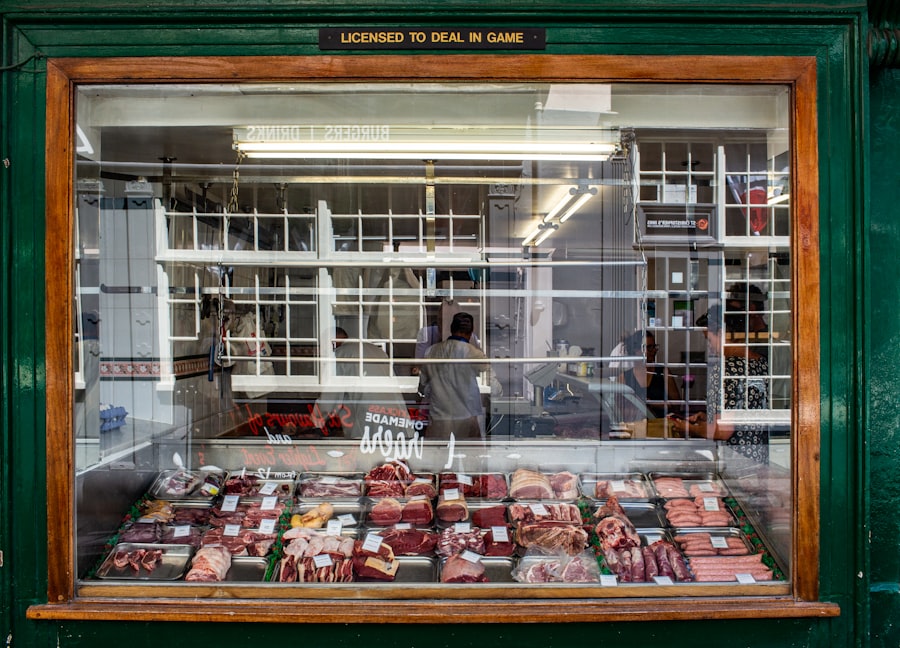
The art of butchery is a skill that has been honed over generations. A skilled butcher possesses a wealth of knowledge about different cuts of meat, how to prepare them, and the best cooking methods for each type. This expertise is invaluable for consumers who may be unsure about which cut to choose for a particular dish or how to cook it to perfection.
A knowledgeable butcher can provide recommendations based on personal preferences, dietary needs, and even cooking techniques, ensuring that customers leave with exactly what they need. Furthermore, the craftsmanship involved in butchery cannot be overstated. From breaking down whole animals into various cuts to preparing specialty items like sausages or cured meats, a butcher’s skill set is diverse and intricate.
This level of expertise not only enhances the quality of the products offered but also elevates the overall customer experience. When customers engage with a butcher who is passionate about their craft, they are more likely to appreciate the nuances of different cuts and develop a deeper connection to their food.
Variety and Speciality Cuts
One of the most exciting aspects of visiting a local butcher is the variety of meats available, including specialty cuts that may not be found in supermarkets. While grocery stores typically offer a limited selection of standard cuts like chicken breasts or sirloin steaks, butchers often provide an array of options that cater to adventurous cooks and those seeking something unique. From lesser-known cuts like flank steak or oxtail to exotic meats such as game or heritage breeds, the possibilities are endless.
Specialty cuts can also include unique preparations such as marinated meats or pre-seasoned options that save time in the kitchen without sacrificing flavour. Butchers often take pride in creating bespoke products tailored to their customers’ tastes, whether it’s a custom sausage blend or a specific cut prepared for a special occasion. This variety not only enhances culinary creativity but also encourages consumers to explore new flavours and cooking techniques, making each visit to the butcher a delightful adventure.
Personalised Service
In an era dominated by online shopping and impersonal transactions, personalised service stands out as a hallmark of traditional butchery. A good butcher takes the time to get to know their customers, understanding their preferences and dietary requirements. This relationship-building aspect is crucial; when customers feel valued and understood, they are more likely to return for future purchases.
Personalised service can manifest in various ways, from tailored recommendations based on previous purchases to offering cooking tips or recipe ideas. Moreover, this level of service extends beyond mere transactions; it fosters a sense of community. Customers often feel comfortable asking questions or seeking advice from their butcher, creating an environment where knowledge is shared freely.
This interaction not only enhances the shopping experience but also builds loyalty among customers who appreciate the attention and care they receive. In a world where convenience often trumps connection, personalised service remains a cherished aspect of local butchery.
Environmental Impact
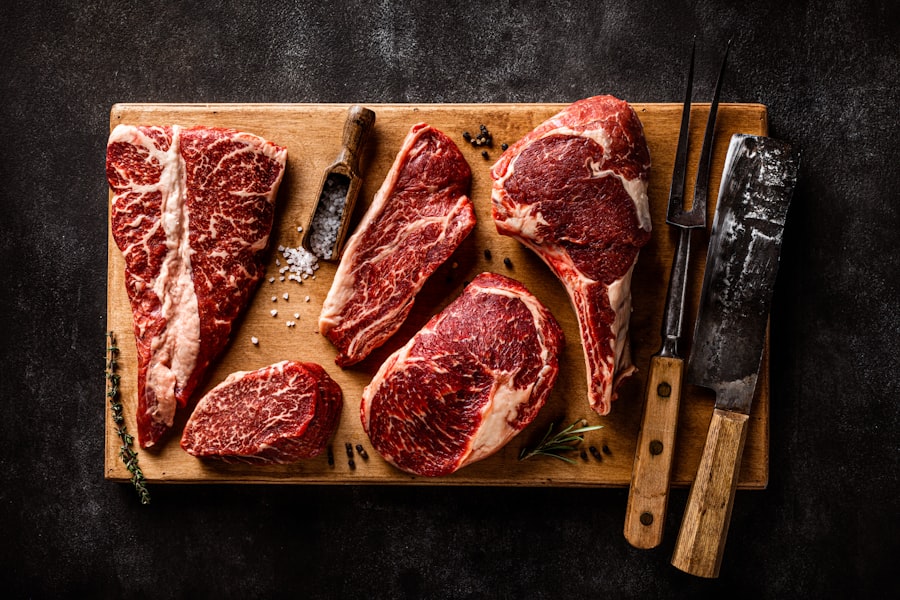
As awareness of environmental issues continues to grow, consumers are increasingly considering the ecological footprint of their food choices. The meat industry has faced scrutiny for its impact on climate change, deforestation, and resource depletion. However, many local butchers are taking steps to mitigate these effects by sourcing meat from sustainable farms that prioritise ethical practices.
By supporting local producers who employ regenerative farming techniques or raise animals in humane conditions, consumers can make more environmentally conscious choices. Additionally, local butchers often promote nose-to-tail eating, which encourages using every part of the animal to minimise waste. This approach not only respects the animal but also promotes sustainability by reducing the demand for mass-produced meat products that contribute to environmental degradation.
By choosing to shop at local butchers who prioritise sustainability, consumers can play an active role in supporting practices that benefit both their health and the planet.
Price and Value for Money
While price is often a significant consideration when purchasing meat, it is essential to evaluate value for money rather than simply opting for the cheapest option available. High-quality meat sourced from reputable suppliers may come at a premium price; however, it often delivers superior taste and nutritional benefits compared to lower-quality alternatives. When considering value for money, it’s crucial to factor in aspects such as flavour, texture, and overall satisfaction derived from a meal.
Moreover, investing in quality meat can lead to better cooking experiences and healthier eating habits. A well-prepared cut from a local butcher can elevate a simple meal into something extraordinary, making it worth every penny spent. Additionally, many butchers offer special deals or bulk purchasing options that can help customers save money while still enjoying high-quality products.
Ultimately, when consumers prioritise quality over price alone, they are likely to find greater satisfaction in their culinary endeavours.
Community Support
Supporting local butchers goes beyond simply purchasing meat; it contributes to the vitality of the community as a whole. Local businesses play a crucial role in fostering economic growth by creating jobs and supporting local farmers and suppliers. When consumers choose to buy from their neighbourhood butcher rather than large supermarket chains, they are investing in their community’s future and helping sustain local economies.
Furthermore, many butchers actively engage with their communities through events such as workshops or cooking demonstrations that promote culinary skills and knowledge sharing. These initiatives not only strengthen community ties but also encourage people to appreciate the value of locally sourced food. By supporting local butchers, consumers become part of a larger movement that champions sustainability, quality food production, and community resilience—an investment that pays dividends far beyond the dinner table.