When it comes to preparing chicken, selecting the right cut is crucial for achieving the desired flavour and texture in your dish. Chicken is a versatile protein, and each cut offers its unique characteristics. For instance, chicken breasts are lean and cook quickly, making them ideal for stir-fries or grilling.
On the other hand, thighs are richer in flavour and juicier due to their higher fat content, which makes them perfect for slow-cooking or roasting. Understanding the differences between these cuts can elevate your culinary creations and ensure that your meals are both delicious and satisfying. Additionally, there are various other cuts to consider, such as drumsticks and wings, which are often favoured for their succulent meat and crispy skin when roasted or fried.
Whole chickens can also be a fantastic option, allowing for a variety of cooking methods and the opportunity to use the carcass for homemade stock. When choosing your chicken cuts, consider the cooking method you plan to use, as well as the flavours you wish to highlight. By selecting the appropriate cut, you can enhance your dish’s overall appeal and ensure a delightful dining experience.
Summary
- Select chicken cuts based on recipe needs and cooking times for best results.
- Use marinades and seasonings to enhance flavour and tenderise the meat.
- Match cooking methods like grilling, roasting, or poaching to the dish type.
- Keep chicken juicy by avoiding overcooking and using proper resting techniques.
- Store leftovers safely and reheat thoroughly to maintain taste and food safety.
Marinating and Seasoning Techniques
Marinating chicken is an excellent way to infuse it with flavour and tenderise the meat. A good marinade typically consists of an acid (like lemon juice or vinegar), oil, and various herbs and spices. The acid helps break down the proteins in the chicken, making it more tender, while the oil adds moisture and richness.
You can experiment with different flavour profiles by incorporating ingredients such as garlic, ginger, soy sauce, or even yogurt. Allowing the chicken to marinate for at least 30 minutes—or even overnight—can significantly enhance its taste and texture. Seasoning is another vital aspect of preparing chicken.
A simple sprinkle of salt and pepper can go a long way, but don’t be afraid to get creative with your spice blends. Consider using paprika for a smoky flavour, cumin for warmth, or even a touch of cayenne for heat. Fresh herbs like rosemary, thyme, or parsley can also elevate your dish.
The key is to balance the flavours so that they complement rather than overpower the natural taste of the chicken. Whether you choose to marinate or simply season your chicken, taking the time to enhance its flavour will undoubtedly result in a more enjoyable meal.
Cooking Methods for Different Chicken Dishes
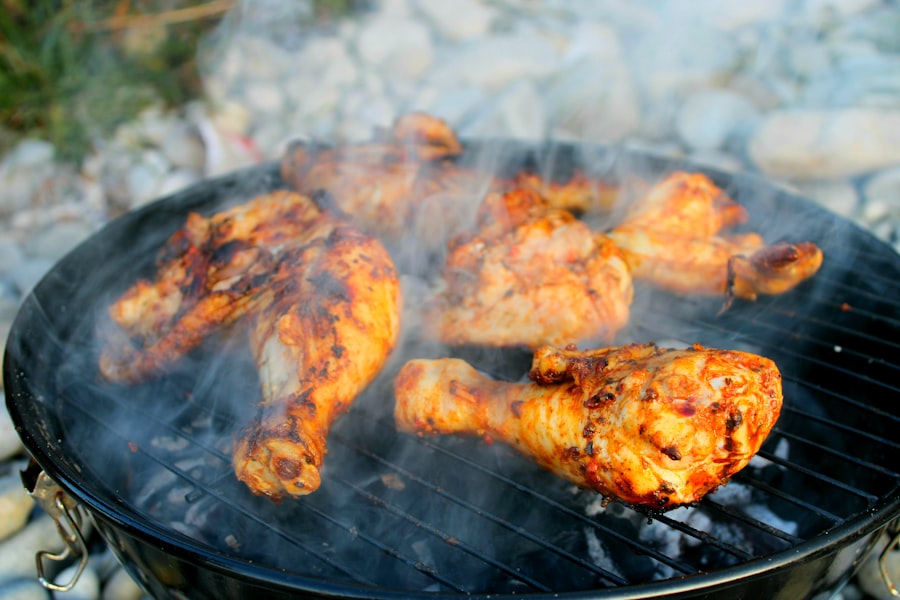
The method you choose to cook chicken can dramatically affect its flavour and texture. Roasting is a popular technique that allows the skin to become crispy while keeping the meat juicy. This method works particularly well with whole chickens or bone-in cuts, as the fat renders out during cooking, basting the meat in its own juices.
For those who prefer a quicker option, grilling or pan-searing can produce delicious results in a fraction of the time. These methods create a lovely char on the outside while keeping the inside moist. Alternatively, slow-cooking is an excellent choice for tougher cuts like thighs or drumsticks.
This method allows the meat to become incredibly tender as it simmers in a sauce or broth over several hours. Braising is another technique that combines both dry and wet cooking methods; searing the chicken first before adding liquid creates depth of flavour that is hard to beat. Each cooking method has its advantages, so consider what best suits your recipe and personal preferences when preparing your next chicken dish.
Tips for Perfectly Juicy Chicken
Achieving perfectly juicy chicken can sometimes feel like an elusive goal, but with a few simple tips, you can consistently deliver succulent results. One of the most important factors is not to overcook the chicken. Using a meat thermometer can help you monitor the internal temperature; chicken should reach 75°C (165°F) to be safe for consumption.
Cooking it just until this temperature is reached will help retain moisture and prevent dryness. Another helpful tip is to let your chicken rest after cooking. Allowing it to sit for a few minutes before slicing helps redistribute the juices throughout the meat, resulting in a more tender bite.
Additionally, brining your chicken in a saltwater solution before cooking can enhance its moisture content significantly. This technique works particularly well for lean cuts like breasts, ensuring they remain juicy even after cooking. By following these tips, you can elevate your chicken dishes from ordinary to extraordinary.
Delicious Chicken Recipe Ideas
If you’re looking for inspiration in the kitchen, there are countless delicious chicken recipes to explore. One classic option is a creamy chicken curry, where tender pieces of chicken are simmered in a fragrant sauce made with coconut milk, tomatoes, and an array of spices. Serve it over fluffy basmati rice for a comforting meal that’s sure to please everyone at the table.
For something lighter, consider preparing grilled lemon herb chicken skewers. Marinate chunks of chicken breast in a mixture of lemon juice, olive oil, garlic, and fresh herbs before threading them onto skewers and grilling until charred and cooked through. These skewers make for a fantastic summer barbecue dish or a quick weeknight dinner when paired with a fresh salad or grilled vegetables.
The possibilities are endless when it comes to creating mouth-watering chicken dishes that cater to various tastes and occasions.
Healthier Chicken Cooking Options
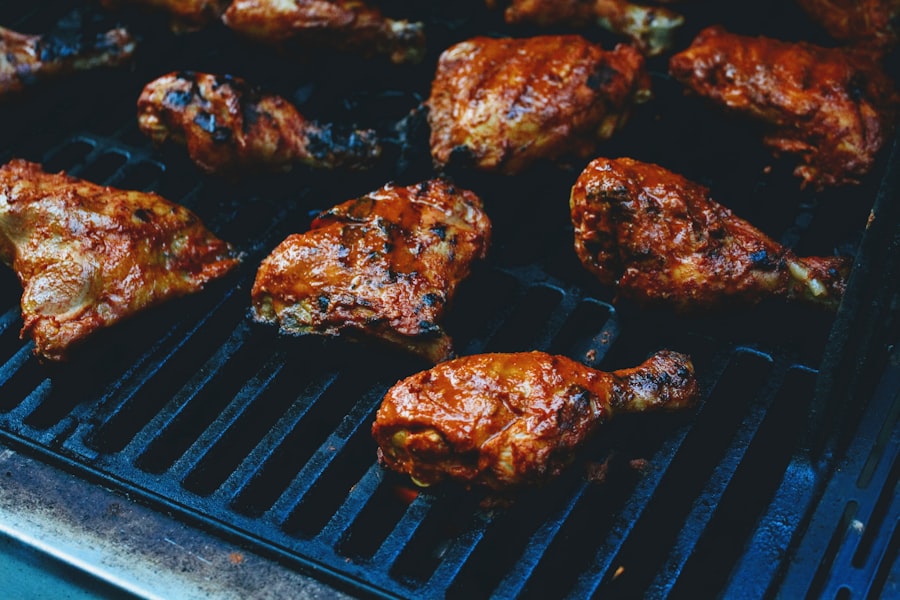
For those looking to maintain a healthier lifestyle while still enjoying delicious meals, there are several cooking options that can help you achieve this goal without sacrificing flavour. Baking or grilling chicken instead of frying significantly reduces fat content while still allowing for tasty results. Using marinades made from wholesome ingredients like citrus juices or herbs can add flavour without unnecessary calories.
Another healthy option is to incorporate more vegetables into your chicken dishes. Stir-frying chicken with an array of colourful vegetables not only boosts nutritional value but also adds texture and flavour to your meal. Additionally, consider using whole grains like quinoa or brown rice as a base for your chicken dishes instead of refined grains.
These small changes can make a significant difference in creating healthier meals that are still satisfying and enjoyable.
Pairing Chicken Dishes with Sides and Sauces
Pairing your chicken dishes with complementary sides and sauces can elevate your meal from good to great. For instance, roasted vegetables such as carrots, Brussels sprouts, or sweet potatoes make excellent accompaniments to roasted or grilled chicken. Their natural sweetness balances out savoury flavours beautifully while providing essential nutrients.
When it comes to sauces, consider options like chimichurri or tzatziki for grilled chicken dishes; these fresh sauces add brightness and depth without overwhelming the palate. A rich mushroom sauce can enhance roasted or pan-seared chicken beautifully, while a tangy barbecue sauce works wonders with fried or grilled options. The right pairing not only enhances the overall dining experience but also allows you to explore new flavour combinations that keep your meals exciting.
Storing and Reheating Chicken Leftovers
Properly storing and reheating chicken leftovers is essential for maintaining both safety and quality. After cooking, allow your chicken to cool down before transferring it to an airtight container. It’s best to refrigerate leftovers within two hours of cooking to prevent bacterial growth.
Cooked chicken can typically be stored in the fridge for up to three days or frozen for longer-term storage. When it comes time to reheat your leftovers, aim for gentle methods that preserve moisture. Using an oven set at a low temperature can help warm up your chicken without drying it out; covering it with foil can also help retain moisture during reheating.
Alternatively, using a microwave on medium power can work well if you’re short on time—just be sure to cover the dish to prevent splattering and ensure even heating. By following these storage and reheating tips, you can enjoy delicious chicken meals long after they’ve been cooked without compromising on taste or safety.
FAQs
What are the safest internal temperatures for cooking chicken?
The safest internal temperature for cooked chicken is 75°C (165°F). This ensures that harmful bacteria such as Salmonella are destroyed, making the chicken safe to eat.
How can I tell if chicken is properly cooked?
Properly cooked chicken should have no pink meat and the juices should run clear. Using a meat thermometer to check that the internal temperature has reached 75°C (165°F) is the most reliable method.
What are some common methods for cooking chicken?
Common methods include roasting, grilling, frying, baking, poaching, and slow cooking. Each method offers different textures and flavours, allowing for a variety of recipes.
Is it necessary to marinate chicken before cooking?
Marinating chicken is not essential but can enhance flavour and tenderness. Acidic ingredients like lemon juice or vinegar in marinades help break down proteins, improving texture.
How long should chicken be marinated?
Marinating times vary depending on the recipe and marinade ingredients but typically range from 30 minutes to 24 hours. Over-marinating, especially in acidic marinades, can make the meat mushy.
Can I cook chicken from frozen?
Yes, chicken can be cooked from frozen, but it will take approximately 50% longer than cooking thawed chicken. It is important to ensure the chicken reaches the safe internal temperature of 75°C (165°F).
What are some tips for keeping chicken moist and tender?
To keep chicken moist, avoid overcooking, use marinades or brines, cook at appropriate temperatures, and allow the meat to rest after cooking to redistribute juices.
How should cooked chicken be stored?
Cooked chicken should be cooled promptly and stored in an airtight container in the refrigerator. It is best consumed within 2-3 days or frozen for longer storage.
Are there any common mistakes to avoid when cooking chicken?
Common mistakes include undercooking, overcooking, not seasoning properly, and cross-contamination with raw chicken juices. Using a meat thermometer and practising good hygiene can prevent these issues.
What cuts of chicken are best for different recipes?
Breast meat is lean and cooks quickly, ideal for grilling or sautéing. Thighs and drumsticks are fattier and more flavourful, suitable for slow cooking or roasting. Wings are popular for frying or barbecuing.